Vintage Starter Jackets Value 2026: Resale Price Guide
By the Numbers
Store ratings checked Sep 27, 2026. How we count
Reading time: 18 minutes
Ninety-nineties nostalgia hit a new peak in 2026, and vintage Starter jackets are riding that wave harder than just about any other piece of sportswear from the decade. If you grew up in the early 90s, you remember exactly what a Starter jacket meant. It was the jacket. The one hanging in every middle school hallway, slung over every bleacher seat, zipped up on every street corner from New York to Los Angeles. These satin pullover and full-zip jackets didn’t just represent a sports team, they represented status, style, and an entire era of American fashion that the current generation is absolutely obsessed with reclaiming.
Here’s the thing resellers need to understand: the vintage Starter jacket market has exploded. A jacket that was sitting in a Salvation Army bin for $4.99 five years ago is now regularly selling for $80 to $250 or more on eBay, Depop, and Grailed. The right team, the right style, the right condition, you’re looking at one of the highest-ROI flips in the entire vintage sportswear category. Collectors, fashion enthusiasts, and 90s kids with adult money are all competing for these jackets, and supply at thrift stores is getting thinner every year as more resellers catch on.
This guide covers everything you need to know to find, identify, price, and sell vintage Starter jackets in 2026. We’re talking specific team values, style breakdowns, authentication tips, and real market data so you can walk into any thrift store and know exactly which Starter jackets to grab and which to leave on the rack.
The Rise of Starter: A Brief History
Understanding Starter’s history isn’t just trivia, it directly impacts how you date jackets, verify authenticity, and determine value. The timeline of the company tells you what’s real, what’s rare, and what’s a modern reissue pretending to be vintage.
David Beckerman founded Starter in 1971 in New Haven, Connecticut. The brand started small, making athletic apparel and warm-up gear, but Beckerman had an idea that would change sports fashion forever: he wanted to license official logos from every major professional sports league and put them on consumer apparel. At the time, this was borderline revolutionary. Before Starter, if you wanted to wear your team’s logo, your options were limited to cheap screen-printed tees and a few officially licensed caps. Beckerman changed the game by negotiating licensing agreements with the NFL, NBA, MLB, and NHL, eventually becoming the first brand to hold licenses with all four major leagues simultaneously.
The real explosion happened in the mid-to-late 1980s. Starter’s satin jackets became the must-have item in urban fashion, hip-hop culture, and suburban America all at once. By 1989, Starter jackets were everywhere. The brand was doing over $200 million in annual sales. Celebrities wore them. Athletes wore them off the field. MTV practically served as a free advertising platform. The combination of bold team colors, shiny satin fabric, and oversized logos created a look that was unmistakable and irresistible.
The cultural impact of Starter jackets also had a darker side that’s worth acknowledging. In the early 1990s, particularly in major cities, Starter jackets became targets for theft and, in some tragic cases, violence. The jackets were so desirable and so clearly identifiable that they became symbols of the complex intersection of fashion, status, and economic inequality. News outlets ran stories about jacket-related crimes, which paradoxically only increased the brand’s cachet and cultural significance. This period is a sensitive but important part of understanding why these jackets hold such deep cultural resonance today.
By the mid-1990s, Starter’s dominance began to fade. Nike, Champion, and newer brands started eating into their market share. Fashion trends shifted. The company struggled financially throughout the late 90s and ultimately filed for bankruptcy in 1999. The brand has been revived multiple times since then, it was acquired by various parent companies and you can still buy new Starter products at Walmart and other retailers today. But for collectors and resellers, there’s a hard line between vintage Starter (pre-bankruptcy, roughly 1985-1998) and modern Starter (post-2000 reissues). The vintage pieces are where all the value lives.
Types of Vintage Starter Jackets
Not all Starter jackets are created equal. The style and construction of the jacket has a huge impact on resale value. Here’s what you’ll encounter and what each type is worth in the current market.
Satin Starter Jackets (Full-Zip)
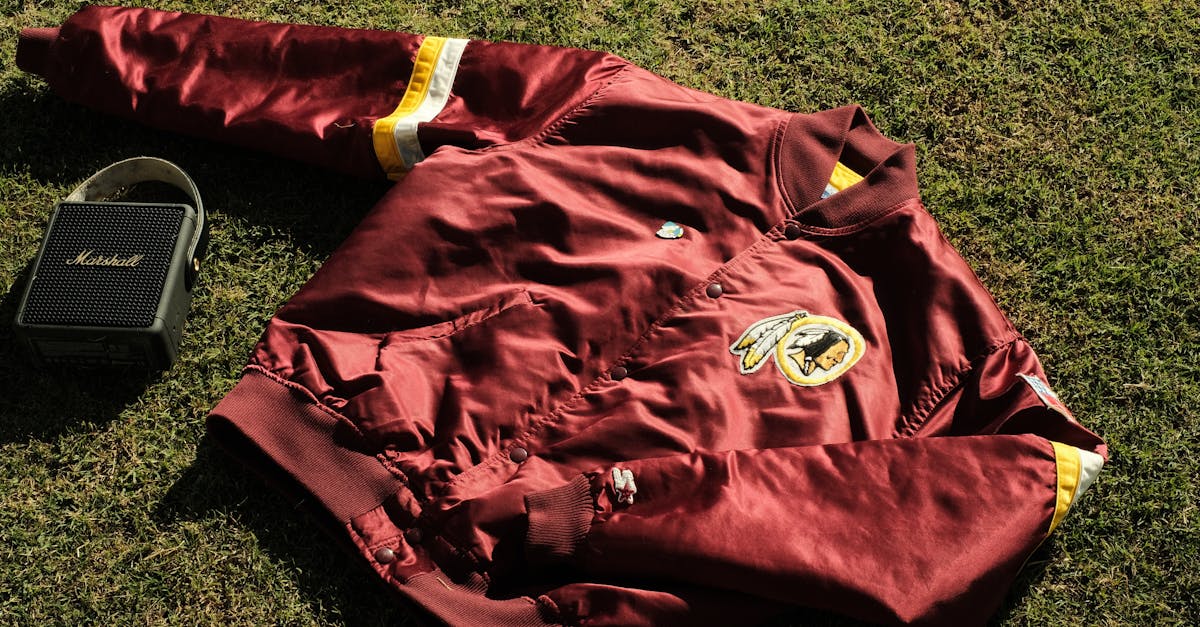
This is the classic. When someone says “Starter jacket,” this is probably what flashes in your mind. A shiny satin exterior in the team’s primary color, quilted nylon lining, full-zip front with a snap-over storm flap, team logo embroidered or screen-printed on the left chest, and the team name arched across the back in large block letters. These jackets typically have elastic cuffs and waistband, two front welt pockets, and an interior pocket. The Starter logo appears on the right chest, and many versions have the league logo (NFL shield, NBA logo, etc.) on the opposite sleeve from the Starter star logo.
The full-zip satin is the most common Starter jacket you’ll find at thrift stores, which means the market is a bit more saturated than some other styles. That said, demand remains incredibly strong. General values for full-zip satin Starter jackets in 2026 range from $40 to $200 or more, depending heavily on team, condition, and size. A common-team jacket in rough shape might only bring $30-$50, while a sought-after team in like-new condition can push past $200 with the right buyer.
Half-Zip Pullover (Breakaway)
This is where the real money often lives. The Starter half-zip pullover, sometimes called the “Breakaway” jacket, features a quarter-to-half-zip front, a kangaroo pouch pocket, and often has snap-away side panels that let you pull the jacket on and off easily. The design is more of an anorak or windbreaker style, and the colorblocking on these pullovers tends to be bolder and more eye-catching than the full-zip versions.
Pullover Starter jackets are extremely collectible right now. The streetwear community loves them because they layer well over hoodies and have a more fashion-forward silhouette than the boxy full-zip. Values for half-zip pullovers run from $50 to $250 or more, and they consistently sell for a premium over full-zip satin jackets of the same team. If you find a pullover Starter at a thrift store, grab it every single time, these are almost always a profitable flip.
Starter Pro Line
Starter’s “Pro Line” designation indicated a higher-quality construction tier. Pro Line jackets used heavier materials, better embroidery, and more elaborate designs. They often featured multi-color embroidered logos rather than screen printing, and the satin and lining felt noticeably more substantial. You can identify Pro Line jackets by the “Pro Line” text on the interior label and sometimes on exterior tags.
Pro Line jackets are generally more valuable than standard-line Starter jackets. Collectors know the difference and will pay a premium for the upgraded quality. Values typically range from $60 to $200, and for desirable teams in great condition, they can exceed that. When listing, always note “Pro Line” in the title, it’s a keyword that experienced buyers specifically search for.
Starter Puffer and Winter Jackets
Starter also made heavier winter jackets, including insulated puffers, hooded parkas, and wool-blend varsity-style jackets. These are bulkier, warmer, and less “iconic” than the satin styles, but they absolutely have a market. The puffer jackets in particular have gained traction as the oversized puffer trend continues in streetwear.
Values for Starter winter jackets run from $30 to $150. They’re less consistently valuable than satin jackets, but the right team in the right condition can still be a strong flip. Wool varsity jackets with leather sleeves, if you find one with a Starter label, can push higher depending on the team. These are less common finds at thrift stores, which works in your favor when you do spot one.
Starter Snapback Hats and Accessories
While this guide focuses on jackets, Vintage Starter accessories are also collectible and worth grabbing when you see them. Starter snapback hats, particularly the ones with the script “Starter” logo across the front or the bold team logos, sell for $20 to $80 depending on team and condition. Vintage Starter duffle bags, scarves, and other accessories have smaller but real markets. Don’t walk past a vintage Starter snapback at a thrift store, at $1-$3, it’s an easy pickup with solid return potential.
Which Teams Are Most Valuable?
This is the section that will make you money. Not all teams are created equal in the Starter jacket market. The combination of team popularity, 90s success, color scheme, and cultural significance creates a clear hierarchy of value. Here’s the breakdown by league.
NFL Starter Jackets (The Big Market)
The NFL is the single largest market for vintage Starter jackets. Football was the dominant sport during Starter’s peak years, and NFL team jackets were produced in the highest quantities. That means there’s both the most supply AND the most demand. Here are the key teams and their current value ranges:
| Team | Value Range | Notes |
|---|---|---|
| Dallas Cowboys | $60–$200 | The 90s dynasty. Triple Super Bowl winners in '92, '93, '95. Blue and silver satin is iconic. Huge demand. |
| Oakland/Las Vegas Raiders | $60–$200+ | Transcends football. Raiders gear became a cultural icon in hip-hop and streetwear. Silver and black is timeless. Among the most valuable NFL Starters. |
| San Francisco 49ers | $50–$180 | Montana/Young era nostalgia. Red and gold is immediately recognizable. Strong West Coast collector market. |
| Chicago Bears | $50–$175 | Large fanbase plus the navy/orange color combo looks great. 1985 Super Bowl nostalgia still drives demand. |
| Buffalo Bills | $50–$175 | This is a sleeper that many resellers miss. The Bills went to four consecutive Super Bowls from 1991-1994, the absolute heart of the Starter era. Red and blue Bills jackets from this period are highly sought after. |
| Pittsburgh Steelers | $45–$150 | Massive, loyal fanbase means consistent demand. Black and gold is classic. |
| Green Bay Packers | $40–$150 | Favre era (mid-90s) jackets are the ones collectors want. 1996 Super Bowl win timing is perfect for peak Starter production. |
| Miami Dolphins | $40–$140 | Teal/aqua colorway is trending hard. The old Dolphins logo with the sunburnt dolphin wearing a helmet is beloved. |
| Tampa Bay Buccaneers (Creamsicle) | $80–$250+ | This is a grail. The original Bucs creamsicle orange with the winking pirate Bucco Bruce logo is rare, cult-followed, and expensive. If you find one, you’ve struck gold. |
| Philadelphia Eagles | $40–$150 | Kelly green Eagles jackets (pre-midnight green rebrand) carry a premium due to scarcity. |
| New York Giants | $40–$130 | Large market, consistent demand, but blue jackets are common across many teams. |
| Denver Broncos | $40–$130 | Elway era. Orange and blue stands out on the rack. |
| Minnesota Vikings | $35–$120 | Purple is a great colorway for collectors. Solid mid-tier value. |
| Seattle Seahawks (Old Logo) | $45–$150 | The original silver/blue/green logo before the 2002 rebrand is collectible as a retro design. |
| New England Patriots | $40–$140 | The old “Pat Patriot” logo versions are significantly more valuable than the later Flying Elvis design. |
| Kansas City Chiefs | $35–$120 | Growing demand as the franchise’s recent success sparks interest in vintage gear. |
| Other Teams | $25–$100 | Most other NFL teams fall in this range. Even common teams in great condition with the right size can hit $80+. |
The general rule for NFL Starters: teams that won or competed for Super Bowls during the 1990-1996 window command the highest prices because that’s when Starter production was at its peak and the most fans were buying. Defunct or relocated teams, like the Houston Oilers (now Tennessee Titans) or the old St. Louis/LA Rams, also carry premiums due to scarcity in the original market.
NBA Starter Jackets
NBA Starter jackets are arguably the hottest segment of the market right now. Basketball culture and 90s NBA nostalgia are massive drivers, and many NBA Starter jackets feature the boldest, most colorful designs in the entire Starter catalog.
| Team | Value Range | Notes |
|---|---|---|
| Charlotte Hornets | $80–$250+ | THE grail of NBA Starter jackets. The teal and purple colorway is legendary. Hornets jackets regularly sell for $150+ in good condition. Pull-up style can hit $300+. |
| Chicago Bulls | $60–$200 | Jordan era. Red and black is classic but also very common, which tempers prices slightly. Still, a clean Bulls Starter moves fast. |
| Orlando Magic | $60–$200 | Shaq and Penny Hardaway era. The pinstripe design and bold black/blue colorway are extremely popular with collectors. |
| Vancouver Grizzlies | $80–$200+ | Short-lived team in their original market (1995-2001) means fewer jackets were produced and sold. The original teal grizzly logo is a collector favorite. Rarity drives the premium. |
| Toronto Raptors (Original Logo) | $70–$200 | The original Jurassic Park-inspired purple dinosaur logo is pure 90s. Extremely collectible. Post-rebrand designs are worth much less. |
| Phoenix Suns | $50–$175 | The early 90s purple and orange “Sunburst” era designs are fantastic. Charles Barkley era = peak Starter. |
| Sacramento Kings | $40–$150 | Underrated in the Starter market. The purple and black colorway has a dedicated collector base. |
| Detroit Pistons (Teal Era) | $50–$160 | The brief teal-and-red Pistons rebrand of the mid-90s is weirdly collectible because it was so short-lived and so “of its era.” |
| Milwaukee Bucks (Purple Deer) | $45–$150 | The 90s purple and green deer logo is more valuable than you’d expect. Another case of a retro logo driving collector interest. |
| Golden State Warriors | $40–$130 | The old “Thunder” lightning bolt era logo jackets are the ones with value. |
| New York Knicks | $45–$140 | Large market, classic blue and orange. Patrick Ewing era nostalgia is real. |
| Seattle SuperSonics | $60–$180 | Defunct team premium. The green and gold SuperSonics Starter jackets are highly sought after since the team relocated to Oklahoma City. |
| Miami Heat | $40–$130 | Black and red, clean design. Solid mid-tier demand. |
| Los Angeles Lakers | $50–$160 | Purple and gold is always in style. Large collector base. |
| San Antonio Spurs | $35–$110 | The fiesta colors era Spurs jackets are more valuable than the standard black and silver. |
| Other NBA Teams | $30–$120 | The NBA market has a higher floor than NFL for most teams because of the 90s basketball aesthetic trending in streetwear. |
The Charlotte Hornets deserve special emphasis. If you find a vintage Starter Hornets jacket at a thrift store, buy it immediately regardless of condition. Even beat-up Hornets Starters sell for $60-$80, and clean ones regularly break $150. The teal and purple colorway is considered one of the best-looking designs in sports fashion history, and demand has been relentless for years.
MLB Starter Jackets
MLB Starter jackets are generally the least valuable of the four major sports, but there’s still solid money to be made with the right teams. Baseball jackets tend to have simpler designs, often just a clean satin shell with a chest logo and back script, which makes them appealing to a different collector demographic that prefers a cleaner, less flashy look.
| Team | Value Range | Notes |
|---|---|---|
| New York Yankees | $50–$150 | Pinstripes translate to satin surprisingly well. The interlocking NY is timeless. |
| Atlanta Braves | $40–$140 | The Braves dominated the 90s NL and their jackets reflect peak Starter era. |
| Toronto Blue Jays | $50–$160 | Back-to-back World Series wins in 1992 and 1993 put the Blue Jays right at Starter’s peak. The old logo with the split blue jay is very collectible. |
| Florida Marlins (Original) | $45–$140 | Expansion team from 1993 with a teal colorway. The original Marlins teal and black is sought after. |
| Colorado Rockies | $40–$120 | Another 1993 expansion team. Purple and black looks great. |
| Chicago White Sox | $40–$130 | Black and white clean design. Strong streetwear crossover appeal. |
| Oakland A’s | $35–$120 | Kelly green and gold is a standout colorway. |
| Other MLB Teams | $25–$100 | Most MLB Starters sit in this range. Condition and size matter a lot for pushing above $80. |
NHL Starter Jackets
The NHL Starter jacket market is the fastest-growing segment in 2026. Hockey aesthetics have been trending hard in streetwear, the bold logos, aggressive color schemes, and era-specific designs from the early 90s NHL expansion are finding a huge new audience.
| Team | Value Range | Notes |
|---|---|---|
| San Jose Sharks | $60–$200 | The original teal triangle shark logo is one of the best sports logos ever designed, full stop. These jackets are stunning and highly collectible. |
| Mighty Ducks of Anaheim | $60–$200 | The movie tie-in, the teal and purple, the duck mask logo, it’s pure 90s magic. |
| Hartford Whalers | $70–$200+ | Defunct team (now Carolina Hurricanes). The Whalers logo is considered one of the greatest in sports history. Scarcity plus design equals premium. |
| Vancouver Canucks (Skate Logo) | $45–$150 | The old flying skate logo era is more collectible than the orca. |
| Tampa Bay Lightning | $40–$130 | The original logo in an era-appropriate design. |
| Quebec Nordiques | $60–$180 | Defunct team (now Colorado Avalanche). French Canadian hockey nostalgia is strong. |
| Chicago Blackhawks | $50–$160 | Classic logo, massive fanbase. |
| Detroit Red Wings | $40–$130 | Winged wheel on satin looks clean. |
| Other NHL Teams | $30–$120 | The NHL market is still maturing, which means there are deals to be found. |
College and NCAA Starter Jackets
Starter licensed heavily with major college programs in the late 80s and 90s. These jackets have a solid but somewhat smaller market than pro sports.
| School | Value Range | Notes |
|---|---|---|
| Michigan Wolverines | $40–$130 | Maize and blue is a classic look. Huge alumni base. |
| Notre Dame Fighting Irish | $40–$130 | Navy and gold, massive following. |
| Miami Hurricanes | $50–$150 | “The U” at its peak. Cultural significance beyond football. |
| Florida State Seminoles | $35–$120 | Garnet and gold, strong 90s football program. |
| Penn State Nittany Lions | $30–$100 | Clean navy and white design. |
| Other Schools | $25–$100 | Regional demand matters a lot for college jackets. A local team jacket sells better in its home market. |
College Starter jackets work especially well when sold to alumni. Consider targeting listings toward homecoming and bowl game seasons for maximum visibility.
What Makes a Starter Jacket More Valuable?
Beyond team and style, several factors can push a Starter jacket from a modest $40 sale into the $150-$250 range. Understanding these value drivers helps you both source smarter and price more accurately.
Team Market and Nostalgia Factor
This is the single biggest value driver. A jacket from a team that had a massive cultural moment during the Starter era will always command a premium. The Dallas Cowboys’ dynasty, Michael Jordan’s Bulls, the Charlotte Hornets’ cultural explosion, these aren’t just sports moments, they’re pop culture touchstones. And when a team no longer exists in its original form, the Hartford Whalers, Vancouver Grizzlies, Seattle SuperSonics, scarcity enters the equation. No more jackets are being produced with those logos on them, which creates a finite supply against growing demand.
Style and Color
Color is an enormous factor in Starter jacket values. The “teal era” of early 90s sports expansion created some of the most visually striking designs in the history of sports apparel. Teams like the Charlotte Hornets, San Jose Sharks, Florida Marlins, and Jacksonville Jaguars embraced teal, purple, and other bold colors that look incredible on satin. These colorways are highly sought after by both vintage collectors and fashion-focused buyers who want pieces that stand out.
On the other end of the spectrum, plain black jackets are by far the most common Starter jackets and typically sell for less. This doesn’t mean black jackets are worthless, a black Raiders or Bulls Starter still has strong value, but if you’re comparing two jackets from the same team and one is black and one is the primary team color, the colorful version almost always sells higher.
Unique or limited colorway variations also command premiums. Some Starter jackets featured alternate color schemes, special edition designs, or All-Star Game branding that makes them rarer and more desirable.
Size
This catches a lot of new resellers off guard, but size has a significant impact on vintage Starter jacket values. The current fashion trend favors oversized fits, and the primary buying demographic for vintage Starter jackets skews toward men in their late 20s to 40s. That means XL and XXL are the most sought-after sizes and consistently sell for the highest prices.
Large sizes sell well too, but once you get down to Medium and especially Small, you’re looking at a 20-30% drop in selling price compared to the same jacket in XL. This doesn’t mean you should skip smaller sizes at the thrift store, the margins can still be excellent when you’re buying at $5-$10, but it should inform your pricing expectations. Women’s and youth sizes have a more limited market but can still sell, particularly if styled and marketed toward the current oversized/vintage fashion aesthetic.
Condition
Satin is a demanding fabric. It shows wear, stains, and damage more obviously than cotton or denim, which makes condition a critical factor in Starter jacket pricing. A jacket in truly mint condition, no stains, no pulls in the satin, crisp embroidery, functional zipper, intact elastic, can sell for two to three times what the same jacket in average condition brings.
Here’s what to check when evaluating condition:
- Stains: Satin stains are very difficult to remove. Check collar, cuffs, front placket, and underarms. Small stains can be noted in the listing and still sell, but large or prominent stains seriously impact value.
- Satin pulls and snags: The smooth satin surface is prone to pulls that create a roughened texture. Check the entire surface in good lighting.
- Zipper function: Full-zip jackets with broken or sticky zippers lose significant value. Test every zipper before buying.
- Snap condition: Pullover/breakaway styles rely on snaps. Make sure they snap firmly and aren’t pulling through the fabric.
- Embroidery: Check that embroidered logos have intact stitching with no loose threads, missing sections, or pulling.
- Elastic: Cuffs and waistband elastic loses tension over time. Stretched-out elastic is common and mildly impacts value.
- Odor: Satin holds odors. Smoke smell is the most common issue. Most odors can be eliminated with proper airing and washing, but it’s worth checking before purchase.
Authenticity Tags
Original tags add value. Vintage Starter jackets should have an interior main label (usually sewn into the collar seam or side seam) with the Starter logo, size, and care instructions. Many also have a secondary tag showing the league license (NFL, NBA, MLB, or NHL) with a hologram sticker. Jackets with intact original hang tags, the cardboard tags attached at purchase, are extremely rare and command a notable premium.
How to Identify Authentic Vintage Starter Jackets
The ability to distinguish genuine vintage Starter jackets from modern reproductions and outright fakes is essential for resellers. Here’s your authentication guide.
Starter Logo Evolution: The Starter star logo has changed several times over the decades. Vintage pieces from the late 80s through mid-90s feature a specific embroidered star design. Post-bankruptcy reissues and modern Walmart-line Starter products use updated logos. Familiarize yourself with the vintage star, it’s your first line of authentication.
Interior Labels: Genuine vintage Starter jackets have specific interior label characteristics. The labels from the peak era (roughly 1988-1996) typically feature the Starter name in a specific serif font, along with size, fabric content, care instructions, and country of manufacture. The label placement is usually at the center back neck or in the left side seam.
Country of Manufacture: This is one of the most reliable dating tools:
- Made in USA or Made in Korea: These are the earliest and often most valuable Starter jackets, typically dating to the late 1980s through early 1990s. Korean-manufactured pieces are very common from this era and are absolutely authentic.
- Made in China or Made in Indonesia: Later production, typically mid-1990s onward. Still vintage, still valuable, but generally indicates later production.
- Modern Starter products are made in various countries with updated labeling that’s notably different from vintage labels.
Pro Line vs. Standard Labels: Pro Line jackets have a distinct label that says “Pro Line” or “Authentic Pro Line” and indicates the higher-quality tier. These labels are easy to spot once you’ve seen a few, and noting the Pro Line designation is important for both authentication and pricing.
League Licensing Tags: Authentic vintage Starter jackets licensed by the NFL, NBA, MLB, or NHL will have a separate licensing tag, often with a hologram sticker. The hologram design and tag format changed over the years, so the specific hologram can help date the jacket. NFL Properties, NBA Properties, MLB Properties, and NHL Enterprises each had distinct tag formats.
Spotting Fakes and Modern Reissues: The most common “fakes” in the Starter market aren’t sophisticated counterfeits, they’re modern reissues being sold as vintage. Here’s how to tell the difference:
- Modern labels use different fonts, different label materials, and often include a barcode or UPC on the interior tag.
- Modern satin has a different sheen and weight than vintage satin. Once you’ve handled a few genuine vintage pieces, you’ll feel the difference.
- Modern embroidery techniques produce a cleaner, more uniform look compared to vintage machine embroidery.
- Current-production Starter jackets often have a small “Starter” wordmark on the exterior rather than the embroidered star logo of the vintage era.
If you’re just starting out, the easiest way to build your authentication skills is to visit a Walmart or similar retailer, handle a current Starter product, and then compare it to a verified vintage piece. The differences in materials, labels, and construction become obvious quickly.
For more on dating vintage clothing by labels and tags, check out our vintage clothing labels dating guide which covers Starter and dozens of other brands in detail.
Where to Find Vintage Starter Jackets
The good news for resellers is that vintage Starter jackets are still out there. Millions of these jackets were produced during the 1990s, and plenty of them are still circulating through the secondhand market. Here’s where to look.
Thrift Stores: This is your primary hunting ground. Goodwill, Salvation Army, Savers/Value Village, and local independent thrift stores all regularly receive donated Starter jackets. You’ll typically find them in the outerwear or jacket section, hanging with other coats and windbreakers. Prices at thrift stores range from $3 to $15, with most falling in the $5-$8 range. Some thrift stores have gotten wise to vintage sportswear pricing and may tag Starter jackets higher, but even at $15, the margins on a desirable team are excellent. For a complete guide to sourcing and flipping from thrift stores, see our thrift store flipping guide.
Goodwill Outlet Bins: The bins are a next-level sourcing strategy for high-volume resellers. Starter jackets do show up at Goodwill outlets where you’re paying by the pound, typically working out to $1-$3 per jacket. Competition is real at the bins, so speed and knowledge matter. Knowing which teams and styles to grab instantly gives you a serious advantage. We cover everything you need to know in our Goodwill outlet bins guide.
Estate Sales: Estate sales, especially for estates of men who were sports fans in the 80s and 90s, regularly turn up vintage Starter jackets. You’ll sometimes find them in excellent condition because they were hanging in a closet for 25+ years. Prices at estate sales vary widely, you might pay $5 or $25 depending on the estate sale company’s knowledge. Check our estate sale buying guide for sourcing strategies.
Garage and Yard Sales: The ultimate bargain source. Most people hosting garage sales have no idea what a vintage Starter jacket is worth and will price them at $1-$5. Sports-heavy regions (the Midwest, Northeast, and South) tend to be the most productive for yard sale finds.
Facebook Marketplace: People list vintage Starter jackets on Facebook Marketplace regularly, often at below-market prices because they don’t know the current value or don’t want to deal with eBay shipping. Search “[team] Starter jacket” and set price alerts. You can also find bulk lots from people clearing out closets.
Online Vintage Lots and Bulk Buys: Some wholesale vintage dealers offer lots of assorted vintage sportswear. These are more of a gamble and require higher upfront investment, but if you can find a reputable lot dealer, you may score multiple Starter jackets at below-thrift-store prices.
How to Price Vintage Starter Jackets
Pricing vintage Starter jackets accurately is the difference between leaving money on the table and having inventory sit unsold. Here’s the system that works.
eBay Sold Listings Are Your Source of Truth: There is no better pricing tool for vintage Starter jackets than eBay’s completed/sold listings. Search for the specific team, style, and condition of your jacket using terms like “vintage [team] Starter jacket” or “90s [team] Starter pullover.” Filter to “Sold Items” to see what buyers actually paid, not what sellers are asking. This is critically important because asking prices on vintage sportswear are often wildly inflated compared to actual selling prices.
When building your search, use our eBay sold link generator to quickly create filtered searches. And for calculating your actual profit after fees and shipping, run the numbers through our flip profit calculator. For a deep dive into using sold listing data effectively, read our eBay sold listings research guide.
Factor in Condition and Size: When comparing your jacket to sold listings, make sure you’re comparing apples to apples. A mint-condition XL pullover should not be priced based on sold data for average-condition medium zip-ups. Narrow your search as much as possible, and if you can’t find exact comparables, use the closest matches and adjust up or down based on condition and size differences.
Understand Seasonal Pricing Patterns: Starter jacket prices fluctuate with sports seasons. NFL jackets sell best from August through January (football season through playoffs). NBA jackets are strong from October through June. MLB jacket demand peaks in spring and October (World Series). NHL jackets follow the hockey season from October through June. Offseason sales are still possible, vintage fashion doesn’t stop, but you’ll typically get 15-25% more during the relevant sport’s season. Plan your listing timing accordingly.
Don’t Underprice to Move Fast: One of the biggest mistakes new resellers make with vintage Starter jackets is pricing aggressively low to get quick sales. This market has enough demand that well-priced jackets will sell, you don’t need to race to the bottom. Price at or slightly above recent comparables for the first few weeks, then consider small reductions if it hasn’t moved. A Hornets pullover doesn’t need to be priced at $89 to sell when the last three sold for $140-$180.
Best Platforms for Selling Starter Jackets
Different platforms attract different buyers, and spreading your Starter jacket inventory across multiple platforms increases your reach and selling speed.
eBay: The largest audience and the best platform for high-value pieces. eBay buyers are accustomed to paying market prices for vintage sportswear, and the platform’s search functionality means your jacket will be found by active collectors. Final value fees are 13.6% plus $0.40 per order, with payment processing included, so factor that into your pricing. eBay fees verified Oct 1, 2026 (eBay Help). For jackets expected to sell above $80, eBay should be your primary platform.
Depop: Depop’s audience skews younger (Gen Z and young millennials) and is heavily into 90s sportswear as a fashion statement rather than as a sports collectible. This means Depop buyers often care more about the look and aesthetic than the specific team. Marketing your Starter jacket as a fashion piece, photographing it styled with contemporary outfits, can resonate strongly on Depop. Read our Depop selling guide for platform-specific strategies.
Grailed: If the jacket is from a particularly desirable team or in exceptional condition, Grailed is an excellent platform. The menswear and streetwear community on Grailed understands vintage sportswear value and is willing to pay for it. Grailed charges a 9% commission, making it slightly cheaper than eBay.
Mercari: Good for mid-range Starter jackets in the $40-$100 range. Mercari’s audience is broad and deal-oriented, so pricing needs to be competitive. The platform’s simplicity makes it good for quick listings.
Instagram and Facebook Vintage Groups: Direct-to-buyer sales through Instagram and Facebook vintage/sportswear groups eliminate platform fees entirely. Build a following by consistently posting quality vintage sportswear, and you’ll develop repeat buyers who check your posts first. This takes time but becomes highly profitable once established.
For a detailed breakdown of fees across platforms, see our eBay vs Poshmark vs Mercari fee calculator. You can also run exact fee calculations for any platform using our fee calculator.
Photography and Listing Tips for Starter Jackets
Vintage Starter jackets are visual items, the team colors, logos, and satin sheen need to come through clearly in your photos. Bad photos will cost you real money on these jackets.
Essential Photos: Every Starter jacket listing should include at minimum:
- Full front view showing the team logo and Starter star logo
- Full back view showing the team name/back design
- Close-up of the front embroidery/logo detail
- Interior label shot showing Starter label and size
- League licensing tag (if present)
- Close-up of any flaws, damage, or notable wear
- An overall “lifestyle” context shot if possible (styled on a mannequin or laid flat with complementary items)
Display Method: Satin jackets slide off standard wire hangers and don’t photograph well hanging. Use either a mannequin torso (best option, shows the jacket’s shape and drape), a flat-lay on a clean neutral background (good option, shows detail clearly), or a padded hanger with clips (acceptable, better than a wire hanger). Whatever you choose, make sure the jacket is smooth and wrinkle-free. A quick steam or tumble on low heat removes storage creases from satin.
Lighting: Natural daylight is your best friend for satin jackets. The fabric has a natural sheen that can either look amazing or washed out depending on lighting. Photograph near a large window with indirect light for the best results. Avoid direct flash, which creates harsh reflections on the satin surface.
Listing Titles: Your eBay or Depop listing title is critical for search visibility. Use this formula: Vintage [Decade] [Team Name] Starter [Style] Jacket [Size] [Key Feature]. For example: “Vintage 90s Charlotte Hornets Starter Pullover Jacket XL Teal Purple” or “Vintage 1990s Dallas Cowboys Starter Satin Jacket Large Pro Line.” Front-load the most important keywords, team name and “Starter” should appear early in the title.
Description Tips: In your listing description, include all relevant details: team, sport, league, era/decade, style (pullover, full-zip, puffer), size (listed size AND measured dimensions), exact condition notes, material description, and country of manufacture from the label. Mention the Starter star logo and any specific design features. For condition, be honest and thorough, experienced vintage buyers appreciate transparency and it reduces return requests.
For a complete photography guide covering equipment, angles, and editing for resale items, check our resale photography guide.
Shipping Vintage Starter Jackets
Proper packing and shipping protects your profit margin and your seller reputation. Satin is a delicate fabric that needs more care than throwing it in a poly mailer.
Packing Method: Fold the jacket neatly with the exterior facing inward to protect the satin surface during transit. Place it in a clear poly bag first to protect against moisture, then into your shipping container. For higher-value jackets ($80+), consider adding a piece of tissue paper between folds to prevent crease marks.
Shipping Container Options: For most Starter jackets, a USPS Priority Mail Medium Flat Rate Box ($24.80 retail or $21.17 at commercial rates) works perfectly and provides tracking plus insurance up to $100. If you have a postal scale, you may find that a regular Priority Mail box or even a thick poly mailer (for lighter satin jackets without heavy lining) can save a few dollars. Unlined satin jackets can weigh as little as 14-16 ounces, making USPS Ground Advantage a possibility at $6.93-$8.40 at commercial rates for anything under a pound. USPS prices from Notice 123, effective July 12, 2026.
Cost Planning: Factor $8-$12 in shipping costs into your pricing model. You can either offer free shipping (build the cost into your asking price) or charge the buyer separately. Free shipping tends to improve conversion rates on eBay and Depop, but charged shipping lets you set a lower visible price. Test both approaches and see what works for your market.
Insurance: For jackets selling above $100, consider adding insurance or using a shipping method with built-in coverage. USPS Priority Mail includes $100 of insurance. For higher-value pieces, add extra coverage through USPS or a third-party insurance provider like Shipsurance.
For a complete shipping cost comparison across all carriers, read our shipping guide for resellers.
FAQ: Vintage Starter Jacket Questions
How can I tell if a Starter jacket is from the 90s?
Check the interior label. Vintage 90s Starter jackets have specific label characteristics: a particular font style for the Starter name, “Made in Korea” or “Made in USA” for earlier pieces and “Made in China” for later 90s production, and a distinct label format that differs noticeably from modern Starter labels. The jacket should also have a league licensing tag (NFL Properties, NBA Properties, etc.) with period-appropriate hologram stickers. The satin fabric itself has a different weight and sheen compared to modern production. For a thorough breakdown of clothing label dating, see our vintage clothing labels guide.
Are modern Starter jackets worth reselling?
Generally, no. Modern Starter products (the ones currently sold at Walmart and similar retailers) retail for $30-$70 and have minimal resale value. The market specifically wants vintage 1980s and 1990s Starter jackets. Modern reissues and “throwback” lines from Starter do exist and occasionally sell at modest markups, but the margins are nowhere close to genuine vintage. Your time and capital are much better spent hunting authentic vintage pieces.
What size Starter jacket sells best?
XL and XXL are the fastest sellers and command the highest prices, driven by the current oversized fashion trend and the primary buying demographic (men in their late 20s through 40s). Large also sells well. Medium and Small sizes sell for 20-30% less on average, though they can still be profitable when sourced cheaply. Women buyers and slimmer-fit enthusiasts do seek smaller sizes, so they’re worth picking up at thrift-store prices, but adjust your pricing expectations accordingly.
How do I spot a fake vintage Starter jacket?
The most common “fakes” are actually modern Starter products being sold as vintage. Check the interior label, modern Starter labels use different fonts, materials, and layouts. Modern satin feels different (lighter, with a different sheen) and modern embroidery is more uniform. True counterfeits (knockoffs) from the 90s do exist but are relatively rare. They typically have poor-quality embroidery, misspelled team names, incorrect logo proportions, or missing league licensing tags. If the price seems too good to be true for a “mint-condition” vintage Starter on a marketplace, request detailed photos of the interior labels before purchasing.
The Bottom Line: Why Starter Jackets Are a Reseller Gold Mine
Vintage Starter jackets sit at a perfect intersection for resellers in 2026. The supply still exists at thrift stores, estate sales, and garage sales at prices between $3 and $15. The demand is strong, driven by 90s nostalgia, streetwear trends, and a generation of collectors with disposable income. The jackets are easy to identify, that satin sheen and Starter star logo are visible from across a thrift store, and they’re easy to authenticate with a quick label check.
The ROI on Starter jackets is among the best in vintage sportswear reselling. A $5 thrift store find selling for $80-$150 on eBay is a 1,500-3,000% return before fees and shipping. Even accounting for platform fees and shipping costs, you’re looking at $50-$120 in profit per jacket on popular teams. That math gets even better when you find a grail piece, a Hornets pullover at $7 selling for $200+ is the kind of flip that fuels an entire week’s sourcing runs.
The 90s nostalgia trend shows no signs of slowing down. If anything, it’s accelerating as millennials enter their peak earning and spending years and Gen Z continues to embrace retro aesthetics. The market for vintage Starter jackets has grown consistently for the past five years, and the trajectory points to continued growth through 2026 and beyond.
Whether you’re a full-time reseller looking to add a profitable category or a casual flipper who wants to know what to grab when you see it at Goodwill, vintage Starter jackets deserve a spot in your sourcing strategy. Learn the teams, learn the styles, learn the labels, and start flipping.
Use our eBay sold link generator to research current Starter jacket prices, run the margins through our flip profit calculator, and compare selling fees across platforms with our fee calculator. The tools are free, and the knowledge will pay for itself the first time you pull a Charlotte Hornets pullover off a thrift store rack.
For related reading, explore our guides on Y2K fashion reselling, vintage clothing labels, and selling vintage clothing online to build out your full vintage fashion reselling knowledge base.
Related articles
vintage clothing flipping guide
Vintage clothing flips for $20-300 per piece. Master era dating (60s-90s), brand recognition (band tees, sportswear), condition grading, and sourcing at thrift stores and estate sales.
finding designer clothes at thrift stores
Finding luxury brands at Goodwill or Salvation Army is like finding at treasure map. Here are the tips I use to spot designer labels in a sea of fast fashion.
Goodwill finds worth serious money
Goodwill and thrift store finds guide with jackets, cookware, electronics, and buy-price math so you can spot the real flips faster.
Tools that help with this topic
Starter jacket sold comps on eBay
Build source-backed sold-comp research links for eBay Advanced Search, eBay Product Research, Mercari, and Poshmark, plus a 7-comp pricing worksheet.
vintage streetwear brand resale values
Turn exact clothing-brand sold comps, active listings, fees, shipping, and target profit into a transparent reseller buy ceiling without invented brand scores.
profit calculator for vintage jacket flips
Calculate net profit, ROI, margin, break-even price, and target sale price after marketplace fees, shipping, reserves, and labor. Free calculator included.