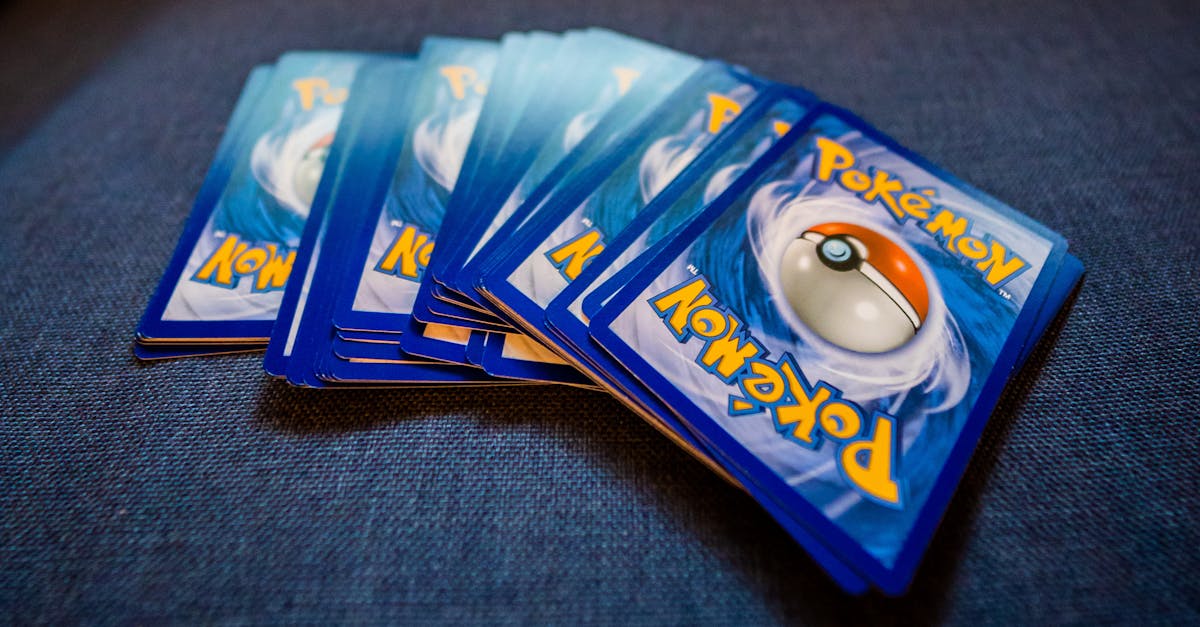
Selling Pokémon Cards on Whatnot: The Ultimate Guide to Live Card Sales in 2026
Pokémon cards are the single most-sold category on Whatnot. In 2026, the platform processes tens of millions of dollars in Pokémon card transactions every month—from $1 bulk commons to $10,000+ vintage holos. For resellers who understand the format, Whatnot’s live auction model creates a selling environment where cards regularly exceed their TCGPlayer or eBay market values, driven by competitive bidding, community loyalty, and entertainment value.
But selling Pokémon cards on Whatnot isn’t as simple as turning on a camera and holding up cards. The most successful sellers operate like media companies: they plan show formats, build loyal audiences, authenticate inventory, and ship hundreds of orders per week with precision. This guide is a complete playbook for selling Pokémon cards on Whatnot in 2026—whether you’re a longtime collector monetizing your hobby or a reseller adding live selling to your business.
Table of Contents
- Why Pokémon Cards Dominate Whatnot
- Types of Pokémon Shows That Work
- How to Source Pokémon Cards for Whatnot
- Pricing Strategy: Starting Bids, BIN Pricing & Market Research
- Authentication and Grading: PSA, CGC & BGS
- Camera, Lighting & Tech Setup for Card Shows
- How to Run Pack Breaks Safely and Transparently
- Building a Pokémon Community on Whatnot
- Shipping Pokémon Cards Safely
- Common Mistakes Pokémon Sellers Make
- Revenue Expectations: Realistic Numbers
- 2026 Pokémon Market Trends
- Legal Considerations for Pack Breaks
- Cross-Platform Strategy: Whatnot + eBay + TCGPlayer
- FAQ
Why Pokémon Cards Dominate Whatnot
Pokémon cards were Whatnot’s founding category. The platform launched in 2019 primarily as a marketplace for trading cards, and Pokémon quickly became the largest segment. In 2026, Pokémon remains the platform’s top-grossing category, accounting for an estimated 20-25% of total GMV (Gross Merchandise Value).
The Numbers
| Metric | Estimated 2026 Data |
|---|---|
| Monthly Pokémon GMV on Whatnot | $80-$120 million |
| Active Pokémon sellers | 15,000+ |
| Average Pokémon show concurrent viewers | 20-150 (varies by seller size) |
| Top Pokémon sellers monthly revenue | $50,000-$200,000+ |
| Average auction price (raw singles) | $8-$25 |
| Average auction price (graded cards) | $35-$150 |
Why the Format Works for Pokémon
Pokémon cards are uniquely suited to Whatnot’s live format:
- Visual excitement — Holographic cards, full-art cards, and chase pulls create “wow moments” on camera that drive engagement
- Collectibility — Buyers are hunting specific cards to complete sets, which creates urgency when a needed card appears
- Price variability — Card values range from $0.25 to $25,000+, making both low-ticket and high-ticket shows viable
- Pack break entertainment — Opening sealed product live is inherently entertaining, combining gambling-like excitement with collecting
- Community — Pokémon collectors are passionate, social, and willing to spend hours watching shows
- Nostalgia factor — Millennials and Gen Z grew up with Pokémon, creating a massive buyer pool with emotional connections to the cards
For a broader view of what sells well on the platform, see Best Items to Sell on Whatnot.
Types of Pokémon Shows That Work
Not all Pokémon shows are created equal. The format you choose determines your audience, profit margins, and operational complexity. Here are the show types that consistently perform well in 2026.
1. Singles Auctions (The Bread and Butter)
Present individual cards one at a time, starting at a low bid ($1-$5). Best for raw singles, mid-value cards ($5-$100). Plan 50-150 cards per show over 2-4 hours. Start with lower-value cards to build the room, save the best for the second half. Profit margins: 40-70% on well-sourced inventory.
2. Pack Breaks / Pack Rips
Open sealed packs on camera. Formats include personal breaks (buyer picks packs, keeps everything), pick-your-slot breaks (buyers purchase Pokémon types, hits distributed accordingly), and random breaks (randomly assigned pulls). Best for entertainment-driven shows and audience growth. Profit margins: 20-40% (lower margins, higher volume).
3. Graded Card Auctions
Auction PSA, CGC, or BGS graded slabs. Feature 20-50 graded cards per show, warming up with lower-value slabs and building to 3-5 “hero cards” (PSA 10s, vintage holos). Profit margins: 30-60%.
4. Mystery Boxes / Lot Sales
Curate themed lots (“50 Holos for $15,” “Vintage WOTC Mystery Pack”). Great for moving bulk inventory with high excitement. Be transparent about minimum guaranteed value. Profit margins: 50-80%.
5. Sealed Product Sales
Sell sealed booster boxes, ETBs, tins, and collections at auction or BIN pricing. Tightest margins (15-30%) but highest per-transaction revenue.
For more on show format strategy, see Whatnot Live Selling Strategies and our upcoming guide on Whatnot show formats and auction ideas.
How to Source Pokémon Cards for Whatnot
Sourcing is where your profitability is determined. The sellers who thrive on Whatnot are the ones who find inventory below market value consistently.
Sourcing Channels
1. Authorized Distributors
- Purchase sealed product at distributor pricing (typically 55-65% of MSRP)
- Requires a business license and tax ID
- Best for sealed product and pack break shows
- Major distributors: GTS Distribution, Southern Hobby, Alliance Game Distributors
- Allocation can be limited for hot sets — build relationships
2. Bulk Lots (eBay, Mercari, Facebook)
- Buy bulk collections at $0.02-$0.10 per card, cherry-pick valuable cards, sell the rest in lots
- Search for “pokemon card collection” on eBay with filters for auctions ending soon
- Facebook local marketplace is a goldmine — parents selling their kids’ old collections
3. Local Card Shops (LCS)
- Build relationships with LCS owners — they often have bulk bins, damaged cards, and overstock at discount
- Some shops will sell you their buyouts (collections they’ve purchased) at wholesale
- Offer to buy their “junk” — cards they can’t sell in-store but have value online
4. Collections from Individual Sellers
- Post “Buying Pokémon card collections” in local Facebook groups
- Offer fair (but below market) prices for bulk collections
- This is the highest-margin sourcing method but requires time and knowledge
5. Garage Sales, Estate Sales, Thrift Stores
- Highly variable, but occasional massive finds
- Best during spring/summer garage sale season
- Look for binders and boxes — not individual packs (retail arbitrage on packs is nearly dead)
6. Other Whatnot Sellers
- Buy underpriced lots from other Whatnot shows, resell the best cards individually
- This is called “flipping the flip” — works for knowledgeable sellers who can spot undervalued cards in real-time
7. TCGPlayer Buylist Arbitrage
- Buylist prices occasionally create arbitrage opportunities where you can buy on TCGPlayer and sell on Whatnot at a premium
Source smarter with data: Underpriced uses AI to analyze deals in real-time, telling you instantly whether a lot, collection, or bundle is worth buying based on current market values. Stop overpaying for inventory.
For a deep dive on sourcing across categories, check out our upcoming guide on sourcing inventory for Whatnot live shows.
Pricing Strategy: Starting Bids, BIN Pricing & Market Research
Pricing Pokémon cards for live auctions is fundamentally different from pricing on eBay or TCGPlayer. The live format creates dynamics that reward specific pricing strategies.
The $1 Start Strategy
Many successful Whatnot Pokémon sellers start every auction at $1, regardless of the card’s market value. This works because:
- It drives engagement — buyers are more likely to bid when the starting price feels like a deal
- It creates competition — multiple $1 bids escalate quickly to market value (and sometimes beyond)
- It fills the room — low starting bids attract more viewers who might stay for other items
- It builds trust — buyers see you’re confident enough in your inventory to let the market decide
When the $1 start works best:
- You have 50+ concurrent viewers
- The card has broad appeal (popular Pokémon, high-grade, etc.)
- Your audience trusts your authenticity and grading
When to use higher starting bids:
- You have fewer than 20 viewers (the math doesn’t work with a small room)
- The card is niche (only a few collectors want it)
- The card’s minimum acceptable price is $20+ and you can’t afford to let it go for $5
Market Research Before Going Live
Tools for pricing Pokémon cards:
| Tool | Best For | Cost |
|---|---|---|
| TCGPlayer Market Price | Real-time singles pricing | Free |
| eBay Sold Listings | Actual transaction prices | Free |
| PSA Pop Report | Graded card scarcity | Free |
| PriceCharting.com | Historical price trends | Free |
| 130point.com | eBay sold data aggregation | Free |
| Whatnot sold history | Platform-specific pricing | Free (browse recent shows) |
Pre-show pricing workflow:
- Pull your show inventory
- Check TCGPlayer market price for each card
- Cross-reference with eBay sold listings (last 30 days)
- Note the lowest price you’d accept for each card
- Set starting bids accordingly (usually 10-30% of market for auctions)
BIN (Buy It Now) Strategy
BIN listings work well for:
- Graded cards where the price is well-established (PSA 10 Charizard = specific price)
- Sealed product at known market rates
- Commodity cards that always sell at a predictable price
Price BIN items at 5-10% below TCGPlayer/eBay market — Whatnot buyers expect a slight discount for the platform.
Use the Flip Profit Calculator and Whatnot Fee Calculator to ensure your BIN prices leave enough margin after Whatnot’s seller fees.
Authentication and Grading: PSA, CGC & BGS
For Pokémon cards on Whatnot, authentication and grading are essential for high-value sales and buyer trust.
The Big Three Grading Companies
| Company | Turnaround (2026) | Cost Per Card | Whatnot Buyer Preference |
|---|---|---|---|
| PSA (Professional Sports Authenticator) | 30-120 days (standard) | $20-$50 | Highest — the gold standard |
| CGC (Certified Guaranty Company) | 20-60 days (standard) | $15-$40 | Growing — excellent for modern |
| BGS (Beckett Grading Services) | 30-90 days (standard) | $20-$50 | Strong for vintage, subgrade detail |
What Grades Mean for Pricing
The difference between grades is not linear — it’s exponential at the top:
| Card Example | PSA 7 | PSA 8 | PSA 9 | PSA 10 |
|---|---|---|---|---|
| Base Set Charizard (1st Ed.) | $8,000 | $15,000 | $35,000 | $200,000+ |
| Modern chase card (Alt Art) | $15 | $30 | $60 | $200+ |
| Common vintage holo | $5 | $10 | $30 | $80+ |
What to Grade
Don’t grade everything—it’s not cost-effective. Focus grading submissions on:
- Cards worth $50+ raw that could grade PSA 9-10
- Vintage holos from Base Set, Jungle, Fossil, Team Rocket
- Modern chase cards from in-demand sets (Prismatic Evolutions, Evolving Skies, etc.)
- Cards with centering and surface quality that suggest a 9+
Don’t grade:
- Common cards worth under $20 raw (grading cost exceeds the value add)
- Cards with visible damage, whitening, or off-centering
- Bulk modern cards — sell these raw
Authentication for Raw Cards
Establish trust by showing condition on camera (front, back, centering, edges), using consistent lighting, being upfront about flaws, and offering a return policy for condition disputes.
Camera, Lighting & Tech Setup for Card Shows
Card shows demand more from your camera and lighting setup than almost any other Whatnot category. Buyers need to see holo effects, centering, surface condition, and print quality—all in real time.
Camera Requirements
- Minimum: Recent smartphone (iPhone 13+) with overhead mount or tripod, 12-18" above the card display area
- Recommended: Dedicated webcam (Logitech C920) or mirrorless camera (Sony ZV-1) with overhead boom arm and USB capture card
- Settings: Autofocus ON, macro mode if available, manual white balance matched to your lighting
Lighting Setup
Position two LED panels at 45-degree angles to the card surface with daylight color temperature (5000-5500K) and diffusion. Avoid overhead lights directly above—they create glare on holos. Budget setup (~$40-$60): two small LED panels at 10 and 2 o’clock with a dark background (black velvet mat).
Pro tip for holos: Slowly tilt or rock the card to show the holo pattern. This generates the most engagement.
Display
- Dark felt or velvet mat for contrast
- Acrylic display stand for graded cards
- Clean background (branded backdrop or solid color)
- Mark a “sweet spot” where camera focus is perfect
For a broader equipment guide, see Complete Guide to Selling on Whatnot.
How to Run Pack Breaks Safely and Transparently
Pack breaks are the most entertaining show format on Whatnot, but they’re also the most legally complex and the most likely to generate buyer complaints if handled poorly.
Setting Up a Pack Break Show
Step 1: Choose your break type
- Personal breaks: Buyer picks a pack, you open it, they keep everything → simplest format
- Random team/type breaks: Buyers purchase a Pokémon type (e.g., “Fire Type”), you open packs, hits matching their type go to them → higher engagement, more complex
- Hit-or-miss breaks: Buyer pays to have X packs opened, keeps any “hits” above a certain rarity threshold
Step 2: Show sealed product on camera Before opening anything, hold up the sealed box/packs to prove they’re factory-sealed. This is non-negotiable for buyer trust.
Step 3: Open packs one at a time
- Hold the pack facing the camera before opening
- Pull cards slowly, showing each card clearly
- React to hits genuinely — your energy drives the entertainment value
- Announce who won each hit immediately
Step 4: Sort and ship
- Label each buyer’s cards as they’re pulled (use labeled bags or sections on your mat)
- Consolidate and ship using combined shipping
Transparency Best Practices
- Never open packs off-camera — even if you “just want to check one,” your audience will question your integrity
- State the rules clearly at the beginning of every break show
- Show the odds — reference the published pull rates for the set you’re breaking
- Record your shows — Whatnot saves VODs, but keep your own backup for dispute resolution
- Handle complaints publicly — if a buyer is unhappy with their pulls, address it on-stream professionally
The Economics of Pack Breaks
| Set (2026) | Box Cost (Distributor) | Box Cost (Retail) | Revenue Per Box (Selling Slots) | Typical Margin |
|---|---|---|---|---|
| Prismatic Evolutions ETB | $35-$45 | $55-$65 | $70-$100 | 40-60% |
| Scarlet & Violet Booster Box | $80-$95 | $110-$130 | $130-$180 | 30-50% |
| Vintage (WOTC packs) | $200-$500+ per pack | N/A | $300-$700+ per pack break | 30-50% |
Building a Pokémon Community on Whatnot
The sellers who make the most money on Whatnot aren’t necessarily the ones with the best inventory—they’re the ones with the most loyal community. Pokémon Whatnot is a relationship business.
Strategies for Building Regulars
1. Consistent Scheduling Stream on the same days and times every week. Your regulars will plan their evenings around your shows.
- Recommended: 2-4 shows per week, same time slots
- Post your schedule in your Whatnot bio and social media
2. Loyalty Rewards
- Giveaways: Give away a card every 30-60 minutes to keep viewers engaged. Entry = active participation (bidding, chatting)
- Loyalty pricing: Offer regulars early access to inventory or slight discounts through “VIP BIN” listings before the show
- Milestone celebrations: When you hit follower milestones (500, 1000, 5000), do a special show with premium giveaways
3. Community Engagement
- Learn your regulars’ names and what they collect
- Ask about their collections, remember their “want lists”
- Feature regulars on stream: “Jake just completed his Evolving Skies master set — congratulations!”
- Create a Discord or Facebook group for your community
4. Content Outside of Shows
- Post card “reveals” and inventory teasers on social media
- Share pulls, grading results, and sourcing adventures on Instagram/TikTok
- Engage with Pokémon content creators to cross-promote
For more audience-building tactics, see Grow Your Whatnot Following.
Shipping Pokémon Cards Safely
Pokémon card buyers are among the most condition-sensitive buyers on any platform. A card that arrives with a bent corner, moisture damage, or scuffing from poor packaging will result in a return, negative review, and potentially a lost customer.
Standard Pokémon Card Shipping Method
For raw (ungraded) singles:
- Penny sleeve — protects surface from scratching
- Top loader — rigid plastic shell prevents bending
- Tape the top of the top loader (use painter’s tape or washi tape, NOT packing tape on the card surface)
- Team bag or small resealable bag — moisture protection
- Cardboard sandwich — two pieces of cardboard on either side, secured with rubber bands or tape
- Bubble mailer or rigid mailer — the outer packaging
For graded cards (slabs):
- Wrap in bubble wrap (1-2 layers)
- Place in a small box (6×4×2" or similar) — never ship slabs in mailers, they can crack
- Fill void space with paper or bubble wrap
- Ship Priority Mail for $100 automatic insurance
For bulk lots (10+ cards):
- Sleeve valuable cards individually
- Stack cards and wrap with rubber bands (place cardboard on top and bottom of the stack)
- Place in a small box or padded envelope
- Fill any void space to prevent shifting
Shipping Cost Optimization for Cards
| Package | Weight | Service | Whatnot Rate |
|---|---|---|---|
| 1-3 raw cards in bubble mailer | 2-4 oz | USPS First Class | $3.10-$3.50 |
| 5-10 raw cards in rigid mailer | 4-6 oz | USPS First Class | $3.50-$4.20 |
| 1 graded slab in small box | 8-12 oz | USPS Priority Mail | $7.20-$8.50 |
| Bulk lot (50+ cards) in box | 1-2 lbs | USPS Priority Mail | $8.50-$11.00 |
Always offer combined shipping for card shows — see our Whatnot Shipping Guide for the full breakdown on combined shipping setup and materials.
Know your shipping costs before you price: Use the Shipping Calculator and Flip Profit Calculator to model your per-card costs including packaging materials, labels, and carrier rates.
Common Mistakes Pokémon Sellers Make
After analyzing hundreds of Pokémon Whatnot shows, these are the mistakes that consistently kill new sellers’ businesses:
1. Overpaying for Inventory
The most common mistake. New sellers get excited, buy collections at 80-90% of market value, and have zero margin after Whatnot fees (8.5-9.5%) and shipping costs. Never pay more than 50-65% of market value for raw singles, and lower for bulk.
2. Starting Auctions Too High
A $25 card listed at $20 starting bid with 15 viewers will get zero bids. The same card at $1 start gets 5-10 bids and often sells for $22-$30. Trust the auction format.
3. Poor Card Photography / Camera Quality
If buyers can’t clearly see the card’s condition, holo, and centering on camera, they won’t bid. Invest in lighting and camera quality before investing in more inventory.
4. Inconsistent Streaming Schedule
Viewers need to know when to find you. Randomly going live at different times means your regulars can’t plan to attend, and Whatnot’s algorithm can’t effectively promote your shows.
5. Ignoring Chat
Pokémon shows thrive on interaction. Sellers who silently present cards one after another lose viewers to sellers who engage, answer questions, and create energy.
6. Misrepresenting Condition
Calling a card “near mint” when it has visible whitening destroys trust. Be honest about condition — buyers respect transparency and punish dishonesty with returns and bad reviews.
7. Not Offering Combined Shipping
Card buyers win multiple items. If they’re paying $4.50 shipping on each individual card, they’ll stop bidding after 2-3 items. Combined shipping is mandatory for competitive card shows.
8. Shipping Cards Improperly
Cards arriving in plain envelopes (PWE) with no protection is the fastest way to get negative reviews and returns. Always use at minimum a penny sleeve + top loader + rigid mailer.
For a broader list of platform mistakes, see our guide on Whatnot seller mistakes to avoid.
Revenue Expectations: Realistic Numbers
Let’s set honest expectations for Pokémon card selling on Whatnot at different levels.
| Metric | Beginner (Month 1-3) | Intermediate (Month 4-12) | Advanced (Year 2+) |
|---|---|---|---|
| Shows/week | 1-2 | 2-4 | 3-6 |
| Avg. viewers | 5-20 | 20-75 | 75-300+ |
| Items sold/show | 10-30 | 30-80 | 50-200 |
| Avg. sale price | $5-$15 | $10-$25 | $15-$50 |
| Monthly gross | $400-$2,000 | $3,000-$15,000 | $15,000-$80,000+ |
| Monthly net profit | $100-$600 | $1,000-$5,000 | $5,000-$25,000+ |
| Inventory investment | $300-$1,000 | $1,500-$7,000 | $10,000-$50,000+ |
Key Profitability Factors
- Whatnot seller fees: 8.5-9.5% of sale price (see Whatnot fees explained for the full breakdown)
- Shipping costs: $3-$5 per order for cards (offset by buyer-paid shipping)
- Packaging materials: $0.30-$0.75 per order
- Inventory cost: Target 40-60% of sale price for healthy margins
- Time investment: 15-25 hours/week for intermediate sellers (shows + sourcing + shipping)
Use the ROI Calculator and Platform Fee Comparator to compare your Whatnot margins against other platforms.
2026 Pokémon Market Trends
Understanding market trends is essential for sourcing and pricing decisions. Here’s where the Pokémon TCG market stands in 2026.
Hot Sets and Products
Prismatic Evolutions (released late 2025) remains one of the most in-demand modern sets entering 2026. Key factors:
- Limited allocation from The Pokémon Company created artificial scarcity
- Chase cards (Umbreon ex SAR, Eevee-lution full arts) command significant premiums
- Sealed product trades above MSRP — boosters, ETBs, and UPCs all carry premiums
- Allocation is gradually catching up to demand, but the set remains hot
Scarlet & Violet Era: Several strong sets (151, Obsidian Flames, Paradox Rift, Surging Sparks). Pokémon 151 remains a collector favorite. The upcoming final SV sets are generating speculation.
Vintage Market (WOTC Era): Base Set, Jungle, Fossil, and Team Rocket remain blue-chip investments. PSA 9-10 vintage holos continue appreciating, though slower than the 2020-2021 boom. Raw vintage is a strong sourcing opportunity—many collectors hold ungraded cards worth 2-5x what they paid.
Market Dynamics to Watch
- Grading accessibility: PSA and CGC turnaround times have stabilized, increasing supply of graded modern cards while vintage graded cards hold value
- Pokémon TCG Pocket: The mobile game continues bringing new collectors into physical cards, expanding the Whatnot buyer pool
- International expansion: Whatnot’s UK and EU growth opens new markets for sellers willing to ship internationally
- Alt art / Special art rares: The most sought-after modern pulls, with chase cards commanding $100-$500+ raw
Legal Considerations for Pack Breaks
Pack breaks occupy a legal gray area. Certain formats may meet the legal definition of gambling in some jurisdictions (consideration + chance + prize).
Generally safe: Personal breaks (buyer buys a specific pack, keeps everything), BIN sales of sealed product, and individual card auctions.
Potentially risky: Random breaks with fixed buy-ins and randomized pulls, slot-based breaks with random assignment, and mystery boxes with randomized contents.
Practical guidance:
- Research your state’s gambling and sweepstakes laws before running breaks beyond personal breaks
- Consult a lawyer if doing high-volume breaks
- Follow Whatnot’s Terms of Service strictly
- Keep records of every break, buyer, and pull
- Frame breaks as entertainment and collecting, never as “a chance to win”
- Watch regulations in states like New York and California with stricter rules
This section is informational, not legal advice. Consult a qualified attorney for your specific situation.
Cross-Platform Strategy: Whatnot + eBay + TCGPlayer
The most profitable Pokémon card sellers use multiple platforms. A cross-platform strategy maximizes reach and revenue.
Platform Comparison for Pokémon Cards
| Factor | Whatnot | eBay | TCGPlayer |
|---|---|---|---|
| Format | Live auctions, BIN | Fixed price, auctions | Fixed price marketplace |
| Seller fees | 8.5-9.5% | 13.25% (most categories) | 8-15% (varies by level) |
| Best for | Entertainment-driven sales, community | Individual high-value cards | Bulk singles, competitive pricing |
| Audience | Collectors + entertainment seekers | Price-comparison shoppers | Competitive TCG players |
| Shipping | Discounted prepaid labels | Self-managed | TCGPlayer Direct or self-managed |
| Time investment | High (live shows) | Low (list and wait) | Low (list and wait) |
Recommended Cross-Platform Strategy
When you source a collection (e.g., 500 cards from a Facebook buy):
- Top 10% high-value singles → List on eBay for maximum individual prices
- Mid-tier cards (50-100 items) → Feature in Whatnot live shows for auction excitement
- Bulk and playable singles → List on TCGPlayer for the competitive player market
- True bulk (commons/uncommons) → Sell as lots on Whatnot mystery shows or eBay
This ensures every card finds its highest-value channel. Cards in demand for competitive play often sell higher on TCGPlayer; graded vintage sells highest on eBay; modern chase cards and sealed product perform best on Whatnot.
Use the eBay Fee Calculator and Platform Fee Comparator to compare net profit across platforms. For a detailed comparison, read Whatnot vs eBay.
Maximize every deal: Underpriced gives you AI-powered analysis to determine whether a deal is profitable before you buy. Whether you’re evaluating a bulk collection, a graded slab, or sealed product, Underpriced shows you the real margins across platforms.
FAQ
How do I get approved to sell Pokémon cards on Whatnot?
Apply through the Whatnot Seller Application. Demonstrate Pokémon knowledge, show inventory photos, and provide selling history from other platforms. See how to get approved to sell on Whatnot.
What are Whatnot’s fees for Pokémon card sales?
8.5-9.5% commission per sale, no listing fees. Shipping label costs are separate. See Whatnot fees explained.
How much inventory do I need for a Pokémon show?
50-100 items minimum for a 2-hour show. Card shows can move 30-60+ items per hour once engaged.
What’s the best time to stream Pokémon on Whatnot?
Evening prime time (7-11 PM local) for highest viewership. Weekend afternoons (1-5 PM) are also strong.
Do I need a business license?
Not to sell on Whatnot, but you’ll need one for authorized distributor access. Consult a tax professional about self-employment reporting.
Can I sell fake or proxy Pokémon cards on Whatnot?
No. Counterfeit goods result in immediate permanent suspension.
How much money can I realistically make?
Beginners: $100-$600/month net. Intermediate: $1,000-$5,000/month. Top sellers: $10,000-$25,000+/month.
Related reading: