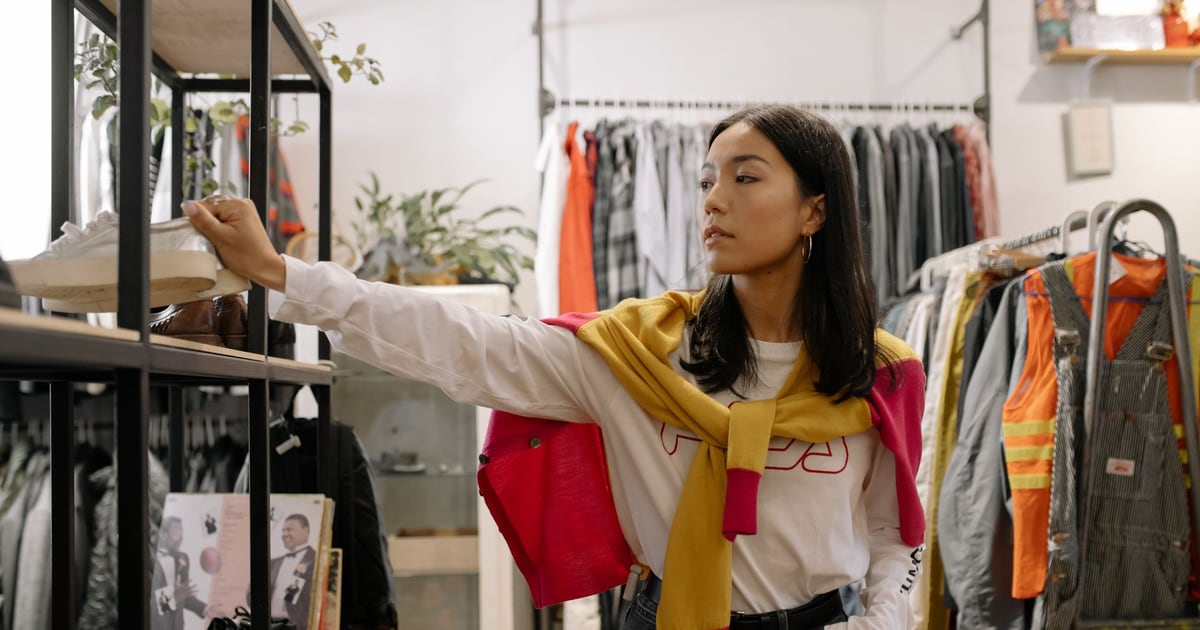
Goodwill dresses can be one of the easiest thrift lanes to overbuy. The rack looks cheap, the colors look fun, and one flattering cut can make you forget stains, bad alterations, weak brands, and slow sell-through.
This guide shows you how to sort Goodwill dresses fast without turning a $7 tag into a six-month mistake. If you need the broader Goodwill view, start with the Goodwill finds worth money guide. If your bigger question is whether the store is even worth the drive for apparel, pair this with the best thrift stores near me for clothes guide. If you need fast math before the dress goes in your cart, keep the brand resale value index and flip profit calculator nearby.
Goodwill Dresses: Fast Answer
Goodwill dresses are worth buying when they do one of four jobs well: a brand-led everyday dress, a special-occasion dress with obvious buyer demand, a vintage dress with real era signals, or a simple low-risk dress cheap enough to survive fees and still move.
They are weak buys when the whole story is just “pretty,” when the fit is too narrow, when the fabric is tired, or when the dress only works if one exact buyer shows up in one exact mood. Dresses are not jackets. They carry more fit risk, more alteration risk, and more hidden-condition risk. That means the dress rack needs harder rules than the denim rack does.
| Dress lane | Green light | Best next step | Walk away when |
|---|---|---|---|
| everyday dresses | current cut, useful fabric, easy measurements, recognizable label | list where brand search matters and shipping stays simple | generic mall dress, stretched lining, weak style, no real buyer room |
| special-occasion dresses | cleaner condition, obvious event use, strong size tag, low damage risk | separate into bridal, bridesmaid, prom, guest, or cocktail right away | hem drag, sweat damage, heavy tailoring, missing straps, dead zipper |
| vintage dresses | clear era cues, natural fiber, strong silhouette, labels worth researching | check the vintage clothing labels dating guide before guessing | costume energy without real demand, homemade piece with no signal, brittle fabric |
| low-cost basics | black, linen, wrap, knit, or vacation-friendly styles that ship easily | comp fast with the eBay sold link generator | only works below $15, needs perfect fit, or already feels dated |
The short version is simple. Goodwill dresses work best when you can explain exactly who buys them, where they sell, and why the defects will not kill the deal.
Why Goodwill Dresses Can Still Work
Goodwill is still big enough to make dress sourcing worth paying attention to. Goodwill said in March 2026 that its network spans 150 local organizations, more than 3,400 retail and outlet stores, and helped more than 2.1 million people in 2024. That kind of footprint matters because dresses are a volume game. The more stores there are, the more unevenly dresses get sorted, tagged, and mixed between everyday apparel, boutique racks, and event-driven donations.
Goodwill’s own donation valuation guide lists a dress at $7 as a common resale value estimate for stores. That number is not a promise for your district. It is still useful because it shows how often dresses get treated as a standard clothing category instead of a high-attention niche. If your store is still pricing a lot of dresses like bread-and-butter apparel, the lane can work.
Goodwill has also said shoppers near outlet and boutique formats can see very different dress economics. In its 2025 holiday shopping release, Goodwill said there are 160 outlet stores across North America and more than 50 specialty boutiques that may carry higher-end goods, including dresses. That split matters. A dress that feels overpriced on a boutique rack may still be cheap by bridal or event-wear standards. A plain black dress at the outlet may be almost free by comparison if the fabric and cut are right.
That does not mean every dress rack is a gold mine. It means the lane is uneven enough to justify real discipline.
Goodwill dresses look easier than they are
Dresses fool people because they read as finished outfits. A jacket needs a buyer to imagine an outfit. A dress arrives with the styling already half-done. That makes it easier to overvalue.
The problem is that dresses also fail faster. Fit is less forgiving. Hem damage matters more. Strap wear, underarm staining, broken zippers, and bad alterations matter more. A skirt with a weak zipper can still sell to somebody handy. A dress with a weak zipper and a fitted bodice is already halfway dead.
Special-occasion dresses create both the best and worst Goodwill buys
Goodwill itself has shown how deep special-occasion dress inventory can get. Its prom blog once highlighted dresses “for as little as $7.50,” and Goodwill wedding content says the racks are full of wedding guest dresses because many people wear them once and move on. On the stronger end of the market, a Goodwill bridal pop-up in Charlotte offered more than 2,400 dresses starting at $24.99, with wedding dresses ranging from $99 to $499 and other dresses from $29 to $149.
That is the clue, not the shortcut. Special-occasion dresses can absolutely work. They just need to be sorted by job right away. A bridesmaid dress, a black-tie guest dress, a prom dress, and a beach-wedding dress are not one category just because they all hang in the same section.
The secondhand dress market is big enough to matter
ThredUp’s 2026 resale report says the global secondhand apparel market is projected to reach $393 billion by 2030 and is growing 2X faster than the overall apparel market. ThredUp also said the U.S. secondhand market grew nearly 4X faster than the broader retail clothing market in 2025. Dresses are not the whole reason that market is growing, but they absolutely ride inside that broader shift. More shoppers are willing to buy secondhand apparel now. That gives dress sellers more room than they had when secondhand still felt fringe.
It does not remove the need to buy carefully. It just means the buyer room is already there if the dress deserves it.
The Best Goodwill Dresses To Buy First
The right way to shop Goodwill dresses is not by imagining what you would wear. It is by finding the dress types that survive fees, returns risk, and awkward measurements better than the rest.
<!-- alt: reseller sorting Goodwill dresses by everyday, occasion, vintage, and low-risk basics on a clothing rack -->
Everyday dresses with obvious search language
The safest everyday Goodwill dresses usually have one of three things going for them: an easy fabric story, an easy occasion story, or an easy brand story.
Easy fabric story means linen, silk blends, heavier cotton, or a knit that does not feel tired. Easy occasion story means vacation, office-casual, wedding guest, weekend brunch, resort, or date night. Easy brand story means the label gives buyers a reason to search for it rather than stumble into it.
What you want to avoid is the no-story middle. The rack is full of dresses that are not ugly and not broken but still have no clear buyer reason. Generic polyester florals, dated office sheaths, and anonymous fit-and-flare pieces eat time because they look sellable without actually being wanted.
If the dress is likely to sell under $15, I get much stricter. Poshmark’s current fee policy takes a flat $2.95 on sales under $15 and 20% on sales of $15 and up. That means a weak dress bought on hope can lose its margin before you even think about shipping supplies, stain treatment, or time.
Black dresses and event-neutral dresses
A lot of resellers ignore plain black dresses because they do not feel exciting in the aisle. That can be a mistake.
Simple black dresses often do better than louder event dresses because the use case is wider. One buyer wants a dinner dress. Another wants funeral attire. Another wants a last-minute cocktail option. Another just wants a better basic. That flexibility matters more than novelty.
I like black dresses when the fabric still feels strong, the cut is current enough to avoid “office leftovers” energy, and the dress does not need perfect styling to make sense. I especially like them when the buyer can understand the dress from the first photo without reading a paragraph.
The danger is the same as always: tired fabric, stretched seams, or a cut that only looked good in 2012. Black hides damage in the store and exposes it in listing photos. Check it under real light before you celebrate.
Special-occasion dresses with clear lanes
Special-occasion dresses can be some of the smartest Goodwill buys because the buyer knows the job. A bridesmaid dress, a prom dress, a formal guest dress, or a cocktail dress already solves a problem.
The trick is keeping the category narrow. Goodwill’s bridal-sale coverage shows there is real demand for event wear, but the usable inventory is not all equal. I would rather buy one cleaner cocktail dress with obvious event use than three huge satin bridesmaid dresses in hard colors that only fit one wedding palette from three seasons ago.
This is also where you need the right guide for the right dress. If the item is truly bridal, go deeper with the wedding dresses flipping guide. If the lane is broader occasionwear, the formal wear and suits flipping guide is the better companion. Here, the first job is the rack question: whether the dress deserves your money at Goodwill before you even get to the selling part.
Vintage dresses with real era signals
Vintage dresses work when the dress tells a story before the brand does. That can mean union labels, sharper shoulder construction, natural fiber, deadstock tags, bias cuts, prairie shapes, stronger 1990s silhouettes, or better-made lining and closures.
What does not work is vague “costume” energy. A dress that only feels old is not enough. Buyers need some combination of era, silhouette, fabric, print, or label that makes the piece recognizable.
That is why vintage dresses belong closer to the vintage clothing labels dating guide and the guide to finding designer clothes at thrift stores than to random trend chasing. The value comes from identification and buyer fit, not from hoping all old dresses are collectible.
Dresses that are boring in the best way
Some Goodwill dresses are worth buying precisely because they are not dramatic.
Think packable midi dresses, simple wrap dresses, linen shirt dresses, easy sweater dresses in season, and solid-color dresses that ship well and photograph cleanly. These do not always win the thrill test. They often win the sell-through test.
This matters because dress buyers are not all hunting statement pieces. A lot of them are just trying to replace a workhorse item without paying retail again. If the dress solves that job cleanly, boring can be very profitable.
How To Inspect Goodwill Dresses In 90 Seconds
The dress rack punishes slow, emotional shopping. I use a short pass that kills weak dresses quickly.
1. Read the fabric before you read the fantasy
Touch the fabric first. If it feels cheap, shiny in the wrong way, stretched out, or tired, I do not care how good the print is.
Fabric tells you a lot about whether the dress will photograph well, whether the buyer will feel disappointed at delivery, and whether the dress was built to survive a second owner. This is the fastest early filter on the rack.
2. Check the stress points immediately
Go straight to underarms, straps, zipper track, waist seam, lining, and hem. That is where a lot of dress deals die.
Pilling under the arms, deodorant shadow, popped seam stitching, warped zipper fabric, and hem drag all cost more than people think because dresses depend on clean presentation. A blouse with one weak spot may still sell. A dress with one weak spot often looks compromised everywhere.
3. Kill bad alterations fast
Alterations are where a lot of Goodwill dresses stop being normal inventory and start becoming one-person inventory.
Look for chopped hems, sewn-in bra cups, taken-in waists, hand-tacked straps, replaced zippers, or bust darts that clearly changed the original shape. Good alterations are not automatically a deal killer. Narrowing the buyer pool that hard usually is.
4. Decide the selling room before the cart
Do not buy the dress and then decide where it belongs later. Decide now.
If the dress only makes sense on a style-led clothing app, price it like that. If it needs the reach of eBay because the size is unusual or the style is niche, price it like that. eBay’s current seller fees page says most clothing categories land at 13.6% plus a $0.40 per-order fee. That is usually easier on a stronger dress than Poshmark’s 20%, but only if the buyer search actually exists there.
If the selling room is still fuzzy, leave it.
5. Use a hard maybe pile, not a growing cart
The dress rack gets dangerous when everything starts looking “almost good.”
I would rather make two strong dress buys than carry eight maybes that all need different excuses. If you are not confident, pull sold comps with the eBay sold link generator or reset with the thrift store price checker app guide before the maybe pile turns into checkout.
Where To Sell Goodwill Dresses Without Bleeding Margin
The right selling room matters because dresses can look profitable until the fee structure and return risk show up.
| Selling room | Best for | Hard number to remember | What it means |
|---|---|---|---|
| Poshmark | contemporary labels, everyday dresses, closets with bundle potential | $2.95 under $15, then 20% at $15+ | weak low-end dresses die quickly here unless the brand or style is strong |
| eBay | niche sizes, vintage dresses, special-occasion dresses, stronger search-led inventory | 13.6% plus $0.40 in most clothing categories | better when the dress has clearer keyword demand or needs broader reach |
| local cash sale | one-off event dresses and same-week needs | no shipping, but urgency is everything | best when the buyer only cares about getting a dress fast, not browsing closets |
This is why I do not treat all Goodwill dresses as “clothing.” Dresses are more route-sensitive than tees and less forgiving than jackets.
If the dress is a strong brand but ordinary style, I lean toward the cleaner clothing rooms discussed in where to sell brand-name clothes and how to sell clothes online for profit. If the dress is visual, special-occasion, or unusual, I care more about exact search behavior than I do about social-style browsing.
And if the dress will need careful presentation to move at all, I do not skip the photo work. The thrift-clothes photography guide matters more for dresses than for a lot of other apparel because drape, length, neckline, and waistline all need to read cleanly on the first image.
Goodwill Dresses That Usually Waste Time
Some dresses fail so often that they deserve a shorter leash from the start.
Dated office dresses with no buyer tension
The problem is not “office.” The problem is stale.
If the dress feels like a left-behind mall brand work staple from a style cycle buyers already moved past, it needs to be extremely cheap and extremely clean to matter. Most are not.
Huge special-occasion dresses with narrow color or size appeal
A dramatic bridesmaid or prom dress is not automatically bad. It is often a worse buy than it looks because the buyer pool is tiny.
If the size is narrow, the color is hard, the alteration history is obvious, and the silhouette is event-specific, the dress can sit forever even if the original retail price was high.
Dresses that need your imagination more than the buyer’s
Whenever the buy story becomes “somebody could style this,” I slow down.
A real dress buyer usually already knows the event, the season, the cut, and the use case. If the whole sale depends on you writing a clever listing to invent the demand, the rack probably gave you a costume, not inventory.
How To Build A Goodwill Dress System In 5 Steps
- Pick one dress lane before you touch the rack. Everyday, event, vintage, or simple black basics is enough.
- Start with the easiest defect check first. Underarms, zipper, hem, lining, and alterations tell the truth faster than the print does.
- Price the dress against fees before you get attached. A low tag does not matter if Poshmark or eBay will eat the spread.
- Separate ship-friendly dresses from local-need dresses right away. Do not force every dress into the same selling room.
- Cut the lane early when the rack turns into maybes. The right Goodwill dress day feels selective, not heroic.
FAQ: Goodwill Dresses
Are Goodwill dresses actually worth buying for resale?
Yes, but only when the dress has a clear buyer and a clear selling room before it reaches your cart. Goodwill dresses are strongest when they are easy to explain in one sentence: black-tie guest dress, linen summer midi, vintage prairie dress, current wrap dress, clean bridesmaid dress, or label-led everyday piece. They are weakest when the whole story is just that the dress looked pretty in the aisle. Dresses carry more fit risk and more hidden damage risk than a lot of thrift clothing, so the rack needs harder rules. If you buy only the dresses that survive quick condition checks and fee math, the lane can be very good.
What kinds of Goodwill dresses are usually the safest first buys?
The safest first buys are usually dresses with flexible use and flexible search language. Black dresses, linen shirt dresses, cleaner wrap dresses, simple midi dresses, and obvious event dresses often beat louder fashion experiments because more buyers understand what they are for. I also like dresses with fabrics that still feel strong and dresses with measurements that are easy to explain. What I avoid first are narrow occasion dresses with heavy tailoring, generic polyester florals that only look good from ten feet away, and vintage-looking pieces that do not actually have recognizable vintage signals. The safe buy is the dress that makes sense before the styling story starts.
Are Goodwill prom, bridesmaid, and wedding guest dresses better than everyday dresses?
Sometimes, but only when you separate them into tight lanes. Goodwill’s own dress and wedding coverage makes it clear there is real inventory in this area, from one-time formalwear to stronger special-occasion donations. The mistake is treating all event dresses as if they share the same buyer. A wedding guest dress can have broad appeal. A bridesmaid dress in a specific color and altered length often cannot. Prom can be strong when the silhouette still feels current and the condition is clean. Everyday dresses usually win on repeat demand. Event dresses win when they solve a sharper problem and still leave enough room after fees and slower listing cadence.
Should I sell Goodwill dresses on Poshmark or eBay?
It depends on the dress, not on which selling room you like better. Poshmark works well when the dress is contemporary, brand-led, and likely to fit naturally into a clothing closet where bundling helps. But the fee structure matters: under $15, the fee is a flat $2.95, and above that it jumps to 20%. eBay is often better for niche sizes, vintage dresses, and event dresses where buyer search behavior is more direct. Its current fee page shows 13.6% plus a $0.40 order fee in most clothing categories. I choose the room that matches how the buyer is likely to search, then decide whether the tag still works.
How do I tell if a Goodwill dress is too altered to buy?
I start by asking whether the alteration made the dress fit one person instead of a category of people. A clean hem is one thing. A hacked hem, sewn-in bra cups, shortened straps, narrowed waist, replaced zipper, or obvious hand-tacked bust area is another. Those changes shrink the buyer pool quickly because dresses are already fit-sensitive. The bigger the alteration, the more the dress needs a specific buyer instead of a normal one. If I can see the tailoring from a few feet away, I assume the buyer will notice it too. Unless the brand or event value is unusually strong, heavily altered Goodwill dresses are usually time traps.
Bottom Line
Goodwill dresses are not a lazy-clothing lane. They are a sorting lane.
The best ones have a clear job, clean condition, and a selling room that still leaves margin after fees. The worst ones are pretty distractions with weak fabrics, hidden damage, or event specificity so narrow that you end up storing somebody else’s maybe-dream dress for months. Treat the rack like a filter, not a treasure hunt. Start with fabric, stress points, alterations, and selling-room logic. Keep the winners. Kill the fantasies fast.
That is how Goodwill dresses stay profitable instead of just photogenic.