Sterling Silver Value Guide: Rings, Flatware & Scrap
By the Numbers
Sterling silver gives resellers two possible exits: a metal-value floor and, when the evidence supports it, a higher collector or replacement value. Because the silver benchmark changes every trading day, this guide does not treat a saved spot price as current. Enter a current benchmark or dealer quote in the calculator before making an offer.
If the purchase is a new wholesale jewelry order rather than a secondhand piece, use the wholesale sterling silver supplier and buy-ceiling checker. It keeps sample terms, assay evidence, freight, import cost, defects, sell-through, and target profit in one order-level decision instead of applying a single-item melt rule to a catalog lot.
The key to profiting from sterling silver is knowing the difference between what should go to a refiner and what’s worth selling to collectors. A generic sterling spoon might be worth $15 melted, but a Gorham Chantilly pattern spoon sells for $45-65 to replacement buyers. That knowledge gap is where resellers make money.
Whether you’re finding silver at estate sales, thrift stores, or online auctions, this guide covers everything you need to identify, authenticate, and profit from sterling silver in 2026.
Florida retirement-community estate sales are a strong hunting ground for sterling, but the best route is not always the fanciest zip code. Use the Florida estate sales guide to choose between The Villages volume, Boca/Naples wealth, and Sarasota art-and-decor sales before you spend the first hour at the silver table.
Why Sterling Silver Is Profitable for Resellers
Built-In Floor Value
Unlike most collectibles, sterling silver always has measurable worth based on silver content. Sterling is 92.5% pure silver by definition. When you know the weight, you know the minimum value. This makes sterling silver flipping lower risk than many other categories-even your mistakes can be sold for scrap.
Knowledge Arbitrage
Most sellers don’t know the difference between Gorham and generic, between collectible and commodity. They price by appearance or weight alone. When you can identify a Francis I pattern serving piece priced as “old silver spoon,” you’ve found your profit margin.
Consistent Demand
People inherit partial flatware sets constantly. They need replacement pieces. The replacement sterling market is massive and year-round. Sites like Replacements Ltd. prove the model-they’ve built a hundred-million-dollar business on flatware replacement demand.
Recession Resistance
Silver holds intrinsic value during economic uncertainty. Collector markets may soften, but you can always fall back to scrap value. This dual-value structure makes sterling silver flipping more stable than purely collectible categories.
Understanding Sterling Silver Basics
What Makes Sterling “Sterling”
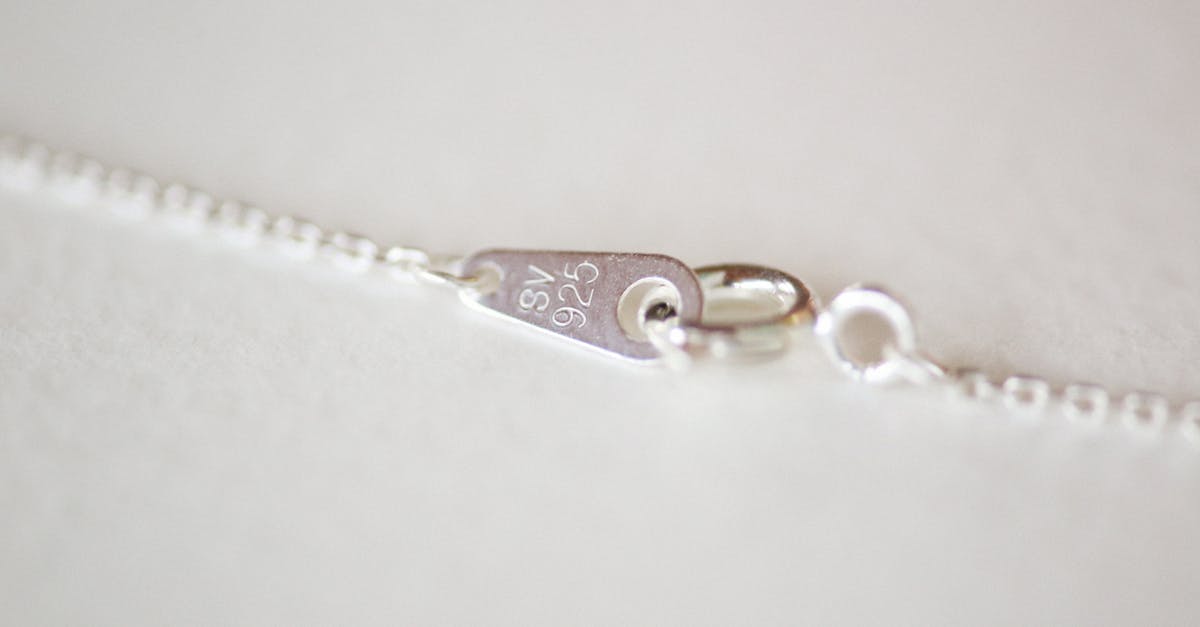
Sterling silver is an alloy containing 92.5% silver and 7.5% other metals (usually copper). This composition provides durability while maintaining silver’s beauty. The “925” hallmark you’ll see everywhere refers to this 925 parts per 1000 silver content.
Common Sterling Indicators:
- “Sterling” stamped on the piece
- “925” or “.925” hallmark
- “Ster” abbreviation
- Lion passant (British sterling mark)
- American maker marks with “Sterling” designation
Sterling vs. Silver Plate
This distinction is critical. Sterling is solid silver alloy throughout. Silver plate is a base metal (usually nickel or copper) with a thin silver coating. Plated items have virtually no silver value-the coating is microns thick.
Silver Plate Indicators:
- “EPNS” (Electroplated Nickel Silver)
- “Silver Plate,” “Plated,” or “Plate”
- “Quadruple Plate” or “Triple Plate”
- “Rogers,” “1847 Rogers Bros” (usually plated)
- “WM Rogers” or “International Silver” (often plated)
Testing Tip: Use a magnet. Sterling silver is not magnetic. If a piece sticks to a magnet, it’s plated over a ferrous base metal.
Sterling Silver vs. Silver: Purity, Construction, and Value
Evidence and conversion sources in this section were reviewed August 30, 2026. “Silver” is not precise enough for a resale or scrap decision. In U.S. consumer guidance, the Federal Trade Commission explains that silver described as silver, sterling, or sterling silver should be at least 92.5% pure, while silver plate is a coating over another metal. A 925 mark means 925 parts silver per 1,000, but a stamp is evidence to verify—not proof by itself.
This purity table turns those labels into a defensible calculation. It is text, not color-coded, so the meaning remains available to screen-reader and keyboard users.
| Label or construction | Silver input to use | What it means for value |
|---|---|---|
Fine silver / 999 |
0.999 only when the mark or testing supports it | 100g of verified 999 material contains 99.9g of fine silver before any non-silver deductions. Condition, maker, and form can still add resale value. |
Sterling / 925 |
0.925 after identity checks | 100g of solid verified sterling contains 92.5g of fine silver. Use this for the melt floor, then test collector or pattern demand. |
Coin silver / 900 |
0.900 after identity checks | FTC guidance describes coin silver as 90% pure. Do not silently treat it as 925. |
800 silver |
0.800 only when the mark or testing supports it | The item has a lower fine-silver fraction than sterling. Use the custom-purity input and preserve the mark evidence. |
| Silver plate | Do not apply a solid-silver purity multiplier to gross weight | A thin silver layer covers base metal. Gross scale weight does not reveal recoverable silver, so the sterling melt formula is not appropriate. |
| Silver-tone or nickel silver | No silver input without stronger evidence | A silver-colored appearance or the word “silver” inside an alloy name does not establish precious-metal content. Identify the construction before valuing it. |
The arithmetic difference is stable even though the dollar price changes. At the same verified solid weight and the same current per-troy-ounce input, sterling contributes 92.5% of gross weight as fine silver, coin silver contributes 90%, and verified 999 contributes 99.9%. The NIST precious-metals conversion reference gives 31.1034768 grams per troy ounce; use that factor rather than a standard household ounce.
A resale-safe decision sequence
- Photograph and transcribe every mark exactly; do not “upgrade”
plate,EPNS, or900to sterling in a listing. - Confirm whether gross scale weight includes blades, stones, cement, wax, liners, or other non-silver material.
- Calculate the metal floor with the verified fineness and a current price or buyer quote in the sterling silver melt value calculator.
- For intact jewelry, hollowware, or named flatware, compare matched completed-sale net proceeds with the actual scrap payout. APMEX’s sterling silver calculator guidance notes that condition, design, brand, and age can make overall worth differ from intrinsic metal value.
- Choose resale only when the conservative net clears scrap after fees, shipping, repair, return risk, and your required time premium.
A magnet can reject some ferrous-base pieces, but a non-magnetic result does not prove sterling. Brass, copper, and other plated base metals can also be non-magnetic, so combine marks with an appropriate test or professional assay when the purchase price depends on purity.
Testing Methods: Authenticating Sterling Silver
Visual Hallmark Identification
Start with hallmarks. Authentic sterling carries identifying marks, usually on the back or bottom of pieces.
American Hallmarks:
- Maker’s mark (Gorham lion, Reed & Barton eagle, etc.)
- “Sterling” or “925” designation
- Pattern name or number (sometimes)
- Date marks (some manufacturers)
British Hallmarks:
- Lion passant (sterling standard)
- Town mark (leopard head for London, anchor for Birmingham)
- Date letter (changes annually)
- Maker’s initials
Mexican Silver:
- “925” with eagle mark
- Maker’s initials
- “Mexico” or “Hecho en Mexico”
Use a jeweler’s loupe (10x magnification) to read small hallmarks clearly. Photographing with your phone camera zoomed in also works for identification.
The Acid Test
Acid testing provides definitive authentication when hallmarks are worn or absent. Silver testing kits cost $15-30 and last for hundreds of tests.
How to Acid Test:
- Find an inconspicuous spot (underside, back edge)
- File or scratch a small area through any surface coating
- Apply one drop of silver testing acid
- Observe the color reaction
Reading Results:
- Bright red/dark red = Sterling silver (92.5%)
- Brown = 80% silver (coin silver)
- Green = 50% silver or less
- Yellow/Gold = Heavy brass or bronze content
- Blue = Nickel content (plated)
Important: Test on raw metal, not the surface. Plated items will test positive on the surface but show base metal beneath.
Weight and Feel Test
Experienced dealers develop intuition for sterling. It has a distinctive heft and ring. When you tap genuine sterling flatware, it produces a clear, bell-like tone. Plated items sound duller.
Weight Benchmarks:
- Sterling teaspoon: 25-35 grams typically
- Sterling tablespoon: 45-65 grams
- Sterling dinner fork: 40-55 grams
- Sterling dinner knife: 65-90 grams (hollow handles)
These vary by pattern, but significant deviation from these ranges warrants closer inspection.
XRF Testing
X-ray fluorescence testing provides precise composition analysis without damaging items. Some coin shops and precious metal dealers offer XRF testing for $5-15 per item. Worth it for high-value pieces where certainty matters.
Valuable Flatware Patterns: What Collectors Want
Flatware pattern knowledge separates profitable sterling silver flipping from scrap selling. These patterns consistently command premiums over melt value.
Gorham Patterns
Gorham is America’s premier silversmith, and their patterns dominate the replacement market.
Top Gorham Patterns:
- Chantilly (1895) - The best-selling sterling pattern ever. Teaspoons sell $45-65, serving pieces $80-200+
- Buttercup (1899) - Ornate floral design. Strong collector following. Teaspoons $40-55
- Strasbourg (1897) - Elegant, clean lines. Teaspoons $40-55
- King Edward (1936) - Art Deco influenced. Teaspoons $35-50
- Fairfax (1910) - Simple, timeless design. Teaspoons $35-45
Reed & Barton Patterns
Notable Reed & Barton:
- Francis I (1907) - Fruit and Renaissance motifs. Highly collectible. Teaspoons $50-70, serving pieces $100-300+
- Burgundy (1949) - Clean mid-century design. Teaspoons $35-50
- Tara (1955) - Celtic-inspired. Teaspoons $30-45
- Eighteenth Century (1971) - Classic colonial. Teaspoons $30-45
Towle Patterns
Valuable Towle:
- Old Master (1942) - Baroque style. Teaspoons $40-55
- French Provincial (1948) - Country French aesthetic. Teaspoons $35-50
- Grand Duchess (1973) - Ornate Victorian revival. Teaspoons $30-45
- King Richard (1932) - Bold, masculine design. Teaspoons $35-50
Wallace Patterns
Collectible Wallace:
- Grand Baroque (1941) - Theatrical, ornate design. Teaspoons $45-65. Premium pieces command significant collector premiums
- Rose Point (1934) - Delicate floral. Teaspoons $35-50
- Sir Christopher (1936) - Colonial style. Teaspoons $30-45
International Silver Patterns
Note: International Silver produced both sterling and plated lines. Verify “Sterling” marking carefully.
Valuable International Sterling:
- Royal Danish (1939) - Intricate floral. Teaspoons $40-55
- Joan of Arc (1940) - Medieval inspired. Teaspoons $35-50
- Prelude (1939) - Simple, elegant. Teaspoons $30-45
Using Pattern Reference Tools
Pattern identification takes practice. Use these resources:
- Replacements.com - Search by manufacturer, browse pattern images
- Sterling Flatware Pattern Index - Complete visual reference
- eBay completed listings - Search manufacturer + “sterling” to compare
Photograph unknown patterns and use reverse image search or post to silver collector forums for identification help.
Sterling Silver Jewelry: High-Margin Opportunities
Jewelry can outperform melt because buyers may pay for a verified maker, design, stone, size, and condition. Those premiums must come from like-for-like sold evidence; weight alone cannot establish them.
Designer and Maker Marks
High-Value Jewelry Marks:
- Tiffany & Co. - 3-10x melt value for marked pieces
- Georg Jensen - Danish modernist, strong collector market
- David Yurman - Contemporary designer, premium pricing
- James Avery - Devoted collector base, especially in Texas
- Taxco (Mexican) - Look for artist signatures (Los Castillo, Margot de Taxco)
- Native American - Navajo, Zuni, Hopi pieces with maker marks command premiums
Jewelry Categories That Sell
Strong Performers:
- Charm bracelets (especially vintage with intact charms)
- Men’s ID bracelets and chains
- Vintage cocktail rings
- Modernist/Mid-century designs
- Turquoise and sterling combinations
- Art Deco pieces
Moderate Performers:
- Basic chains and bracelets
- Simple hoop earrings
- Unadorned bands
Jewelry Condition Considerations
Unlike flatware, jewelry condition dramatically impacts value. Check for:
- Broken clasps (repair costs $15-40)
- Missing stones
- Stretched chain links
- Worn prongs
- Tarnish (easily polished, not a concern)
925 Sterling Silver Ring Value: Weight, Proof, and Exit Route
The interactive 925 ring value module above keeps three questions separate: how much verified silver is present, what a scrap buyer would actually pay, and what comparable rings have sold for after fees and seller costs. That separation prevents a common pricing error—adding a vague “designer” or “stone” premium before the maker or stone is verified.
Ring Intake and Teardown Record
Use this sequence for each ring. Photograph the ring from all sides, then capture a macro image of every stamp before cleaning or testing. The image itself is not proof; transcribe the characters so the record remains useful for people who cannot inspect the photo.
| Evidence field | What to record | Failure state to preserve |
|---|---|---|
| Gross weight | Calibrated scale reading in grams | Include scale precision and whether stones are still mounted |
| Non-silver estimate | Stone, resin, enamel, or other material excluded from metal weight | If unknown, use a conservative estimate and label it as an estimate |
| Purity evidence | Exact stamp transcription plus acid, XRF, or assay result when available | “925” alone can be counterfeit or attached to plated/filled construction |
| Maker evidence | Exact maker mark, reference used, and confidence | Similar initials are not a verified attribution |
| Stone evidence | Test or professional identification | Color and appearance do not establish gemstone identity or value |
| Condition | Prongs, shank, sizing, missing stones, repairs, wear | Add a repair allowance or route the piece to scrap |
| Sold comps | Date, platform, exact maker/style/size/stone/condition match, sold price | Active listings and unmatched “925 ring” results are not comparable sales |
Ring Value Formula
- Subtract estimated non-silver material from gross weight.
- Multiply the remaining grams by the verified purity percentage.
- Divide by 31.1034768 grams per troy ounce, the NIST conversion.
- Multiply fine-silver troy ounces by the current spot input. The LBMA Silver Price is a benchmark reference; the module deliberately does not cache or invent a live price.
- Multiply melt value by the scrap buyer’s disclosed payout percentage.
- Compare that payout with the low end of matched sold comps after marketplace fees, shipping, and repair.
- Subtract the profit you require from the more conservative viable exit to get a buy ceiling.
Worked Ring Scenarios (Models, Not Reported Sales)
These rows are input tests for the calculator, not claims about transactions we completed. Replace every number with measurements, current spot, and dated sold comps for the actual ring.
| Scenario | Model inputs | What the model should test |
|---|---|---|
| Plain verified band | 8g gross, no stone weight, 92.5% purity, current spot input, disclosed scrap payout | Whether a generic sold-comp net truly beats the metal floor |
| Stone-set stamped ring | 8g gross, 1g excluded, stamp only, unknown stone | The warning must block any automatic stone or maker premium |
| Signed ring needing repair | Verified purity and maker, matched sold-comp range, explicit repair cost | Whether the conservative resale net still beats scrap after work and fees |
For broader marks, including British assay-office sequences, continue to the silver hallmarks identification guide. For a metal-only check without ring comps, use the sterling silver melt value calculator.
When the Ring Is Listed as a Diamond Ring
Use the dedicated evidence checklist above before adding a stone premium. A 925 stamp addresses a silver-fineness claim; it does not identify the mounted stone. Likewise, appearance or a simple screening result does not resolve natural diamond, laboratory-grown diamond, treatment, or simulant status. Preserve the exact shank transcription, stone and setting dimensions, any matched laboratory report, a qualified evaluation when value depends on identity, and condition-matched sold records.
The vintage jewelry platform guide carries the complete routing workflow and first-party FTC, GIA, and eBay research links. Keep the metal floor and any collector resale case separate until each has its own evidence.
Sterling Silver Tea Set Value: Weight, Maker, Completeness, and Exit Route
Evidence review: August 30, 2026. A sterling silver tea set does not have one price per ounce. Its defensible value is the better supported of two separate exits: a documented refiner payout for eligible silver weight or a conservative collector-sale net for the same maker, form, piece count, condition, and non-silver components. Do not add those two values together.
Tea Set Intake: Six Checks Before a Value Claim
| Step | Required record | Boundary and caveat |
|---|---|---|
| 1. Inventory every piece | Teapot, coffee pot, kettle and stand, burner, creamer, sugar bowl and cover, waste bowl, tray, lids, strainers, keys, and boxes | “Five-piece” and “six-piece” are not consistent across auction houses. Record exactly what the lot includes and which parts match. |
| 2. Photograph form and marks | Full front, profile, underside, every maker/purity mark, pattern or model number, monogram, repair, dent, split, and missing part | A maker mark identifies a research lead; it does not by itself prove .925 fineness. A “925” or “sterling” mark is evidence, not a substitute for appropriate testing when the purchase depends on metal content. |
| 3. Separate material classes | Solid or sheet silver, silver plate, wood, bone, ivory, resin, steel, weighted bases, pitch, cement, and soldered fittings | Never multiply gross lot weight by 0.925 when handles, finials, blades, trays, stands, or filled bases are not verified sterling. |
| 4. Weigh piece by piece | Calibrated gram weight for each body, cover, tray, and removable fitting; also preserve the auction house’s “gross,” “inclusive,” or “weighable silver” label | NIST lists one troy ounce as 31.103 grams. A gross weight that includes bone, wood, ivory, or plate cannot be normalized as fine silver. |
| 5. Build matched sold comps | Sale date, maker, form, piece count, completeness, weight label, condition, monogram, non-silver parts, realized price, currency, and whether buyer’s premium is included | A realized price including buyer’s premium is the buyer’s cost, not the consignor’s payout. Do not compare it directly with a refiner check or an eBay seller net. |
| 6. Get executable exit quotes | Current spot source and timestamp, purity assumption, refiner payout percentage, deductions, settlement date, shipping/insurance, and an auction or marketplace fee schedule | Use the lower supported net for a buy ceiling until purity, eligible weight, and the collector route are resolved. |
Maker and Mark Photo Pair
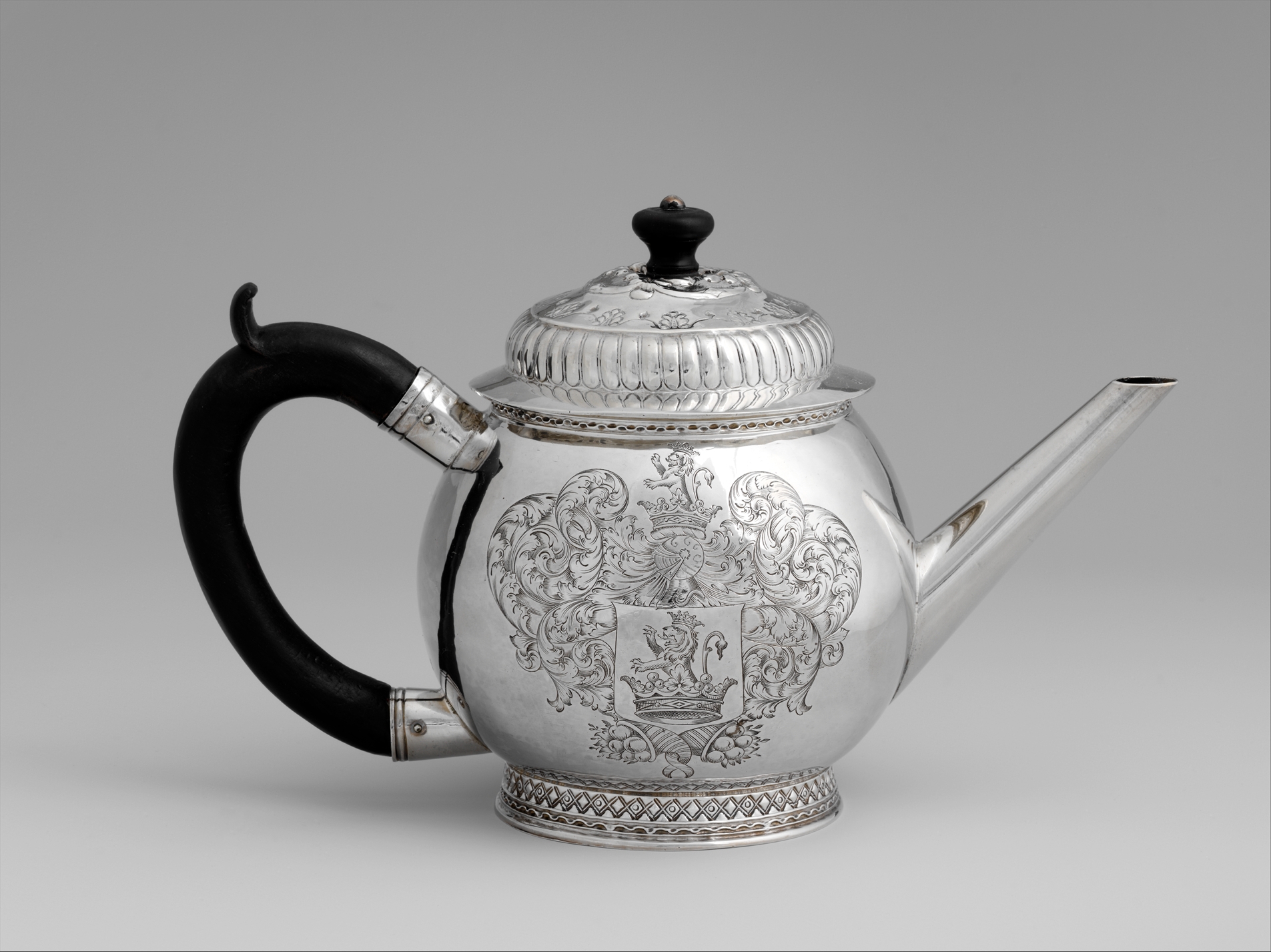
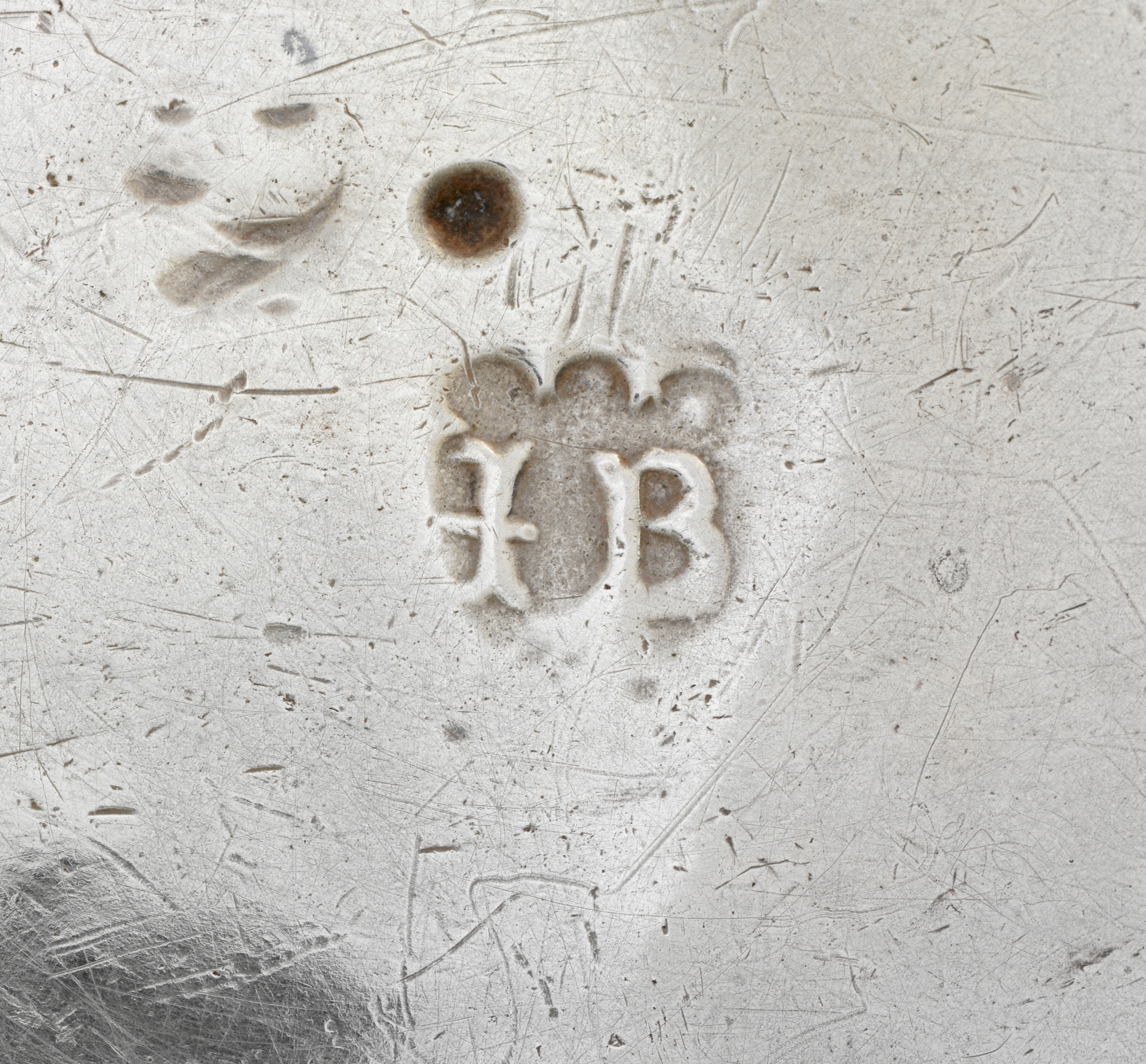
The photographs below are open-access evidence from The Metropolitan Museum of Art’s Jacob Boelen teapot record. The museum records the 1690–1700 silver teapot at 713.3 grams overall, with the body at 580 grams and cover at 133.3 grams. That object-level split shows why a useful intake records removable parts separately. The underside image is a maker-mark example; it is not a modern “925” mark and should not be treated as a purity test.
| Object view | Maker-mark view |
|---|---|
 |
 |
Tea Set Melt Floor and Refiner Quote Formula
Calculate the metal route only after the eligible sterling weight is defensible:
- Eligible sterling grams = verified sterling body and cover weights minus documented non-silver material.
- Fine-silver troy ounces = eligible sterling grams × verified fineness ÷ 31.1034768.
- Modeled melt value = fine-silver troy ounces × a current silver-price input. The LBMA Silver Price is a benchmark reference; this article does not cache or invent a live quote.
- Modeled refiner settlement = modeled melt value × the refiner’s disclosed payout percentage − shipping, insurance, assay, treatment, or other quoted deductions.
One real quote is a comparison point, not an industry-wide assumption. Midwest Refineries stated on August 30, 2026 that it pays 90% of the pure silver content for sterling and coin silver and advertises no refining, assay, treatment, inbound-weight, or minimum-order charge. Recheck the page and obtain the actual settlement terms before shipping: the payout, accepted material, assay method, spot date, turnaround, and deductions can change.
Recent Sold Tea-Service Evidence, Normalized by What the Catalog Actually Says
These are reported 2025 auction outcomes retrieved August 30, 2026. They demonstrate the variables to preserve; they are not a price range for an unidentified set.
| Sale and date | Lot identity | Recorded weight and condition boundary | Reported realized price | Why it is or is not a close comp |
|---|---|---|---|---|
| Capsule Auctions, June 26, 2025 | Reed & Barton four-piece tea and coffee service | 2,410g total approximate inclusive weight; bone details; loose handles noted | $2,304 including buyer’s premium | Useful only for a similar Reed & Barton four-piece service with comparable condition. The inclusive weight cannot be treated as all sterling. |
| Heritage Auctions, March 6, 2025 | Shreve & Co. five-piece tea set with a married silver-plated tray | 2,338g gross; tray rubbing, one dent, monogram, and polishing wear disclosed | $2,500 | The plated tray and gross-weight label make a melt-per-ounce shortcut invalid. Maker, monogram, condition, and matched versus married pieces matter. |
| Jeffrey S. Evans, April 26, 2025 | Assembled English five-piece service by two makers and dates | 78.90 ozt total including non-silver components; dents, scratches, wear, and buffed engraving disclosed | $2,074 including buyer’s premium | An assembled service is not a close comp for a matching service, and its total weight is not fine-silver weight. |
| Hindman, April 29, 2025 | Samuel Kirk & Son six-piece floral repoussé service with a silver-plated tray | 128.52 ozt weighable silver; maker period and monogram recorded | $6,400 including buyer’s premium | Strong evidence for the importance of maker, repoussé work, completeness, and weighable-silver labeling; not a generic melt comp. |
| Bonhams, November 4, 2025 | Woshing Chinese export silver tea set, six pieces | No lot weight published; Woshing, An Chang, Tai An, and TC marks; ivory registration disclosed | £1,408 including premium | Useful for a closely matched export-silver maker and form only. Without a weight, it cannot support a melt-per-ounce comparison. |
Collector Net, Shipping Risk, and the Final Route
Use this worksheet for each plausible exit:
| Exit | Evidence input | Net calculation | Stop condition |
|---|---|---|---|
| Refiner | Eligible grams, tested fineness, current spot input, written payout and deductions | Fine-silver ounces × spot × payout − all shipping, insurance, assay, and treatment costs | Stop if gross weight, filled parts, assay method, settlement date, or deductions are unresolved. |
| Marketplace | At least three matched sold comps where available, plus current platform fee basis, insured shipping, packing, expected returns, repair, and labor | Conservative accepted-sale value − fees − shipping/insurance − packing − repair/return allowance − labor | Stop if active listings, mixed makers, different piece counts, buyer-premium results, or unknown condition are carrying the estimate. |
| Specialist auction | Written estimate, reserve, seller commission, photography/insurance/shipping charges, sale date, and payout terms | Conservative hammer estimate − seller commission and all consignor costs | Stop if the estimate is based on photos without mark, condition, completeness, or weight evidence. |
For shipping, photograph each piece and mark before packing; weigh and condition-report each part; remove and wrap lids, burners, and strainers separately; immobilize handles and finials without loading pressure onto them; double-box; and buy tracking, signature, and insurance appropriate to the declared value and carrier rules. If ivory, bone, or another regulated material may be present, pause and verify applicable marketplace, carrier, and jurisdiction rules before listing or shipping.
Decision rule: choose the collector route only when its conservative expected net, supported by matched sold evidence, exceeds the executable refiner settlement by enough to cover the extra time and risk. Otherwise use the documented metal route. Preserve both worksheets so a future spot-price or auction-market change can be recomputed without rewriting the evidence.
Scrap vs. Collectible: Making the Decision
Every piece of sterling requires a decision: sell to collectors or sell for scrap? This calculation determines your profit.
Calculating Scrap Value
The Formula: Weight (grams) × 0.925 × Current Silver Price per gram × 0.85 (refiner rate)
For live math, use the sterling silver melt value calculator to update spot price, purity, payout rate, and weight unit before you buy or quote a refiner floor.
Example: 100 grams sterling × 0.925 = 92.5 grams fine silver 92.5 ÷ 31.1034768 = about 2.974 troy ounces 2.974 × your current silver-price input × the buyer’s payout rate = modeled scrap payout
Refiners typically pay 80-90% of spot for sterling. Build relationships for better rates on volume.
When to Sell as Scrap
- Damaged pieces with no collector value
- Generic patterns with no replacement demand
- Partial place settings in common patterns
- Heavily monogrammed pieces (reduces collector appeal)
- Mixed lots of unmatched items
When to Sell to Collectors
- Recognized patterns from major makers
- Complete place settings or serving pieces
- Unusual serving items (asparagus servers, fish knives)
- Designer jewelry with maker marks
- Vintage pieces with aesthetic appeal
The 2x Rule
General Guideline: If a piece can sell for more than 2x scrap value, sell to collectors. Below that threshold, consider whether the time investment of individual selling justifies the premium over quick scrap sale.
Sterling Silver Flatware Value Table: Pattern, Melt, or Refiner?
Use this flatware-specific pass when the question is not just “is it sterling?” but “what is this sterling silver flatware worth?” This evidence block was reviewed August 30, 2026. It deliberately uses a current spot-price input instead of freezing a dollar estimate into the article.
Let S be the current silver price per troy ounce and P be a refiner’s quoted payout as a decimal. For confirmed solid sterling:
Estimated melt: net sterling grams × 0.925 ÷ 31.1034768 × S
Estimated refiner payout: estimated melt × P
The 31.1034768 conversion follows NIST precious-metals guidance. Refresh S with a live benchmark or a calculator such as the APMEX sterling-scrap calculator, then obtain the buyer’s actual terms. Do not apply this formula to plated pieces, stainless blades, weighted handles, cement, or other non-silver material.
| Flatware evidence | What to record | Why it changes value | Decision use |
|---|---|---|---|
| Fineness and construction | Every mark, test method, solid/hollow/weighted parts, and net sterling grams | The FTC’s silver guidance distinguishes sterling claims from plated descriptions; gross weight can overstate recoverable silver | Establish the metal floor only after purity and weighable material are defensible |
| Maker and exact pattern | Maker, pattern, piece type, dimensions, and clear mark photos | AntiqueSilver’s evaluation guide and the Mozeris value guide both identify maker/pattern among the factors that can create value above metal | Search the exact maker-pattern-piece combination rather than “sterling spoon” |
| Completeness and condition | Piece count, missing pieces, monograms, wear, bends, repairs, and disposal damage | Mozeris highlights completeness and condition; replacement buyers may want one exact missing piece while damaged generic material may route to a refiner | Compare set sale, part-out, and metal exits |
| Independent verification | Dealer test result, measured weight, and any assay or XRF record | Bellevue Rare Coins recommends identifying, weighing, and verifying the material; its older page price examples are not used here | Increase evidence confidence without borrowing an outdated spot price |
| Dated market evidence | At least three close completed sales, plus dated retail asks kept in a separate column | Asking prices show availability, not realized value | Price from sold evidence; use retail listings only as pattern-demand leads |
Worked Flatware Formulas, Without a Frozen Spot Price
| Scenario | Fine-silver calculation | Market evidence to add | Route rule |
|---|---|---|---|
| Confirmed solid sterling teaspoon, 30g | 30 × 0.925 ÷ 31.1034768 = 0.8922 troy oz; melt is 0.8922 × S | As of August 30, 2026, Replacements showed a Gorham Chantilly sterling teaspoon at $129.95, used/excellent, with 24 shown available. That is a dated retail ask—not a sold comp or appraisal. | List only if close completed sales support a conservative net above the live metal/refiner exit |
| Confirmed solid generic spoons, 240g total | 240 × 0.925 ÷ 31.1034768 = 7.1375 troy oz; refiner estimate is 7.1375 × S × P | Record at least one current refiner quote and completed lot sales on the same weight basis | Prefer the strongest conservative net after fees, shipping, assay deductions, and time |
| Hollow-handle dinner knife | No melt estimate from gross weight | Record blade material, handle construction, gross weight, exact pattern, and the refiner’s hollow-handle terms | Sell by pattern when demand is supported; otherwise get a construction-specific quote |
Flatware Value Workflow
- Confirm metal first. Look for “Sterling,” “925,” or a reliable national hallmark, then use the silver hallmarks guide when the mark is unfamiliar.
- Weigh the right material. Record grams and troy ounces for solid pieces. Treat hollow knives, weighted handles, cement-filled candlesticks, and mixed-material servers separately.
- Calculate the melt floor. Save the timestamp, source, currency, and unit for the live spot input. Save the refiner’s quoted payout and deductions separately.
- Check replacement demand. Search Replacements.com for the maker and pattern. A retail replacement listing is not your guaranteed resale price; use it as a lead for a pattern-specific sold search.
- Pull eBay sold comps. Use the eBay sold link generator, eBay Advanced Search sold filters, or eBay Product Research/Terapeak. Record at least three close comps by maker, pattern, piece type, monogram status, and condition.
- Choose the exit. Compare conservative set-sale net, part-out net, and a documented refiner payout. Record why the chosen route wins; do not turn an asking price into a comp.
Where to Source Sterling Silver
Estate Sales: Prime Territory
Estate sales remain the best source for sterling silver flipping. Older estates often contain forgotten flatware, jewelry, and serving pieces.
Estate Sale Strategy:
- Search listings for “sterling,” “silver,” “flatware” keywords
- Arrive early for best selection
- Check china cabinets, buffets, jewelry boxes
- Ask about items not displayed
- Bring a magnet and loupe
Thrift Stores: The Hunt
Thrift stores misprice sterling regularly. Most employees can’t distinguish sterling from plate.
Thrift Store Tips:
- Check the jewelry case daily
- Examine all flatware, even mixed bins
- Look in housewares for serving pieces, candlesticks
- Build relationships with staff-ask them to hold silver items
Garage and Yard Sales
Sellers at garage sales rarely know sterling value. Focus on:
- Looking through all “old silverware” boxes
- Checking jewelry boxes and cases
- Asking about items in the house not displayed
Online Auctions
Estate Auction Sites:
- Proxibid, LiveAuctioneers, HiBid for estate auctions
- Local auction house websites
- Facebook Marketplace estate sale groups
Marketplace Sourcing:
- eBay “Buy It Now” for mispriced listings
- Facebook Marketplace
- Craigslist
- OfferUp
Pawn Shops and Coin Dealers
Some pawn shops sell sterling at melt value, leaving retail margin for resellers. Build relationships with local shops.
Where to Sell Sterling Silver
eBay: Collector Market
eBay connects you with replacement buyers and collectors globally.
eBay Best Practices:
- List patterns by exact name
- Include clear hallmark photos
- Specify weight in grams and troy ounces
- Use pattern-specific keywords
- Offer combined shipping for multiple pieces
Replacements Ltd. and Similar Services
Replacements.com and similar services buy sterling flatware for resale. They pay 30-50% of their selling price-lower margins but instant sales and no listing work.
Facebook Marketplace: Local Sales
Jewelry and smaller lots sell well locally. No shipping, no fees, cash transactions.
Ruby Lane and Etsy: Vintage Focus
For vintage and antique sterling, these platforms attract serious collectors willing to pay premium prices.
Scrap Dealers and Refiners
For pieces destined for melt:
- Local coin shops (negotiate rates)
- APMEX, SD Bullion (online refiners)
- Midwest Refineries, Garfield Refining (industry refiners)
Compare rates. The difference between 80% and 90% of spot adds up quickly on volume.
Profit Examples: Hypothetical Practice Cases
The cases below are calculation exercises retained to show different exit routes. They are not presented as Underpriced transactions, verified current quotes, or current sold-comparable data. Re-run every case with a current spot input and dated sold evidence.
Example 1: Gorham Chantilly Serving Set
- Sourced: Estate sale, $85 for 5 serving pieces (priced by weight)
- Weight: 380 grams total
- Scrap Value: ~$280
- Sold: eBay individually, $420 total
- Profit: $335 after fees
Example 2: Designer Jewelry Lot
- Sourced: Thrift store, $24 for marked “Taxco 925” bracelet and earrings
- Weight: 85 grams
- Scrap Value: ~$62
- Sold: eBay as “Vintage Taxco Sterling Set,” $145
- Profit: $105 after fees
Example 3: Mixed Sterling Flatware Lot
- Sourced: Garage sale, $20 for box of “old silverware”
- Contents: 12 pieces verified sterling, miscellaneous patterns
- Weight: 410 grams
- Action: Sold to refiner at 85% spot
- Profit: $280 (quick flip, minimal time invested)
Example 4: Wallace Grand Baroque Place Setting
- Sourced: Facebook Marketplace, $150 for 5-piece place setting
- Scrap Value: ~$95
- Sold: Replacements Ltd., $310 (instant sale)
- Profit: $160
Example 5: Tiffany Sterling Bracelet
- Sourced: Estate auction, $55 (listed as “silver bracelet”)
- Weight: 42 grams
- Scrap Value: ~$30
- Sold: eBay, $280 (Tiffany command premiums)
- Profit: $195 after fees
Example 6: Scrap Jewelry Accumulation
- Sourced: Various thrift stores over 2 months, $120 total
- Weight: 680 grams mixed sterling jewelry
- Action: Sold to local refiner at 87% spot
- Profit: $380
Use our ROI Calculator to verify margins before purchasing high-value pieces.
Common Mistakes to Avoid
Mistake 1: Confusing Plate for Sterling
This is the most expensive beginner mistake. “1847 Rogers Bros” is silver plate, worth dollars. Always verify markings and test when uncertain. A $100 “sterling” purchase that’s actually plate is a total loss.
Mistake 2: Ignoring Pattern Value
Selling collectible patterns for scrap leaves money on the table. A Francis I cream ladle has $40 in silver but sells for $150+ to collectors. Learn the major patterns.
Mistake 3: Over-Cleaning
Aggressive polishing can damage patina that collectors value. Light tarnish is fine-it proves authenticity. Harsh chemicals can remove desirable oxidation from detailed patterns.
Mistake 4: Poor Photography
Sterling requires clear hallmark photos. Buyers need to verify authenticity. Invest in good lighting and macro capability for your listings.
Mistake 5: Skipping Weight Verification
Always weigh silver before pricing. Sellers sometimes misrepresent or genuinely don’t know. Verify independently.
Mistake 6: Selling Incomplete Sets
A 3-piece place setting is worth less than 3 individual pieces to replacement buyers. Consider parting out partial sets versus selling as lots.
Building Your Sterling Silver Operation
Essential Equipment
- Digital scale accurate to 0.1 grams ($15-30)
- Acid test kit ($15-30)
- Jeweler’s loupe 10x ($10-15)
- Magnet ($5)
- Pattern reference guides (free online)
- Polishing cloth ($5-10)
Learning the Market
Study completed eBay listings for sterling flatware patterns. Browse Replacements.com for pattern values. Join silver collecting forums. Similar to building knowledge for vintage Pyrex flipping, pattern recognition is your competitive advantage in sterling silver flipping.
Building Refiner Relationships
Contact multiple refiners for quotes on scrap. Establish accounts for better rates. Having a reliable scrap outlet ensures you can always monetize purchases, even mistakes.
Inventory Management
Track silver inventory by:
- Pattern and maker
- Piece type
- Weight
- Acquisition cost
- Asking price
- Scrap value floor
This ensures you never sell below profitable levels.
FAQ
How do I know if something is real sterling silver?
Look for “Sterling,” “925,” or “.925” hallmarks. Use an acid test kit for pieces with worn marks. The magnet test eliminates obvious fakes (sterling isn’t magnetic).
What’s the difference between sterling and pure silver?
Sterling is 92.5% silver and 7.5% other material, while material represented as 999 fine silver is 99.9% silver. Use the verified fineness in the melt calculation: the same 100g solid weight contributes 92.5g of fine silver at 925 versus 99.9g at 999. Maker, construction, condition, and collector demand can still make the lower-purity sterling item worth more as an intact resale item.
Is sterling silver real silver, and how is it different from silver plate?
Yes. Verified sterling is a silver alloy containing 92.5% silver. Silver plate is a thin silver layer over base metal, so you cannot multiply the plated item’s gross weight by 0.925. Photograph the marks, identify construction, and test appropriately before claiming sterling or using a solid-silver melt formula.
Should I polish sterling before selling?
Light polishing is fine and often improves sales. Avoid aggressive polishing that removes patina or damages hallmarks. Collectors often prefer authentic aging over mirror finishes.
How do I find the pattern name on sterling flatware?
Check the back of handles for pattern names stamped into the metal. If no name appears, use maker marks and visual pattern guides on Replacements.com or similar sites to identify.
Is monogrammed sterling worth less?
Generally yes-monograms reduce collector appeal by 20-40%. However, popular patterns still sell with monograms, just at lower prices. For scrap, monograms don’t matter.
What’s the best sterling silver to flip for beginners?
Start with flatware from major American makers (Gorham, Reed & Barton, Towle, Wallace). The replacement market is predictable, patterns are well-documented, and authentication is straightforward.
How often do silver prices change?
Silver trades continuously on commodity markets. Check current spot prices before calculating scrap values. Use apps like Kitco or APMEX for real-time pricing.
Can I sell sterling silver on Amazon?
Amazon allows precious metal sales but has strict authentication requirements. eBay, Etsy, and specialized platforms are generally easier for silver resellers.
Bottom Line
Sterling silver flipping offers resellers a unique combination of floor-value security and collector premium potential. Unlike purely collectible categories, sterling always has measurable worth based on metal content. Your worst-case scenario is scrap value-your best case is selling a Francis I serving set for 5x melt.
Success requires learning hallmarks, patterns, and testing methods. Invest in basic equipment: a scale, acid test kit, loupe, and magnet. Study patterns from major American makers-Gorham Chantilly, Reed & Barton Francis I, Wallace Grand Baroque. These names mean profit.
Source at estate sales, thrift stores, and online auctions where sellers don’t recognize value. Sell collectible patterns on eBay to replacement buyers. Move generic silver to refiners for quick, reliable returns. Build relationships with local coin shops for better scrap rates on volume.
Use Underpriced to analyze sterling silver finds and verify you’re paying below profitable thresholds. Run numbers through our ROI Calculator before committing to significant purchases. The margins are real. The market is consistent. Start your sterling silver flipping business today.
If your estate-sale route produces mixed metal decor instead of hallmarked silver, use the brass and copper flipping guide for magnet tests, copper cookware tiers, and the scrap-versus-decor decision. The skill set overlaps, but brass and copper profits come from material ID plus design demand rather than melt value alone.
Frequently Asked Questions
Does a 925 stamp prove a sterling silver ring is real?
No. A 925 stamp is useful identification evidence, but stamps can be counterfeit, added to plated construction, or misread. Record a macro photo and exact transcription, then use an appropriate metal test or professional XRF or assay when the purchase price depends on purity. The calculator therefore labels stamp-only evidence as unresolved.
How do I calculate the melt value of a 925 sterling silver ring?
Subtract estimated stone and other non-silver weight from the gross grams, multiply by 0.925 for sterling purity, divide by 31.1034768 grams per troy ounce, and multiply by a current silver-price input. Multiply that melt value by the buyer’s disclosed payout percentage to estimate a scrap offer.
What is the difference between sterling silver and pure silver?
Verified sterling is 92.5% silver, while material represented as 999 fine silver is 99.9% silver. For the same verified solid weight and current price input, use 0.925 or 0.999 in the melt calculation. Then separately check maker, form, construction, condition, and collector demand because an intact sterling item can still resell above its metal floor.
Is sterling silver real silver, and how is it different from silver plate?
Yes. Verified sterling is a silver alloy containing 92.5% silver. Silver plate is a thin silver layer over base metal, so a plated item’s gross weight cannot be treated as 92.5% silver. A 925 stamp is evidence to verify rather than proof by itself; preserve the mark and use an appropriate test or professional assay when value depends on purity.
Are the stones in a sterling silver ring included in melt value?
No. Metal buyers generally value the recoverable silver, not the gross ring weight. Estimate or measure non-silver material separately and do not assign a gemstone premium from appearance alone. A stone value needs identification, condition evidence, and matched sold comps.
Does a 925 sterling silver diamond ring stamp prove the stone is a diamond?
No. A 925 or sterling mark is a silver-fineness claim, not a gemstone identification. Describe the stone as unidentified until stronger evidence supports natural diamond, laboratory-grown diamond, treatment, or simulant status. Preserve any matched laboratory report or qualified gemological evaluation separately from the metal record.
When should I resell a 925 ring instead of selling it for scrap?
Choose resale only when like-for-like sold comps by maker, design, size, stone evidence, and condition leave a conservative net above the available scrap payout after marketplace fees, shipping, repairs, and your time. Active listings are not completed-sales evidence.
How do I set a safe buy price for a sterling silver ring?
Use the lower viable exit: a documented scrap payout or the low end of matched resale comps after all seller costs. Subtract your required profit from that conservative exit. The interactive module displays that buy ceiling and flags missing purity, maker, stone, condition, spot-price, or comp evidence.
When is sterling silver flatware worth more than melt?
Flatware can be worth more than melt when verified maker, exact pattern, piece type, completeness, condition, and monogram status support replacement demand. Calculate the live metal floor from net sterling grams, keep a dated retail ask separate, and require close completed sales before assigning a collectible premium.
How do I calculate sterling silver flatware melt value?
For confirmed solid sterling, multiply net sterling grams by 0.925, divide by 31.1034768 grams per troy ounce, and multiply by a current silver-price input. Multiply that result by the refiner’s disclosed payout rate for an estimated offer. Do not use gross weight for plated pieces, stainless blades, hollow or weighted handles, cement, or other non-silver material.
How do I value a sterling silver tea set?
Photograph every piece and mark, confirm fineness, record maker and pattern, note completeness and condition, and separate weighable silver from handles, insulators, blades, liners, and plated pieces. Calculate a melt floor from net sterling weight and a current silver benchmark, obtain a current refiner quote, and compare that exit with recent sold results for closely matched maker, form, piece count, condition, and weight basis. Use the route with the stronger conservative net after fees, packing, insurance, and other costs.
Related articles
silver hallmarks guide for flatware marks and purity checks
Check what a 925 mark proves, route jewelry through metal, maker, construction, and sold-comp evidence, and decode English silver hallmarks without guessing.
vintage jewelry reselling guide for silver and signed pieces
Build a jewelry proof packet, authenticate claims, calculate melt and net floors, choose the right platform, photograph evidence, and ship securely.
estate sale flipping strategy for silver flatware and sets
Master estate sale sourcing with strategies for finding sales, what to look for, negotiation tactics, and turning estate finds into consistent reselling profits.
free antique appraisal guide for silver hallmarks and patterns
Compare free online antique appraisal methods, including AI tools, sold comps, auction-house estimates, collector communities, and when a paid expert is worth it.
Tools that help with this topic
sterling silver sold comps on eBay
Build source-backed sold-comp research links for eBay Advanced Search, eBay Product Research, Mercari, and Poshmark, plus a 7-comp pricing worksheet.
sterling silver flip profit calculator
Calculate net profit, ROI, margin, break-even price, and target sale price after marketplace fees, shipping, reserves, and labor. Free calculator included.
break-even price calculator vs melt value
Calculate the resale price that covers item cost, seller-paid shipping, supplies, risk reserve, platform fees, labor value, and offer buffer.
sterling silver melt value calculator
Calculate scrap sterling silver value from weight, purity, a current spot or buyer quote, payout rate, and a resale-net comparison.