Vintage Advertising Resale: Signs, Posters, and Proof
By the Numbers
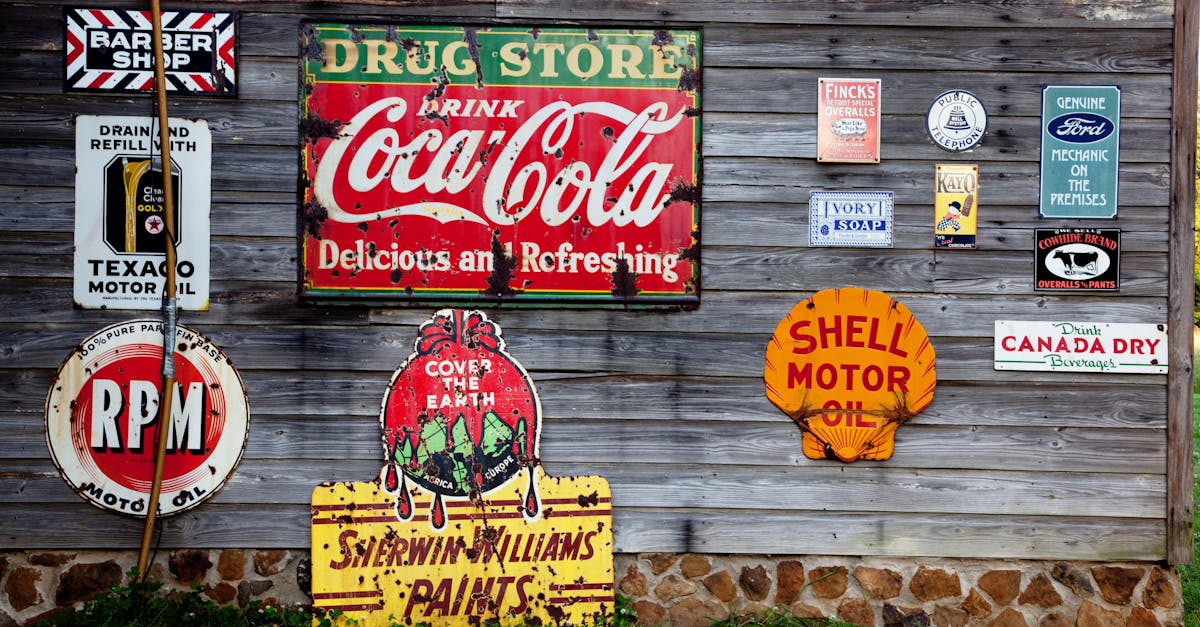
Vintage advertising represents one of the most visually appealing and consistently profitable niches in the collectibles market. From porcelain enamel gas station signs to cardboard store displays and vintage promotional items, these pieces of commercial Americana capture moments in marketing history while commanding impressive prices from collectors, interior designers, and nostalgia enthusiasts.
Quick Stats
| Metric | Value |
|---|---|
| Average Profit Margin | 50-300% |
| Startup Capital Needed | $200-$1,000 |
| Best Selling Season | Year-round, peaks in spring |
| Average Time to Sell | 14-60 days |
| Difficulty Level | Intermediate |
| Knowledge Required | Moderate-High |
Why Vintage Advertising Is Profitable
The vintage advertising market offers exceptional profit opportunities for resellers who understand the category. Several factors drive this profitability that make it an attractive niche for dedicated flippers.
First, nostalgia is an incredibly powerful purchasing motivator. Baby boomers and Gen X collectors actively seek advertisements from their childhood, whether it’s Coca-Cola memorabilia, gas station signs, or vintage beer advertisements. These emotional connections translate directly into premium pricing and eager buyers.
Second, vintage advertising serves multiple markets simultaneously. Collectors seek rare pieces for their personal collections, while interior designers and decorators purchase vintage signs and advertisements for restaurants, bars, man caves, and commercial spaces. This dual demand creates a solid marketplace with consistent sales velocity.
Third, the scarcity factor works strongly in your favor. Unlike many collectibles that were produced in massive quantities, authentic vintage advertising was typically displayed until destroyed, discarded, or heavily damaged. Surviving pieces in good condition become increasingly rare each year, supporting long-term price appreciation.
The profit margins in vintage advertising can be extraordinary. A porcelain Mobil Pegasus sign purchased for $50 at an estate sale might sell for $400-$800 to the right collector. Vintage Coca-Cola serving trays found for $10 at flea markets regularly sell for $75-$200 depending on age and condition. Even paper advertisements from vintage magazines command $20-$50 each when properly identified and marketed.
What to Look For
High-Value Categories
Porcelain Enamel Signs: These are the crown jewels of vintage advertising. Look for signs from gasoline companies (Mobil, Gulf, Texaco, Standard Oil), automotive brands, soft drink companies, and tobacco products. Authentic porcelain signs feature glass-fused enamel and show characteristic chipping patterns when damaged. Top examples include Mobil Pegasus signs, Gulf disc signs, and Coca-Cola fountain service signs.
Tin and Metal Signs: While generally less valuable than porcelain, quality tin signs from the early-to-mid 20th century remain highly collectible. Look for embossed signs, signs with original frames, and unusual shapes or die-cuts. Beer, automotive, and tobacco brands are particularly sought after.
Neon Signs: Vintage neon signs command premium prices, especially those from bars, bowling alleys, and iconic brands. Working neon is worth significantly more, but even non-functional signs sell well for restoration or display.
Thermometers: Advertising thermometers featuring brand logos were popular promotional items. Look for porcelain-on-metal examples and those from desirable brands like Coca-Cola, Dr. Pepper, and automotive companies. Working thermometers with intact glass tubes are worth more.
Cardboard and Paper Advertising: Store displays, counter cards, window signs, and die-cut standees represent affordable entry points into vintage advertising. Condition is critical-avoid pieces with significant foxing, tears, or fading. Pin-up themed advertising, automotive displays, and beer promotions perform particularly well.
Clocks and Light-Up Signs: Vintage advertising clocks from brands like Pam Clock Company and light-up signs designed for store or bar display combine functionality with advertising appeal. Working examples command significant premiums.
Authentication Essentials
Reproduction signs flood the market, making authentication crucial. Learn to identify authentic vintage advertising:
- Porcelain signs: Look for proper aging patterns, original mounting holes with rust patterns, and appropriate enamel wear. Examine edges for characteristic chipping that exposes layers
- Tin signs: Check for proper aging, rust patterns consistent with age, and printing techniques appropriate to the claimed era
- Paper items: Verify paper stock, printing methods, and aging characteristics match the purported date
Red Flags to Avoid
- Signs advertised as “antique style” or “retro”-these are reproductions
- Suspiciously pristine condition on supposedly old items
- Modern printing techniques on supposedly vintage paper
- Pricing that seems too good for authenticity
- Mass quantities of the same “rare” sign from a single seller
- Signs without appropriate aging, patina, or wear patterns
Proof-First Authentication Table
This category deserves a proof packet, not vibes. The Antique Advertising Association of America describes itself as a long-running collector club for antique and vintage advertising, and major auction houses like Morphy publish lot details with material, size, condition grade, estimate, and realized price. Use those kinds of references to train your eye before risking meaningful money.
| Item type | Proof to collect before buying | Red flag | Better selling route |
|---|---|---|---|
| Porcelain sign | Edge chips showing layered enamel, mounting-hole wear, gloss, weight, maker/era clues, both sides photographed | Uniform fake distress, thin metal, fantasy brand design, no back photos | eBay for mid-range, specialty auction for rare/high-grade |
| Tin sign | Embossing, lithography detail, natural oxidation, correct era/brand style, measurements | Modern flat printing, artificially rusty corners, repeated “rare” supply | eBay, Etsy decor, antique booth |
| Neon sign | Working video, transformer status, original can, porcelain/tin condition, local pickup plan | Reproduction can, unsafe wiring, no working test | Local sale, specialty auction, freight only if margin supports it |
| Paper poster/display | Paper stock, printer marks, fold lines, foxing pattern, provenance, archival sleeve | Glossy modern paper, cropped reprint, no dimensions | Etsy, eBay, framed local decor |
| Thermometer/clock | Working test, glass/tube condition, face condition, brand desirability | Reproduction face, broken glass, missing internals | eBay, antique mall, local pickup for fragile pieces |
One Morphy auction result illustrates why proof matters: a double-sided Sinclair Pennsylvania Motor Oil porcelain sign graded 9.0 sold for $35,670 against a $10,000-$20,000 estimate. That does not mean every porcelain sign is a five-figure flip. It means material, condition, originality, brand demand, and grade can radically change value.
Use these reference sources while learning the category:
- Antique Advertising Association of America for collector context and community direction
- Morphy Auctions automobilia and petroliana results for lot descriptions, grades, and realized prices
- eBay sold-comps search tool for recent marketplace liquidity on common and mid-range pieces
Sourcing Vintage Advertising
Best Places to Find Inventory
Estate Sales: Premium vintage advertising often appears at estate sales, particularly from collectors who accumulated pieces over decades. Research sales in advance and arrive early for the best selection.
Antique Malls and Shops: While prices are higher than at sales, antique malls offer the opportunity to find underpriced items from dealers unfamiliar with specific categories. Build relationships with dealers who might call you when advertising pieces arrive.
Farm and Rural Auctions: Agricultural advertising, feed store signs, and petroleum advertising frequently appear at country auctions where specialists may not be bidding. Tractor seats with advertising, livestock feed signs, and farm equipment promotional items can be profitable finds.
Online Estate Auctions: Platforms like EstateSales.net, AuctionZip, and local auction houses often list advertising lots. Study photos carefully and set maximum bids based on resale research.
Flea Markets: Weekend flea markets remain excellent hunting grounds. Many vendors sell advertising as part of general antique inventory without specialist pricing knowledge.
Picker Networks: Develop relationships with other pickers who can alert you when they encounter advertising pieces outside their expertise. Offer finder’s fees for quality leads.
Building Supplier Relationships
Establish ongoing relationships with:
- Restaurant and bar owners upgrading their décor
- Building demolition contractors who encounter vintage business signage
- Family members of collectors liquidating collections
- Rural property owners with old gas stations, stores, or farm buildings
Pricing Strategies
Research Methods
Accurate pricing requires thorough research across multiple sources:
- eBay sold listings: Search completed sales for your specific item, filtering by condition and comparing closely
- Specialty auction results: Major auction houses like Morphy Auctions regularly sell vintage advertising-study their realized prices
- Collector price guides: Publications like Hake’s Price Guide and specialized advertising antique guides provide baseline values
- Online collector forums: Active communities discuss pricing and recent sales, offering real-time market intelligence
Sold-Comps Discipline
Do not comp a damaged sign against a perfect one just because the brand matches. Use this quick filter before buying:
| Question | Pass signal | Stop signal |
|---|---|---|
| Is the same brand/material represented in sold results? | Multiple sold comps by material and size | Only active asking prices or unrelated brands |
| Is condition comparable? | Similar grade, edge wear, fading, working status, and missing parts | Your item has repairs, holes, broken neon, or heavy rust not reflected in comps |
| Is the sale route comparable? | eBay-to-eBay or auction-to-auction comparison | Specialty auction result used to justify a flea-market eBay listing |
| Is shipping realistic? | Packed size, insurance, and damage risk priced before purchase | Profit disappears after freight, crating, or claim risk |
| Is authenticity documented? | Provenance, old collection, specialist dealer, or clear physical evidence | Seller refuses back photos, edge photos, or dimensions |
For more general vintage pricing workflow, see our guide to pricing vintage items. For broader collectible routes, compare this with the collectibles selling guide.
Condition Grading
Vintage advertising uses specific condition terminology that affects pricing dramatically:
- Mint/Near Mint: Essentially perfect, commands maximum pricing-expect 100% of book value or higher for rare pieces
- Excellent: Minor wear consistent with age, minimal damage-typically 70-85% of top value
- Very Good: Noticeable wear, minor damage, light fading-usually 40-60% of top value
- Good: Obvious wear, some damage, but displays well-typically 20-35% of top value
- Fair/Poor: Significant damage, suitable for restoration or parts-10-20% of top value
Value-Adding Strategies
Increase your vintage advertising profits by:
- Professional cleaning using appropriate methods for each material
- Removing surface grime that obscures graphics
- Proper photography highlighting details and verifying authenticity
- Detailed descriptions including measurements, condition specifics, and historical context
- Professional framing for paper advertising when appropriate
Best Selling Platforms
eBay
eBay dominates vintage advertising sales due to its massive collector audience and global reach. Use detailed titles including brand, material, size, and era. The auction format works well for rare pieces, while Buy It Now suits common items. Invest in quality photography from multiple angles.
Etsy
Etsy attracts buyers seeking vintage advertising for home décor and commercial spaces. The platform’s aesthetic focus makes it ideal for visually striking pieces and paper advertising that can be framed.
Ruby Lane
This antique-focused platform reaches serious collectors willing to pay premium prices for quality authenticated pieces. Best for higher-value items where buyers expect expertise.
Specialty Auctions
For exceptional pieces-museum-quality porcelain signs, rare one-of-a-kind items-consigning to specialty auction houses like Morphy Auctions, Matthews Auctions, or similar specialists often achieves maximum value.
Local Antique Malls
Booth rental at quality antique malls provides steady cash flow for mid-range advertising pieces. The passive income model works well for items that may take longer to sell online.
Shipping Tips for Vintage Advertising
Proper shipping is critical for fragile vintage advertising, and your reputation depends on items arriving safely.
Packing Best Practices
- Porcelain signs: Use rigid cardboard protectors on both sides, wrap in bubble cushioning, and ship flat in appropriately sized boxes with minimal movement space
- Tin signs: Protect graphics with acid-free paper, use corner protectors, and prevent bending with rigid backing material
- Paper advertising: Use rigid mailers or pack between cardboard with plastic sleeves to prevent moisture damage
- Three-dimensional items: Immobilize completely using foam, bubble wrap, and appropriate box sizing
- Fragile items: Mark packages clearly and consider “signature required” options
Carrier Selection
- FedEx Ground: Preferred for larger, heavier signs due to handling reputation
- UPS: Good option for valuable items with reliable tracking
- USPS: Cost-effective for smaller paper advertising and lightweight items
- Freight carriers: Consider for oversized signs or bulk shipments
Insurance Considerations
Vintage advertising values can be substantial. Always:
- Insure items for full replacement value
- Photograph packed items before sealing
- Use third-party insurance (Shipsurance, U-PIC) for better rates on high-value shipments
- Require signature confirmation for items over $250
Frequently Asked Questions
Q: How do I tell reproduction signs from authentic vintage advertising?
Authentic vintage signs show appropriate aging characteristics including consistent patina, wear patterns at mounting points, appropriate rust formation, and manufacturing techniques matching their era. Reproductions often feature artificially distressed finishes that look uniform rather than naturally worn. Porcelain reproductions lack the proper layered chipping pattern of genuine enamel. Research specific authentication markers for each brand and material type. When uncertain, consult experienced collectors or auction specialists before making significant purchases.
Q: What vintage advertising categories are best for beginners?
Paper advertising offers the most accessible entry point-vintage magazine advertisements, trade cards, and postcards require minimal investment and storage space while teaching authentication skills. Tin advertising thermometers and small promotional items also provide good learning opportunities without major financial risk. As your knowledge grows, expand into higher-value categories like porcelain signs and neon. Start with brands you personally find interesting to maintain enthusiasm during the learning curve.
Q: How important is condition in vintage advertising values?
Condition dramatically affects vintage advertising prices-often more than in other collectible categories. A porcelain sign in excellent condition might sell for $500, while the same sign with significant chips and fading might bring only $100-$150. However, condition expectations vary by age and rarity. A truly rare sign in fair condition may still command strong prices due to scarcity. Paper advertising is particularly condition-sensitive, with tears, foxing, and fading significantly impacting values. Learn to assess condition accurately to price appropriately.
Q: Should I restore damaged vintage advertising before selling?
Generally, avoid restoration unless you have proper expertise or access to qualified professionals. Amateur restoration attempts-particularly on porcelain signs-often reduce value rather than increasing it. Collectors frequently prefer honest wear to poor restoration. However, appropriate cleaning to remove surface grime can significantly improve appearance and value. For paper advertising, professional conservation and appropriate archival framing can enhance value. When selling damaged pieces, describe condition honestly and let buyers decide whether to restore.
Q: Where can I learn more about authenticating vintage advertising?
Several resources help develop authentication expertise. Online forums like the Antique Advertising Association of America (AAAA) website and various Facebook collector groups provide community knowledge. Reference books covering specific brands and categories offer detailed authentication guidance. Attending antique advertising shows allows hands-on examination of authenticated pieces. Major auction house catalogs with detailed descriptions help calibrate your eye. Most importantly, handle as many authentic pieces as possible to develop intuitive recognition of genuine vintage advertising characteristics.
Conclusion
Vintage advertising represents an exciting and profitable flipping niche that combines visual appeal, historical significance, and strong collector demand. Success requires developing authentication expertise, building reliable sourcing channels, and understanding the specific factors that drive value in this category.
The market rewards specialists who take time to understand specific brands, materials, and eras. Whether you focus on porcelain petroleum signs, breweriana, automotive advertising, or paper ephemera, deep category knowledge provides the competitive advantage that transforms casual buying into consistent profits.
Start by focusing on categories that genuinely interest you-enthusiasm sustains the research and learning required for expertise. Build relationships with fellow collectors and dealers who can share knowledge and alert you to opportunities. Most importantly, buy quality over quantity-a single exceptional piece often outperforms numerous mediocre items.
The blend of nostalgia, scarcity, and crossover appeal between collectors and decorators ensures vintage advertising will remain a profitable niche for resellers willing to develop specialized knowledge and maintain high standards for authenticity and condition.
Helpful Tools
Ready to start analyzing vintage advertising deals? Use these tools to ensure you’re making profitable buying decisions:
- Profit Calculator - Calculate your potential profit margins on vintage advertising finds
- eBay Fee Calculator - Understand exactly what you’ll net after eBay and PayPal fees
- AI Deal Analyzer - Get instant AI-powered analysis on whether a vintage advertising deal is worth pursuing
Frequently Asked Questions
How do you authenticate vintage advertising before buying it to resell?
Authentication starts with material, construction, age pattern, and provenance. For porcelain signs, check layered enamel chips, mounting-hole wear, weight, gloss, edge photos, and the back side. For paper posters, check paper stock, printer marks, fold lines, dimensions, and whether the image was cropped from a modern reprint. Do not buy meaningful inventory from one photo or from a seller who will not provide closeups.
Are porcelain signs, tin signs, or paper advertising better for resale?
Porcelain signs usually have the highest upside when brand, condition, size, and originality all check out, but they also attract the most reproductions and shipping risk. Tin signs can be easier to ship and list, while paper advertising works best when condition, artist, event, or brand demand is clear. The right route depends on proof and recent sold comps, not just the material.
Where should resellers sell vintage advertising collectibles?
Common and mid-range pieces usually belong on eBay or Etsy because buyers can compare sold comps and search by brand. Fragile neon, oversized signs, and heavy displays often do better locally unless the margin supports freight. Rare, high-grade petroliana or automobilia can justify a specialty auction where bidders understand condition grades and provenance.
How should you price vintage advertising signs and posters?
Price from sold comps that match brand, material, size, condition, and sale route. Do not compare a damaged tin sign to a high-grade porcelain auction result. Build shipping, insurance, packing, authentication, and return risk into the net math before buying, especially on glass, neon, oversized signs, and framed paper.
What red flags suggest a vintage advertising item is a reproduction?
Red flags include fantasy designs with no period reference, identical distress on multiple listings, modern flat printing sold as old lithography, thin metal on supposedly early porcelain signs, no back photos, no dimensions, and sellers using antique style or retro language while implying originality. When the proof is weak, treat it as decor, not collector-grade inventory.
Related articles
best collectibles to flip for profit
Best items to resell in 2026, from game consoles and outdoor clothing to high-margin small replacement parts, ranked by profit, risk, and sell speed.
sourcing vintage finds at thrift stores
Thrift reselling guide for spotting profitable thrift flips, checking sold comps, avoiding fee traps, and scaling from side hustle to serious profit.
price vintage items using sold comps
Master vintage pricing strategy with this complete guide. Learn how to price vintage items using sold comps, rarity assessment, condition grading, and market timing for maximum profit.
sell collectibles online with the right route
Complete guide to selling collectibles online for profit in 2026. Learn how to identify, grade, price, and sell trading cards, comic books, coins, vintage toys, sports memorabilia, and more across eBay, Whatnot, and specialty platforms.
Tools that help with this topic
vintage sign sold comps tool
Build source-backed sold-comp research links for eBay Advanced Search, eBay Product Research, Mercari, and Poshmark, plus a 7-comp pricing worksheet.
flip profit calculator for collectibles
Calculate net profit, ROI, margin, break-even price, and target sale price after marketplace fees, shipping, reserves, and labor. Free calculator included.
break-even price on porcelain signs
Calculate the resale price that covers item cost, seller-paid shipping, supplies, risk reserve, platform fees, labor value, and offer buffer.
grading ROI for vintage advertising
Shortlist PSA, BGS, SGC, or CGC by live tier constraints, then compare exact graded sold comps with the raw-card exit and all-in grading cost.