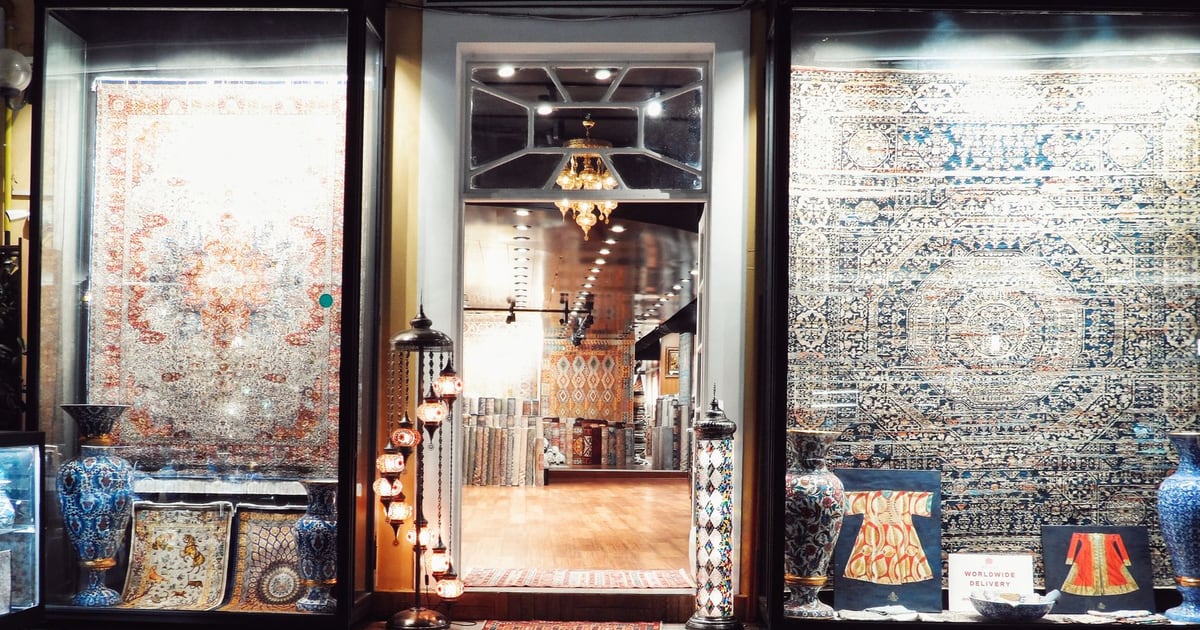
Designer thrift stores near me only pay when the cleaner floor saves you real labor instead of charging boutique prices for ordinary resale inventory.
That same test separates a useful upscale thrift shop from a polished room that quietly kills your margin.
People use designer thrift stores near me, thrift boutique, and upscale thrift shop to mean several different store types at once. Sometimes they mean a curated charity boutique in a wealthy area, Buffalo Exchange, Crossroads, Uptown Cheapskate, Beacon’s Closet, or any secondhand store where the clothes look cleaner than a basic Goodwill. Those are not the same sourcing job.
This guide is the reseller version of that question. It shows when curated secondhand stores help, when they quietly wreck margin, and how to tell the difference before the cleaner floor talks you into weak buys.
If you want the broad thrift scoring framework behind this guide, start with the best thrift stores guide. If your real edge comes from the donor ZIP code behind the store, pair this with the wealthy-neighborhood thrifting guide. And if your whole route is clothes-first, keep the best thrift stores near me for clothes guide close.
Thrift Boutique or Upscale Thrift Shop: Fast Answer
An upscale thrift shop is worth it when you want cleaner apparel, stronger labels, easier condition checks, and a faster path to listing than raw thrift chaos usually gives you.
It is weaker when your model needs the absolute lowest buy cost, when you mostly sell bulky hard goods, or when you keep paying resale-level prices for inventory that still sells like regular thrift inventory online.
Use this quick table before you decide the nicer floor deserves a permanent spot in your route.
| Store type | Verified scale or payout clue | Best for | Biggest weakness | Best use |
|---|---|---|---|---|
| Buffalo Exchange style buy-sell-trade | Buffalo says it offers 25% cash or 50% trade and has over 40 stores | stronger denim, boots, dresses, trend-led apparel, accessories | curation shrinks the pricing mistakes | best when you sell fashion fast and want cleaner yes-or-no decisions |
| Crossroads style curated resale | Crossroads says sellers get 25-40% cash, 45% trade, and up to 70% on high-end consignment | contemporary fashion, nicer labels, better-condition apparel, selective luxury | easy to overpay for “clean” inventory | best when your lane is apparel and you want structure more than bargain chaos |
| Uptown Cheapskate style resale-thrift hybrid | Uptown says it has 160+ locations in 29 states | mall brands, athleisure, young-adult fashion, easier starter inventory | tags can behave like retail clearance instead of thrift | best when current-style clothing matters more than vintage weirdness |
| boutique charity thrift in affluent areas | donor quality can outrun staff expertise | designer surprises, cleaner basics, handbags, eventwear | limited hours and uneven pricing logic | best when strong donors meet soft pricing |
| full luxury consignment | Crossroads itself treats high-end designer differently with consignment payouts up to 70% | authenticated luxury and high-ticket fashion | least room for classic thrift margin | best as a selling channel or selective sourcing lane, not your default thrift stop |
The short answer is simple. Upscale thrift is not better because it is nicer. It is better only when cleaner inventory helps more than higher pricing hurts.
Five-Minute Upscale Thrift Test Before You Drive
Before you add a thrift boutique or designer thrift store to a route, check whether the store gives you a real sourcing advantage or just a nicer shopping experience.
| Signal to check | What it usually means | Reseller move |
|---|---|---|
| recent photos show mixed racks, markdown tags, and ordinary brands beside stronger labels | the store may still have thrift-style looseness | test jackets, denim, shoes, bags, and premium basics first |
| photos show glass cases, staged handbags, and polished wall displays | the store is probably closer to resale than thrift | shop only categories you already know cold |
| the store is tied to a hospital, hospice, church, school, museum, or neighborhood charity | donor quality may outrun pricing discipline | compare tags against sold comps before assuming the whole room is good |
| the store is an exchange, buy-sell-trade chain, or consignment boutique | the store already paid or owes the seller | tighten your buy ceiling and count cleaner condition as the main benefit |
| Google reviews praise “cute,” “curated,” or “boutique” more than prices | shoppers may love it while resellers struggle | use it for research unless the first cart clears your margin rule |
The best first visit is small. Give the store 20-30 minutes, pull only items with obvious buyer language, and run the top three maybes through the flip profit calculator. If the numbers only work because the room feels nice, leave without buying.
Luxury Thrift Store Near Me: How to Judge the Local Results
A luxury thrift store near me search usually means you want better labels, cleaner condition, and a chance at designer resale without walking into full retail pricing.
That is a fair goal. It is also where resellers get careless. The word luxury can point to a charity boutique with strong donors, a buy-sell-trade chain, a consignment shop, a vintage boutique, or a polished resale store where the best items are already priced like finished inventory.
The first job is to identify the store model before you touch the first rack.
<!-- alt: local luxury thrift store comparison table showing charity boutiques, buy-sell-trade stores, consignment shops, and vintage boutiques -->
| Local result looks like… | What it probably is | Why it can work | Main danger |
|---|---|---|---|
| hospital, hospice, church, museum, or junior-league boutique | donation-led charity boutique with better merchandising | donors can be stronger than the pricing system | limited hours, volunteer pricing swings, small floors |
| Buffalo Exchange, Crossroads, 2nd STREET, Beacon’s Closet, or similar | buyer-curated secondhand | cleaner condition and faster fashion decisions | obvious labels are often priced tightly |
| local luxury consignment | seller-payout store built around higher-value pieces | authentication and quality may be stronger | classic thrift margin is usually thin |
| vintage boutique | curated taste-led secondhand | research value and rare styling ideas | resale price may already include the discovery premium |
| affluent-area Goodwill or charity thrift | ordinary thrift fed by stronger closets | better chance of a real underpriced find | still uneven, still picked by other shoppers |
The best local luxury thrift stop for a reseller is usually not the fanciest one. It is the one where better donations, imperfect pricing, and enough category volume overlap.
Use seller payout math as a warning light
Curated resale stores publish useful clues because their seller payouts reveal how much room the store needs.
Buffalo Exchange says accepted items pay 25% cash or 50% store credit, and the company says it buys and sells at 40+ stores. Crossroads says in-store sellers receive 25-40% cash or 45% trade, while designer and higher-end consignment can pay up to 70% cash. Uptown Cheapskate says it has expanded to 160+ locations in 29 states.
Those numbers do not make these stores bad sourcing stops. They tell you to shop them with a tighter ceiling. If a store already paid a seller and still needs room for rent, staff, markdowns, and profit, you cannot treat the tag like a sleepy church-thrift mistake.
That is why a $38 Theory blazer at a curated store is a different buy than a $7 Theory blazer at a donor-led thrift. The first one needs a strong size, fabric, condition, and platform fit. The second one can survive more ordinary demand.
Separate luxury from premium contemporary
Most near-me luxury thrift runs are not really about Hermes, Chanel, Cartier, or Rolex. They are about premium contemporary and better mall-adjacent labels: Vince, Theory, Eileen Fisher, Lafayette 148, Johnny Was, St. John, Tory Burch, Coach, Kate Spade, AllSaints, Reformation, and similar brands.
That distinction protects your buy ceiling. A clean Vince silk blouse, a Tory Burch flat, or a Coach leather bag can be a good flip, but it should not be judged like an ultra-luxury piece.
Use the guide to finding designer clothes at thrift stores for the label-spotting side, then use the brand resale value index when a familiar name feels stronger than the actual sold prices.
Look for the awkward middle, not the glass case
Glass cases are rarely where the easiest reseller money hides. Staff know the locked-case items matter, and shoppers stare at them first.
The better lane is often the awkward middle: better fabrics on ordinary racks, designer diffusion lines mixed with mall brands, leather bags that are not famous enough for the case, shoes with strong construction but weak merchandising, or occasion pieces that missed their seasonal window.
That is where a local luxury thrift store can still act like thrift. You are not waiting for the store to miss a Birkin. You are looking for quality signals that the store did not fully convert into the tag.
Build a two-stop luxury thrift test
Do not judge a luxury thrift store in isolation. Pair it with one cheaper source on the same day.
Run the polished store first if you want clean condition and fast brand exposure. Then run a regular Goodwill, charity thrift, estate sale, or donor-rich neighborhood shop to see whether the extra polish really improved your profit per hour.
If the luxury stop gives you faster yes-or-no decisions and the cheaper stop gives you better spread, keep both. If the luxury stop only gives you nicer racks and thinner math, demote it to research.
The broader market is moving toward this exact tension. ThredUp’s 2026 Resale Report projects the global secondhand apparel market at $393 billion by 2030, growing 2X faster than overall apparel retail. More demand means more polished stores, sharper buyers, and fewer obvious mistakes, so your edge has to come from category judgment instead of hoping the word luxury still means underpriced.
Luxury thrift checklist before checkout
Use this quick pass before any higher-tag buy:
- Confirm the store type: donation boutique, buy-sell-trade, consignment, vintage, or ordinary thrift in an affluent area.
- Check fabric and construction before brand: silk, cashmere, wool, leather, lined tailoring, quality hardware, and clean stitching.
- Open sold comps before the item reaches your emotional cart.
- Use the designer authentication guide for bags, shoes, jewelry, scarves, watches, and any logo-heavy piece.
- Route true handbags through the luxury handbag selling guide before you assume eBay is the best exit.
- Run the final number through the flip profit calculator, including platform fees, shipping, cleaning, authentication, and return risk.
That checklist sounds strict because higher-end thrift mistakes hurt more. A $6 bad buy teaches you cheaply. A $90 “maybe designer” buy can trap cash for months.
Designer Thrift Stores Near Me: How to Read the Local Map
When people search designer thrift stores near me, they are usually trying to avoid two bad trips at once. One is the pretty store that prices every obvious label like finished resale. The other is the broad thrift floor that technically has clothing but never gathers enough better brands to justify the drive.
The local map tends to lump together donation-led boutiques, buy-sell-trade chains, resale-heavy clothing stores, and full consignment rooms. They can all look polished from the parking lot. They do not create the same buy ceiling once you are standing at the rack.
Use payout clues before you trust the pretty floor
Buffalo Exchange says it pays 25% cash or 50% trade and runs 40+ stores. Crossroads says it pays 25-40% cash or 45% trade, with up to 70% cash on high-end consignment. Uptown Cheapskate says it has 160+ locations in 29 states.
Those numbers tell you how structured the business already is before you touch the first hanger. The more formal the payout model is, the more the store already needs the tag to work for its side of the transaction. That does not make the stop bad. It means the edge has to come from speed, condition, or one category the staff prices unevenly, not from hoping the whole store still behaves like sleepy thrift.
Let photos tell you whether the room is mixed or merchandised
Recent photos do more work than generic star ratings here. A designer thrift store near me that still leaves room usually shows mixed-brand racks, uneven size runs, a few stronger labels hiding among ordinary pieces, and enough everyday clothing around the better items that the store still feels partially loose.
A room full of glass cases, color-sorted handbags, and mannequin-first displays can still be a good stop. It is simply closer to resale than thrift. That means you go in with a narrower target list and a tighter ceiling, not with a broad treasure-hunt mindset.
<!-- alt: local designer thrift map comparison showing the difference between charity boutiques, buy-sell-trade chains, resale-heavy stores, and consignment rooms -->
| If the map result looks like… | What it probably is | Why it can still work | Where margin usually disappears |
|---|---|---|---|
| hospital, hospice, church, museum, or junior-league boutique | donation-led boutique with stronger donors | better labels can outrun the store’s pricing discipline | limited hours, smaller floors, and less size depth |
| Buffalo Exchange, Crossroads, 2nd STREET, or similar | buyer-curated secondhand chain | cleaner condition and faster fashion decisions | the obvious winners may already be tagged tightly |
| Uptown Cheapskate, Style Encore, or resale-heavy youth fashion store | current-style resale hybrid | easy denim, athleisure, handbags, and occasionwear reads | tags can behave more like retail clearance than thrift |
| local consignment or luxury resale | higher-payout seller model | cleaner premium inventory and occasional markdown opportunities | classic thrift spread is often too thin from the start |
| ordinary thrift in a strong donor corridor | broad thrift floor with better closets feeding it | the best chance at a real underpriced designer surprise | the floor can still be noisy and inconsistent |
Read the sign on the door literally
If the store calls itself consignment, exchange, or resale, believe it. That does not mean you skip the stop. It means you stop expecting charity-thrift randomness and start looking for category-specific advantages like faster denim decisions, cleaner shoes, or better eventwear.
If the store calls itself a boutique but ties itself to a hospital guild, hospice charity, church charity, or neighborhood nonprofit, that is often the more interesting designer-thrift lane. Those stores can get strong donations without always tightening the tag enough to erase the spread. That is the version of designer thrift stores near me that can still behave like thrift while looking much more polished than the average rack room.
Designer Thrift Stores Near Me: Which Stops Usually Leave Margin
The safest designer-thrift route is rarely the fanciest store on the map. It is the store type that still gives you one real edge after the label is already on the hanger.
| Store type | Best designer-thrift win | Buy first | Leave fast when… |
|---|---|---|---|
| donation-led charity boutique | better labels mixed with softer tags | jackets, dresses, handbags, silk tops, and cleaner shoes | basics are priced like finished boutique resale |
| buy-sell-trade chain | speed, condition, and easy brand recognition | denim, boots, contemporary labels, leather bags, and occasionwear | you keep calling “clean but ordinary” pieces good buys |
| resale-heavy youth-fashion store | current mall and premium-contemporary inventory | athletic wear, denim, handbags, dresses, and newer shoes | the whole floor looks trend-right but nothing has real resale headroom |
| full consignment room | occasional markdowns on premium inventory | only the specific brands and categories you already know cold | the store needs the perfect buyer story on every item |
| regular thrift in a stronger donor area | real underpriced upside | anything with quality fabric, strong construction, or low tag relative to comps | you are waiting for tidy presentation instead of looking for value |
Charity boutiques can still act like thrift
This is the lane people often miss when they search designer thrift stores near me. A small boutique room tied to a nonprofit can look refined enough to scare off thrift-minded buyers while still carrying donation-driven looseness in the pricing. That is exactly where a clean blazer, leather bag, or dress can stay affordable enough to matter.
The trick is not over-romanticizing the donor ZIP code. Better donors help, but the store still has to leave room. If basic mall labels are already carrying boutique numbers, the room is telling you it wants to be shopping first and sourcing second.
Buy-sell-trade stores are buying you speed
Buffalo Exchange, Crossroads, and Uptown-style rooms can still be strong stops when the real win is time. They save labor on condition checks, give you better label density, and make yes-or-no decisions faster than the average chaotic thrift aisle.
That matters if your business is clothing-first and you care about how quickly items move from rack to listing. Crossroads also says it has been leading resale for over 30 years and has more than 140 “Best of” awards, which is another way of saying these stores are trained, practiced operators. You are not beating them by assuming the whole floor is underpriced. You beat them by staying narrow, knowing your categories cold, and rejecting anything that only works because the room looks better than a normal thrift store.
Build a two-stop designer route instead of a one-store fantasy
The safest way to use designer thrift stores near me is to compare one polished stop against one softer-priced source on the same outing. Run the cleaner room first if you want the fastest fashion read while your standards are fresh. Then hit one Goodwill district store, church thrift, or donor-rich charity room before you decide the designer-leaning stop earned a permanent spot in your week.
That comparison keeps the pretty room honest. If the boutique gives you faster decisions and enough spread, keep it. If the boutique only gives you nicer lighting and the cheaper stop gives you the better cart, you just learned the store is better for research than buying.
The market is moving in exactly that direction. ThredUp’s 2026 Resale Report projects the global secondhand apparel market at $393 billion by 2030, growing 2X faster than the overall apparel market. More demand brings more polished operators, better trained buyers, and fewer lazy pricing mistakes. That means designer thrift stores near me still work, but the money is increasingly in judgment, not in the sign on the door.
What a Thrift Boutique Actually Is
The biggest mistake with upscale thrift shop is pretending it describes one universal store format.
It does not.
Sometimes it means curated thrift, not literal thrift
Shoppers often use upscale thrift shop for stores that are technically resale, buy-sell-trade, or boutique secondhand rather than classic donation-floor thrift. That is not a semantic problem; it is a sourcing problem. If you think you are walking into charity-store randomness and you are actually walking into a buyer-curated apparel floor, your pricing expectations will be wrong before you touch the first rack.
Buffalo Exchange is a good example. The company says it has been buying and selling since 1974, offers 25% in cash or 50% in trade, and has over 40 stores. That is not how a basic thrift store behaves; it is how a curated secondhand business behaves.
Sometimes it means thrift fed by stronger donors
There is another upscale-thrift meaning that matters just as much. Some stores feel upscale because the donor base is strong even when the operating model is still closer to thrift than resale. That is why donor geography matters so much: a cleaner charity boutique in a wealthier corridor can still produce better labels, better fabrics, and better condition without fully losing the thrift-store price advantage.
That version of upscale thrift belongs much closer to the wealthy-neighborhood thrifting guide than to a pure resale chain playbook.
Sometimes it is just resale pretending to be thrift
This is the version resellers need to guard against hardest.
Crossroads says its in-store sellers receive 25-40% in cash or 45% in trade, and its high-end consignment can pay up to 70% in cash. That tells you the floor is supported by a real buying operation, not just casual donations. Stores built that way can still be excellent sourcing stops, but they can also become places where the nice lighting and cleaner labels trick you into accepting margins you would reject instantly at a normal thrift store.
When a Thrift Boutique Beats Regular Thrift
Cleaner condition saves real labor
This is the most underrated upside.
An upscale thrift shop often saves you from the worst condition work: heavy pilling, deep odors, stretched collars, broken zippers, filthy soles, and the kind of fabric wear that turns a $12 buy into a 45-minute repair project. Cleaner condition is not just a convenience. It is real labor saved, which means real margin protected.
That matters most for apparel sellers. The cleaner the item, the faster the listing path, and the faster the listing path, the more likely the route is actually worth repeating.
Better labels create faster decisions
Uptown Cheapskate says it has grown to more than 160 locations in 29 states. That kind of scale exists because cleaner, more current labels are easy for buyers to understand.
Resellers benefit from that same clarity. A store full of fast-fashion filler forces too many “maybe” decisions, while a store with a higher density of recognizable denim, activewear, shoes, and contemporary brands lets you decide faster. Faster decisions are often worth paying slightly more for, especially when your whole business is clothing-first.
Curated stores can be better for beginners than chaos stores
People love telling beginners to throw themselves into the bins or the roughest thrift room in town. That is not always the fastest way to learn.
An upscale thrift shop can actually be a better training ground because the inventory is easier to evaluate, the brands are clearer, and the condition mistakes are less severe. The tradeoff is obvious: you must reject anything whose nice presentation pushes the buy price too close to resale already.
Where Upscale Thrift Usually Beats Regular Thrift
Apparel, shoes, and accessories
This is the cleanest win. If the category is wearable, visually legible, and easy to ship, upscale thrift can be excellent.
Boots, denim, leather bags, dresses, jackets, and athleisure all benefit from cleaner-condition sourcing. A better starting condition gives you faster photos, better sell-through, fewer disclaimers, and lower return risk. That is why curated secondhand formats can quietly beat “cheaper” thrift routes that feed you worse inventory.
Eventwear and occasion fashion
Occasion inventory is one of the best lanes for upscale thrift because buyers care about condition, fabric, and label quality more than pure bargain optics. A store that filters out obvious junk can save you from wasting time on dresses and blazers that are technically cheap but practically dead.
Selected designer and premium contemporary labels
This is where the designer clothes at thrift stores guide and the designer authentication guide start to matter. Upscale thrift stores often produce more premium labels, but that does not mean every premium label is a buy. It means you get more chances to find buys if your standards stay sharp.
Where Upscale Thrift Usually Loses
Hard goods and home categories
Most upscale thrift stores are weaker for housewares, media, books, electronics, and broad mixed-cart sourcing. Their advantage is apparel and accessories. If your business lives in cast iron, cameras, calculators, small kitchen appliances, or oddball home goods, the cleaner fashion floor may just be a distraction.
That is why I would rather pair an upscale thrift stop with the Goodwill finds worth money guide than replace real hard-goods thrift entirely. The jobs are different.
Lowest-cost sourcing
If your model depends on dirt-cheap input, upscale thrift is often the wrong lane by definition. A cleaner store with stronger labels may still leave room. It usually will not leave bins-level room, garage-sale room, or sleepy-charity-store room.
This is where people get themselves in trouble. They compare curated inventory against bad thrift inventory and decide the nicer store is automatically better. The real comparison should be curated inventory against the next-best route you actually have.
Anything that needs a dramatic pricing mistake
Curated secondhand stores tend to know what categories they are good at. That does not mean they price perfectly, but it does mean the biggest, dumbest misses are less common. If your business thrives only when the store has absolutely no idea what it put on the floor, you may be better off with a weaker-looking but softer-priced thrift environment.
How to Find a Thrift Boutique That Still Leaves Margin
A thrift boutique is usually a local decision before it is a category decision. You are picking a room, a pricing habit, and a donor stream, not just a vibe. That is why the smartest pre-trip work is figuring out what kind of store hides behind the polished name.
Read the sign language before you read the first rack
Words like boutique, exchange, consignment, and curated sound similar from the sidewalk. They do not behave the same once you start pulling tags.
| If the store describes itself as… | What that usually means | Margin outlook | Best first test |
|---|---|---|---|
| thrift boutique or charity boutique | donation-driven shop with better merchandising or a stronger donor zip code | best chance at true thrift prices with cleaner condition | check whether basics are still tagged like thrift, not like finished resale |
| buy-sell-trade or exchange | a buyer-curated apparel floor built to move current labels fast | medium room when you know the category cold | test denim, shoes, and bags first to see whether the obvious winners are already priced tight |
| consignment boutique | seller payouts are high enough that the store must protect its spread carefully | thinnest room for classic thrift margins | look for markdown racks, stale seasonality, and categories the store overestimates |
| vintage boutique | taste and curation are part of the product | good for research, mixed for resale | buy only when a category outruns the boutique’s pricing discipline |
That table matters because the word boutique by itself tells you almost nothing. A hospital auxiliary boutique, a church-run better-goods room, and a fashion exchange can all feel polished while creating completely different buy ceilings.
Let recent photos and short videos do the scouting
Before you make the drive, use recent photos, tagged social posts, and short walk-through videos to figure out whether the store is a real thrift boutique or just resale in thrift clothing. A polished website is not enough. You want to see the racks, the tags, the dressing-room area, the glass cases, and the categories that keep showing up in shopper videos.
If every clip shows color-sorted denim walls, locked designer cases, and merchandised rounders, expect a store that understands presentation and probably prices the obvious fashion wins aggressively. If recent photos show mixed-brand racks, charity signage, uneven category spacing, and stronger labels scattered among ordinary basics, that is often the better reseller pattern. The room may look less perfect, but it can leave more room.
This is also where local context helps. A thrift boutique attached to a hospital guild, hospice charity, church charity, or neighborhood nonprofit can behave very differently from a youth-trend buy-sell-trade chain. One may win because donors are better than the staff’s category knowledge; the other may win because the inventory is cleaner and faster to scan, even if the spread is thinner.
Use the sell-side numbers to judge the buy-side room
The quickest way to judge a polished secondhand store is to study how similar chains pay sellers. Buffalo Exchange says sellers get 25% cash or 50% trade, which tells you the company needs room to sort, merchandise, and still mark down inventory later. Crossroads says sellers get 25-40% cash, 45% trade, and up to 70% cash on high-end consignment, while Uptown Cheapskate says it has 160+ locations in 29 states and gives 25% more in store credit. Those numbers tell you when a room is much closer to resale economics than thrift economics.
Those numbers do not mean those stores are bad buys. They mean you should shop them like structured secondhand, not like a random thrift room. Expect cleaner inventory, faster brand recognition, and less tolerance for vague maybes. The tighter the seller-payout model, the more disciplined you need to be on your own buy price.
The broader market trend points the same way. ThredUp’s 2026 Resale Report projects the global secondhand apparel market at $393 billion by 2030, growing 2X faster than the overall apparel market. That kind of growth attracts more polished operators, more buyer training, and more pricing confidence. In plain English, nicer secondhand is getting more professional, so your edge has to come from category judgment instead of assuming every pretty shop is sleepy.
Build a boutique route with one hard comparison stop
The safest way to use a thrift boutique is to compare it against one rougher, softer-priced stop on the same route. Hit the cleaner room first if you want sharper apparel decisions while your standards are fresh. Then hit one Goodwill district store, church thrift, estate-sale stop, or donor-rich charity room before you buy the story that curated always means better.
That comparison does two useful things. First, it forces you to compare real spread, not just mood. Second, it stops a polished floor from becoming your whole sourcing identity. Boutique thrift is strongest when it handles a narrow job like dresses, jackets, shoes, bags, or premium basics; it gets dangerous when you let the nice lighting convince you to accept ordinary mall brands at prices that only work on your best day.
If you are not sure whether the boutique deserves a permanent slot, test it with a small rule: only buy items you would still like at a less flattering store. That keeps presentation from doing the decision-making for you.
How Upscale Thrift Should Fit Into a Bigger Sourcing Route
An upscale thrift shop is rarely the whole route. It is usually one lane inside a smarter week.
The best use of upscale thrift is as a category-specific stop, not a total sourcing identity. It can be the first stop when you want clean clothing decisions before work, the second stop after a rougher thrift store when you want to compare whether better condition justifies higher tags, or the last stop when the day already produced cheap inventory and you only want a few cleaner, faster-listing pieces.
What it usually should not be is the only place you source from if you care about margin spread. Cleaner floors help. Cleaner floors do not repeal math.
| Route position | When upscale thrift works | When it fails | Best use case |
|---|---|---|---|
| first stop | you want quick apparel decisions and know your buy ceiling before the first rack | the nice floor seduces you into paying up before you have any comparison point | short before-work clothing route |
| second stop after a regular thrift | you want to compare clean-condition premiums against cheaper but messier inventory | you start treating the cleaner store as permission to loosen standards | best for denim, jackets, shoes, and bags |
| last stop of the day | you only need a few strong pieces and can reject almost everything else | fatigue makes every clean label look better than it is | useful for topping off a listing batch with easier inventory |
That table is the real discipline check. Upscale thrift shops are strongest when they solve a specific weakness in your route.
Pair upscale thrift with one softer-priced source
This is the safest way to keep perspective. Run one local thrift, one church shop, one Goodwill district store, or one estate-sale lane alongside your curated secondhand stop. That comparison makes it obvious whether you are paying for genuine quality or just paying for atmosphere.
It also protects your business from becoming too dependent on one store type. If an upscale thrift route gets tighter, you still have a lower-cost input lane ready. That matters much more than people admit, especially once seasonal demand softens and thinner buys stop clearing as easily.
Use upscale thrift to buy speed, not to buy fantasy
When curated secondhand works, the real thing you are buying is speed. You are buying faster condition checks, faster photos, faster listings, and fewer return-risk surprises. That is a real edge.
When it fails, you are buying fantasy. You are paying more because the store feels sharper, the labels feel more familiar, and the inventory feels one step closer to sold before you have proven any of it. The whole game is staying on the speed side of that line.
How to Shop a Thrift Boutique Without Overpaying
<!-- alt: step-by-step process for evaluating curated thrift stores before paying curated secondhand prices -->
- Decide whether the store is true thrift, buy-sell-trade, or consignment-adjacent before you shop the first rack.
- Start with the categories that justify cleaner-condition premiums: denim, boots, outerwear, leather bags, dresses, and cleaner premium basics.
- Pull sold comps earlier than you would at a rougher thrift store. Curated floors make weak items feel stronger.
- Compare the item against your next-best source, not just against the worst thrift store in town.
- Audit the cart once for “clean but ordinary” pieces. Those are the ones upscale thrift stores talk you into.
- Keep a hard ceiling. If the floor feels like resale and the item still needs a perfect online buyer to work, put it back.
That process matters because curated stores do not beat you with obvious junk. They beat you with respectable maybes.
Red Flags That Mean the Upscale Thrift Shop Is a Trap
Everything is nice and nothing is cheap enough
This is the core problem. The store looks strong, the labels are decent, and the condition is clean. Then every item lands a little too close to the online sale price to survive fees and work. That is not a route; that is retail temptation.
The staff clearly understand the exact categories you sell
Some curated stores are still good precisely because their buyers are broad but not specialist-level on your niche. Others are extremely sharp on the obvious winners. If the store prices the exact denim, athleisure, or boot categories you love right up against market reality every time, it may still be a fun store, but it is just not your store.
The store makes you forget time cost
Upscale thrift can feel efficient because the floor is easier to scan. But if the nicer environment also makes you linger, overcompare, or justify cleaner-but-thinner buys, the saved labor disappears. A strong stop should still produce enough good decisions per hour to beat your alternatives.
You are calling resale “thrift” to feel better about the price
This is a real reseller mistake. Sometimes the item is fine, but the language around it gets slippery. If the price already behaves like resale, admit that it is resale and judge the buy honestly. The wrong label should not rescue the wrong number.
FAQ: Thrift Boutique and Upscale Thrift Shop
What counts as a thrift boutique or upscale thrift shop for resellers?
For resellers, a thrift boutique or upscale thrift shop usually means a secondhand store with cleaner presentation, stronger labels, better condition, and more apparel focus than a standard thrift floor. That can include buy-sell-trade chains like Buffalo Exchange or Crossroads, resale-heavy clothing stores like Uptown Cheapskate, or boutique charity thrifts in stronger donor areas. The important point is not the name on the sign; it is the operating behavior. You need to know whether the store is curated by buyers, fed mostly by donations, or sitting somewhere in between, because each version creates a different pricing risk.
Is upscale thrift better than regular thrift for flipping?
Sometimes, especially for clothing and accessories. Upscale thrift can save you cleaning time, improve condition quality, and increase the density of labels worth pulling. That is a real advantage if your business is apparel-heavy, but it becomes worse than regular thrift when higher prices erase the margin, the categories are too curated, or your business depends on low-cost hard goods. Upscale thrift is not broadly better; it is better only when cleaner inventory helps more than higher tags hurt your actual weekly cash flow.
Which upscale thrift formats are best for beginners?
Cleaner buy-sell-trade and resale-heavy stores are often better for beginners than bins or chaotic thrift rooms because the inventory is easier to evaluate and the condition risks are more visible. That does not mean beginners should pay any price just because the floor looks better. It means curated stores can be useful training grounds for learning brands, fabrics, and category fit. The safest move is to start with denim, jackets, shoes, and bags, then use the flip profit calculator on every borderline buy until your eye gets faster.
How do I know when an upscale thrift store is too expensive?
The easiest sign is when you keep telling yourself the item is “still okay” instead of seeing a clear spread. If the store’s pricing already sits close to normal online sold prices, if the item needs the perfect buyer story to work, or if one return would erase the whole margin, the store is too expensive for that category. Another good test is comparison: if a basic Goodwill, church thrift, or donor-rich local shop gives you similar sale prices at much lower entry cost, the upscale store is not helping. It is just prettier.
Should I source luxury or designer items from upscale thrift shops?
Yes, but only if you already have authentication standards and category discipline. Upscale thrift stores can absolutely surface better labels more often than ordinary thrift floors, especially in stronger donor areas or curated resale chains. That does not make them easy money, because premium labels carry a higher counterfeit risk and curated stores can price “designer” optimistically even when the specific item is weak. Source luxury there only when the authentication is solid, the sold comps are clear, and the condition is strong enough that the cleaner floor actually turns into faster cash instead of more expensive mistakes.
How do I find a luxury thrift store near me that still has margin?
Start by separating donation-led boutiques from curated resale and consignment shops. A charity boutique in a strong donor area can still leave thrift-style room because donations, volunteers, and uneven pricing create misses. A buy-sell-trade or consignment shop may have cleaner labels, but the store already paid a seller and needs its own spread, so the tag usually starts closer to resale value. Use recent photos to spot rack depth, case-heavy merchandising, markdown signs, and category mix, then test the store against one cheaper stop the same day so the nicer floor has to prove it is saving time, not just charging for polish.
How do I find designer thrift stores near me that are actually worth the drive?
Start by figuring out what kind of business the local result really is. A hospital-guild boutique, church charity room, or donor-rich nonprofit can behave very differently from a buy-sell-trade chain or full consignment store even if all three look polished online. Then check recent photos for mixed racks, uneven size runs, and better labels sitting among ordinary pieces instead of being isolated behind glass. The best designer thrift stores near me results are usually the rooms where good donations and imperfect pricing still overlap, not just the rooms with the nicest lighting.
Are designer thrift stores near me better than regular thrift stores for resale?
Sometimes, but only for the right job. Designer thrift stores near me can be better when you sell apparel, shoes, bags, or occasionwear and the cleaner condition saves enough labor to matter. They are usually worse when your whole model depends on rock-bottom buy cost, broad hard-goods carts, or dramatic staff misses. The better comparison is not polished store versus messy store. It is whether the polished store gives you enough extra speed, condition quality, or label density to beat the next-best route you already have.
What is the difference between a thrift boutique and a consignment shop?
A thrift boutique usually still has some thrift-style looseness in the system, even if the room looks polished. That looseness can come from donations, volunteer sorting, uneven pricing, or better donor quality than the tags fully account for. A consignment shop is different because the store is working from higher seller expectations and a tighter payout model, so prices usually start closer to market reality. For a reseller, that means a thrift boutique can still leave room because the merchandising got sharper faster than the pricing did, while a consignment shop usually leaves room only when something gets stale, misread, or marked down.
How do I find a thrift boutique near me that still works for resale?
Start with recent photos, tagged shopper videos, and the store’s category mix before you walk in. You want signs that the inventory is cleaner without being too perfectly merchandised: mixed-brand racks, uneven size runs, better labels hiding among ordinary pieces, and markdown signs that suggest real inventory churn. Then compare it against one cheaper stop on the same route. If the boutique gives you cleaner condition and faster yes-or-no decisions while still leaving enough spread after fees, keep it in rotation; if it only gives you prettier racks, let it stay a shopping stop instead of a sourcing stop.
Bottom Line
Upscale thrift shop is a useful phrase because it captures a real secondhand format, but it also hides a real pricing trap.
Cleaner floors, better labels, and nicer stores can absolutely help resellers. They save time, improve condition quality, and make some apparel routes much easier to repeat. They also make it dangerously easy to accept thinner margins because everything looks so much more sellable than the average thrift rack. The right way to use upscale thrift is to give it a narrower job: apparel, shoes, bags, eventwear, and selected premium labels where cleaner condition does real economic work.
If the store gives you cleaner inventory and still leaves room, keep it. If it gives you cleaner inventory and takes the whole spread, walk. That is the real upscale-thrift skill.