TikTok Shop Reselling 2026: Fees, Approval & Used Rules
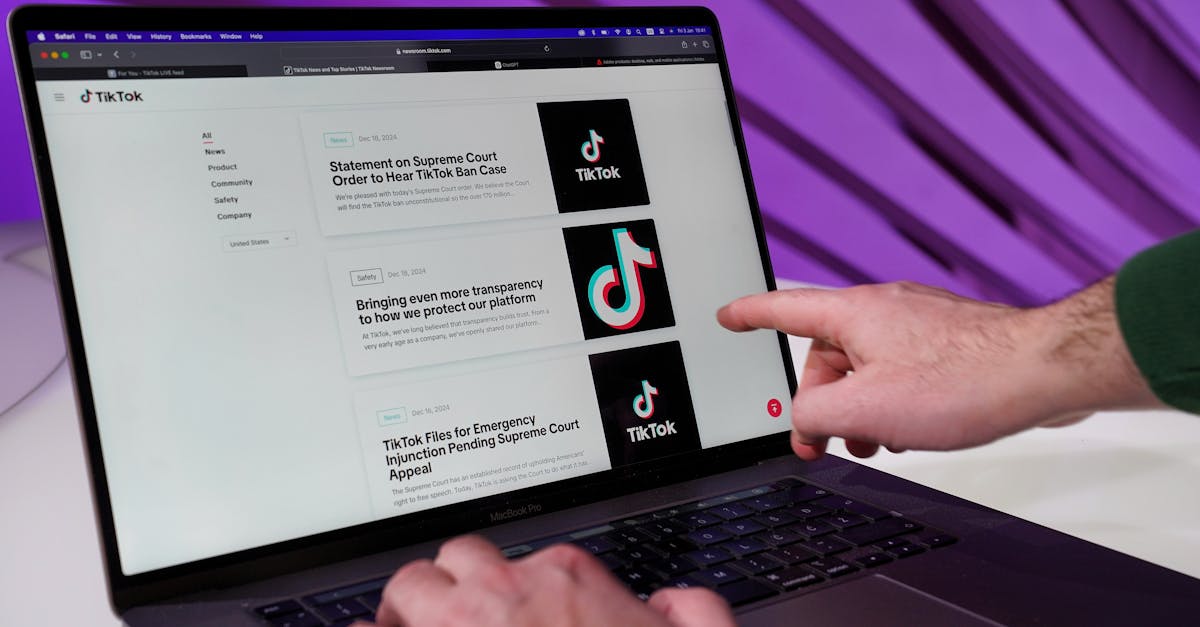
By the Numbers
Store ratings checked Sep 27, 2026. How we count
TikTok Shop is no longer just a test feature for influencers-it’s become a serious social-commerce channel for resellers in 2026. But it is not “eBay with video.” TikTok Shop has its own seller terms, prohibited-products policy, pre-owned-product requirements, returns rules, and fee language. If you sell used, vintage, open-box, or collectible inventory, those rules determine whether the platform is viable before your first video ever matters.
Unlike traditional marketplaces where you’re competing with millions of static listings, TikTok Shop lets you showcase products through video content and live streams, creating urgency and authenticity that static photos can’t match. Whether you’re an established eBay seller looking to diversify or a content creator ready to monetize, this guide covers everything you need to build a profitable TikTok Shop business.
TikTok Shop is an integrated e-commerce platform that allows sellers to list products directly within the TikTok app. Instead of linking out to external websites, customers can discover, browse, and purchase products without ever leaving TikTok-making it frictionless commerce at its finest.
2026 Policy Check Before You Source Inventory
This section was checked against TikTok Shop Seller Center pages on July 18, 2026. The headline for resellers is simple: do not assume every thrift, estate-sale, pallet, or open-box item can be listed.
| Rule area | What TikTok Shop says | Reseller action |
|---|---|---|
| Seller authorization | Sellers must complete registration and be approved before using TikTok Shop seller functionality. | Treat approval as a business setup step, not a formality. |
| Fees | TikTok Shop’s US terms say fees may include commission/transaction fees shown in Seller Center; its referral-fee update says the referral fee rose to 6% for qualified orders from April 1, 2024, with category examples showing 5%-6%. | Use Seller Center for the live rate before pricing; do not hardcode old third-party fee tables. |
| Secondhand/open-box goods | TikTok Shop’s Prohibited Products Policy says secondhand, used, and open-box products are prohibited unless approved for pre-owned and collectibles categories. | Get the relevant category qualification before listing used inventory. |
| Pre-owned apparel/fine jewelry/luxury watches | TikTok says some pre-owned categories are invite-only and all pre-owned products require authentication proof. | Save eBay/Poshmark for items you cannot qualify or authenticate. |
| Counterfeits and gray-area listings | TikTok bans counterfeit products and prohibits policy-evading product claims. | Do not list replicas, dupes, unverifiable designer goods, or unsafe recalled products. |
Useful official pages to check before listing: TikTok Shop US seller terms, referral fee update, prohibited products policy, and pre-owned products requirements.
How TikTok Shop Works for Resellers
As a TikTok Shop seller, you have multiple channels to drive sales:
Product Showcase: Create a dedicated Shop tab on your TikTok profile where followers can browse your full catalog. Products appear with images, descriptions, and prices-similar to a traditional online store.
Shoppable Videos: Tag products directly in your regular TikTok videos. When viewers tap the shopping bag icon, they can purchase instantly while watching your content.
LIVE Shopping: Go live and showcase products in real-time, answering questions and creating urgency with limited-time offers. This is where the magic happens for resellers-live selling on TikTok regularly outperforms static listings by 3-5x.
Shop Ads: Run paid TikTok ads that direct traffic to your Shop products, similar to Facebook or Instagram shopping ads.
Live Selling vs. Affiliate Model Explained
TikTok Shop offers two distinct business models that resellers can use simultaneously:
Direct Selling (Inventory-Based): You source, list, and fulfill products yourself. You control pricing, handle customer service, and ship orders. This is the traditional reselling model adapted for TikTok-think of it as your own mini QVC channel.
Affiliate Selling (Commission-Based): You promote other sellers’ TikTok Shop products through your content and earn seller-set commissions when shoppers buy through your content. No inventory, shipping, or customer service required. This works well for content creators who want to monetize without handling logistics.
Most successful resellers use a hybrid approach: selling their own inventory while also promoting complementary affiliate products to maximize revenue per follower.
Why 2026 Is the Perfect Time to Start
TikTok Shop is in its land-grab phase in the US market. The platform launched nationally in September 2023, and we’re still in early-adopter territory. Several factors make 2026 the ideal entry point:
Different Competition: You are not only competing with marketplace listings; you are competing for attention in video feeds, Shop search, creator content, and live events. That can help sellers with strong demos and hurt sellers with products that need slow, spec-heavy comparison.
Algorithmic Discovery: Unlike eBay where buyers search for what they want, TikTok’s For You Page pushes your content to interested buyers who didn’t know they needed your product. This discovery-based model levels the playing field for new sellers.
Higher Demonstration Value: Products that need styling, try-on proof, before/after proof, or live explanation can earn demand that a static marketplace listing would never generate.
Built-In Audience: You don’t need to drive external traffic through ads. TikTok’s algorithm organically distributes your content to people interested in what you’re selling.
The window won’t stay open forever. As more sellers flood in, early movers with established follower bases and algorithmic favor will have significant advantages.
TikTok Shop Requirements & Approval Process
Getting approved to sell on TikTok Shop isn’t as simple as creating an account. The platform maintains quality standards to protect buyers and preserve the shopping experience.
Business Registration Requirements
TikTok Shop requires legitimate business registration, which means you can’t operate as a casual hobbyist:
Business Entity: You need a registered business-LLC, Corporation, Sole Proprietorship, or Partnership. The platform verifies this through government databases, so “planning to register” won’t cut it.
Physical US Address: Your business must have a verifiable US address (not a PO Box for initial registration). International sellers can’t currently access TikTok Shop US, though regional versions exist globally.
Business Bank Account: Payouts go to business bank accounts only. Personal checking accounts won’t pass verification, though sole proprietors can use business accounts registered under their SSN.
Business Email: Professional email addresses (yourname@yourbusiness.com) are preferred over Gmail/Yahoo accounts, though not strictly required.
Most resellers operate as sole proprietors initially, which requires minimal paperwork and allows you to use your SSN instead of obtaining an EIN. However, LLCs provide liability protection worth considering as you scale.
Tax Documentation (EIN vs. SSN)
The tax documentation requirement confuses many new sellers:
Employer Identification Number (EIN): Obtained free from the IRS in minutes online. Required for LLCs, corporations, and partnerships. Recommended for sole proprietors planning serious volume.
Social Security Number (SSN): Acceptable for sole proprietors, but means TikTok Shop income reports directly to your personal tax return. This works fine for side hustles but complicates bookkeeping as you scale.
TikTok Shop issues 1099-K forms for sellers exceeding $600 annual sales (federal threshold as of 2024), so proper tax setup from day one prevents headaches during tax season.
Most resellers obtain EINs even as sole proprietors-it’s free, protects your SSN from unnecessary exposure, and simplifies the eventual transition to LLC status.
Product Category Restrictions
Not everything can be sold on TikTok Shop. The platform prohibits:
- Used cosmetics and skincare (new only)
- Weapons, ammunition, and tactical gear
- Tobacco, vaping products, and related accessories
- Alcohol and recreational drugs
- Live animals and certain animal products
- Prescription medications and medical devices
- Adult content and sexually suggestive items
- Counterfeit or replica goods
The key resale caveat: TikTok Shop does not automatically allow ordinary secondhand inventory. Its Prohibited Products Policy says secondhand, used, and open-box goods are prohibited unless you are approved for the relevant pre-owned or collectibles categories. That does not kill the opportunity, but it changes the workflow. A seller with approval and authentication proof can build a credible pre-owned strategy; an unapproved thrift flipper should route those items to eBay, Poshmark, Depop, Whatnot, or local marketplaces instead.
Category restrictions evolve as the platform matures. Always check current TikTok Shop Seller Policies before investing heavily in specific inventory.
Approval Timeline & Success Tips
Application processing typically takes 3-7 business days, though some sellers report waiting up to 14 days during high-volume periods. The approval process involves:
- Business Verification: TikTok cross-references your business name, address, and EIN/SSN with government databases
- Identity Confirmation: Driver’s license or passport upload for the business owner
- Content Review: The platform examines your existing TikTok account (if you have one) for policy violations
- Banking Validation: Test deposit verification to confirm account ownership
Tips to accelerate approval:
- Use a TikTok account with established history (30+ days old, some organic content) rather than brand-new accounts
- Ensure business registration documents match exactly across all platforms (spelling, abbreviations, etc.)
- Have clear, professional product photos ready to upload immediately after approval
- Join the TikTok Shop Seller Community to monitor approval status updates
If rejected, the platform provides specific reasons. Common rejection causes include mismatched business documentation, accounts with prior community guideline violations, or incomplete tax information. You can reapply after correcting issues.
TikTok Shop Fee Structure & Profit Margins
Understanding the complete cost structure determines whether TikTok Shop makes financial sense for your business model.
Current Fee Workflow
TikTok Shop’s public Seller Center language is more important than a stale fee table. Its US terms say commission and transaction fees are indicated in Seller Center and may change with notice. Its referral-fee update says the referral fee increased to 6% per qualified order starting April 1, 2024, with examples showing category rates of 5%-6%.
For a reseller, that means your pricing worksheet should use three inputs:
- Current Seller Center referral/commission rate for the exact category.
- Any transaction, affiliate, fulfillment, return, shipping, or promotional cost that applies to that order.
- Content labor: filming, editing, going live, customer messages, and returns.
Fee Breakdown Example
If Seller Center shows a 6% referral fee for your category, a $50 qualified order has a $3.00 referral fee before any other applicable costs. If you add a 20% affiliate commission, that is another $10.00. If the item also needs subsidized shipping, return allowance, or paid content support, the real margin can shrink fast.
This is why TikTok Shop can be excellent for high-margin, visually compelling, compliant products, but weak for low-margin thrift inventory that only worked because the buy price was cheap.
TikTok Shop vs. eBay vs. Whatnot Decision Table
| Decision question | TikTok Shop answer | Better alternative when the answer is no |
|---|---|---|
| Is the item new or approved for the right pre-owned/collectibles category? | Continue | eBay, Poshmark, Depop, Whatnot, Facebook Marketplace |
| Can you authenticate it if TikTok requires proof? | Continue | Authenticated luxury platforms or eBay with documentation |
| Can the product sell through video in under 30 seconds? | Strong fit | eBay or Etsy for search-heavy/technical products |
| Is margin high enough after referral fee, affiliate commission, shipping, returns, and content labor? | Strong fit | Local sale or slower marketplace listing |
| Can you replenish or replace it if content drives demand? | Strong fit | One-off items may be safer crosslisted elsewhere |
Hidden Costs: Returns, Shipping Subsidies
Lower selling fees don’t tell the complete story. Consider these additional costs:
Shipping Expectations: TikTok Shop buyers expect Amazon-like speed (2-3 day delivery). While not mandatory, slow shipping kills conversion rates and triggers negative reviews. Budget for faster shipping methods than the calculated shipping you might use on eBay.
Return Rates: Social commerce generates higher return rates than traditional marketplaces because buyers purchase impulsively while scrolling rather than deliberately shopping for specific items. Plan for 10-15% return rates vs. 5-8% on eBay.
Content Creation Costs: Unlike eBay’s static listing model, TikTok Shop requires ongoing video content. Whether you’re investing time or hiring video editors, content creation represents real cost.
Promotional Offers: The platform encourages promotional pricing, flash sales, and discounts to drive engagement. While optional, sellers who refuse to discount typically underperform competitors.
Smart resellers factor these costs into pricing strategy rather than treating them as unexpected expenses. A $50 item might generate $40.25 after fees, but after accounting for shipping subsidies, returns, and content creation time, true profit might be $32-35.
Best Products to Sell on TikTok Shop
Not all resale inventory performs equally on TikTok Shop. The platform’s algorithm and audience favor specific product characteristics.
Fashion & Streetwear (Viral Trend Sensitivity)
TikTok Shop’s fashion category dominates sales volume because the platform excels at showcasing visual transformation and style inspiration. What works:
Trendy Aesthetics: Y2K fashion, “clean girl” minimalism, coastal grandmother-whatever’s trending on #FashionTikTok directly translates to shopping behavior. Monitor viral aesthetics and source accordingly.
Try-On Friendly: Items that look dramatically different when worn vs. on hangers perform exceptionally well. Vintage oversized blazers, unique dresses, and statement pieces benefit from live try-on demonstrations.
Affordable Luxury: Designer pieces at accessible price points ($30-150) hit the sweet spot between aspirational and impulse-purchasable. Think Coach bags, Seven jeans, and contemporary brands rather than Hermès or Chanel.
Size Inclusivity: TikTok’s audience demands representation. Sellers offering extended sizing (both plus and petite) gain algorithmic favor and tap underserved markets.
The best fashion resellers don’t just sell vintage clothes-they sell transformations, styling ideas, and access to exclusive aesthetics. Your content should answer “how would I style this?” before the viewer even asks.
Beauty & Skincare (Amazon Overstock Arbitrage)
New beauty products can present arbitrage opportunities, but used cosmetics are prohibited and health/beauty claims are tightly policed:
Amazon Overstock: Liquidation pallets from Amazon returns often include unopened, unexpired beauty products at 20-30% of retail. Verify expiration dates and packaging integrity before reselling.
K-Beauty & J-Beauty: Asian beauty products unavailable in US retail stores generate strong interest from TikTok’s beauty community. Source from YesStyle, Stylevana, or direct from South Korea/Japan.
Indie Brands: Small beauty brands lack retail distribution but have cult followings. Becoming the go-to reseller for specific indie products builds loyal audiences.
Beauty on TikTok Shop works because viewers trust peer recommendations over traditional advertising. A genuine review of The Ordinary serums from a real person outperforms professional brand marketing.
Home Organization & Gadgets
The #CleanTok and #OrganizationTok communities drive substantial commerce:
Storage Solutions: Acrylic organizers, drawer dividers, closet systems-anything that creates satisfying before/after transformations.
Kitchen Gadgets: Unique cooking tools that seem almost magical (vegetable choppers, pasta makers, specialty appliances) perform exceptionally well.
Small Space Solutions: Urban millennials living in apartments love space-saving innovations.
The key to home goods success is demonstrating the product in action. Static photos don’t convert; 30-second clips of chaos transforming into organization do.
Vintage & Curated Collections
TikTok Shop rewards curation and storytelling:
Themed Collections: Instead of random vintage pieces, create cohesive collections (“1970s Bohemian,” “90s Minimalism”) that allow customers to buy into a complete aesthetic.
Rare Finds: One-of-one vintage pieces with interesting provenance stories. TikTok audiences pay premiums for uniqueness and authenticity narratives.
Sustainable Angle: Position vintage selling through environmental sustainability lens. Gen Z consumers align values with purchases.
The most successful vintage sellers treat their shop like a boutique gallery rather than a thrift store inventory dump. Quality over quantity, always.
What NOT to Sell (Saturated Categories)
Avoid these overcrowded, low-margin categories:
Generic Phone Cases: Thousands of sellers offering identical AliExpress products in pricing races to the bottom.
Mass-Market Fast Fashion: Shein, Forever 21, Fashion Nova items lack uniqueness and compete purely on price.
Commodity Tech Accessories: USB cables, phone chargers, and generic electronics with zero differentiation.
Overly Niche Collectibles: Your Pokemon card collection might be valuable, but TikTok Shop’s discovery algorithm works best with broader appeal products. Save ultra-niche items for eBay where dedicated collectors actively search.
The general rule: if your product requires detailed knowledge to appreciate (rare coins, specific collectible variants), stick to traditional marketplaces. TikTok Shop rewards instant visual appeal and emotional connection.
Setting Up Your TikTok Shop Storefront
Your storefront is your digital retail space. Optimization directly impacts conversion rates.
Shop Name & Branding Strategy
Choose a shop name that balances discoverability with brandability:
Avoid Generic Terms: “Vintage Clothes Shop” lacks personality and gets lost in search results.
Incorporate Keywords Strategically: “RetroThread Vintage” signals category while remaining memorable.
Consider Cross-Platform Consistency: If you sell on eBay, Poshmark, and Instagram, consistent naming builds brand recognition across channels.
Leave Room to Expand: Don’t lock yourself into “JustDenimVintage” if you might eventually diversify into full vintage clothing.
Your shop profile should include a professional bio (150 characters max) that communicates value proposition clearly: “Curated 90s & Y2K vintage | Daily new arrivals | Authentic designer pieces under $100.”
Product Photography Requirements
TikTok Shop mandates minimum technical standards:
- Minimum 500 x 500 pixels (recommend 1080 x 1080 for quality)
- White or clean backgrounds (lifestyle photos work for supplementary images)
- No watermarks, text overlays, or promotional graphics
- Square aspect ratio (1:1) for main product image
Best practices beyond requirements:
- Shoot in natural light near windows for accurate color representation
- Include detail shots (zippers, labels, any flaws) to reduce SNAD (Significantly Not As Described) returns
- Show scale reference (your hand holding small items, person wearing clothing)
- Use consistent background/lighting across your shop for professional cohesion
Remember: your product photos primarily serve the storefront browsing experience. Video content (posts and lives) drive most traffic, but professional photos close the sale.
Writing Conversion-Optimized Descriptions
TikTok Shop descriptions differ from eBay’s keyword-stuffing approach:
Lead with Benefits: “This vintage Levi’s jacket features premium denim construction and oversized 90s fit-perfect for layering over your favorite band tee” beats “Levi’s denim jacket size Large vintage.”
Include Measurements: Bust, waist, length, and material composition prevent sizing-related returns.
Tell Stories When Relevant: “Estate sale find from a Pacific Northwest photographer’s collection” creates emotional connection.
Use Formatting: Short paragraphs, bullet points, and emojis improve mobile readability.
Incorporate Keywords Naturally: TikTok Shop uses internal search, so including searchable terms (brand names, styles, eras) helps discoverability without keyword spam.
Most buyers skim rather than read thoroughly, so front-load critical information: size, condition, material, measurements.
Pricing Strategy for Social Buyers
TikTok Shop pricing psychology differs from patient eBay auction buyers:
Price for Impulse Purchases: $25-75 represents the sweet spot for spontaneous mobile buying. Items above $150 see dramatically lower conversion rates.
Build Value Perception: Instead of pricing at $35, use $38 to avoid “discount bin” associations while remaining accessible.
Create Urgency Without Gimmicks: “Only 1 available” naturally drives scarcity. Artificial countdown timers feel manipulative.
Use Live Sale Discounts: Regular price $45, live sale price $38 rewards live viewers without devaluing your storefront inventory.
Monitor Competitor Pricing: TikTok Shop shows similar items in the product detail view. Being slightly cheaper on comparable items helps conversions, but don’t hemorrhage margins trying to maintain lowest price.
Test pricing strategies with data. Your vintage denim might perform better at $42 than $35 simply because the higher price signals higher quality to buyers unfamiliar with condition grading.
TikTok Shop Live Selling Strategies
Live selling separates casual TikTok Shop sellers from six-figure earners. Real-time interaction creates urgency, builds community, and generates emotion-driven purchases that far exceed static listing performance.
Going Live: Equipment & Setup
Basic equipment requirements are minimal, but quality improvements drive significant results:
Minimum Setup ($100-200):
- Modern smartphone (iPhone 11 or newer, Samsung S10+)
- Ring light ($30-50 on Amazon)
- Phone tripod with adjustable height
- Stable WiFi connection (hardwired ethernet to your router ideal)
Professional Setup ($500-1000):
- DSLR camera or mirrorless setup
- Elgato Cam Link (connects camera to streaming software)
- LED panel lighting (2-light setup for even illumination)
- External microphone (Rode VideoMic or similar)
- Streaming software (OBS or Streamlabs for multi-camera angles)
Space Setup:
- Dedicated background (clean wall, branded backdrop, or organized inventory display)
- Product staging area within arm’s reach
- Adequate lighting to eliminate shadows on products
- Minimal background distractions (no clutter visible)
For resellers starting out, smartphone plus ring light works perfectly. Upgrade only after validating that live selling drives meaningful revenue for your specific products.
Scripting Your Live Sells
Successful live sellers balance structure with authenticity:
Opening (First 3 minutes): Welcome viewers by name as they join, explain today’s special focus (new vintage arrivals, clearance flash sale, designer handbag showcase), and establish the purchasing process. Example: “Hey everyone! Welcome to Retro Revive Vintage. Today we’re going through 40+ new arrivals from this weekend’s estate sales. Drop 🔥 emoji if you see something you love, and I’ll create a direct link for checkout.”
Product Presentations (5-7 minutes per item):
- Show item from multiple angles
- Try on or demonstrate (clothing, shoes)
- Point out unique details (vintage labels, condition, special features)
- Provide measurements and sizing guidance
- Share sourcing story when interesting
- Monitor comments and answer questions in real-time
- Create urgency: “This is the only one I have, so once it’s gone, it’s gone”
Engagement Tactics Throughout:
- Call out viewers by username: “Hey Sarah! Thanks for joining again!”
- Ask questions: “Would you style this with denim or a skirt?”
- Respond to every comment (builds parasocial connection)
- Acknowledge repeat customers: “This is Maria’s third purchase this month!”
Closing (Last 5 minutes): Recap top items still available, preview next live date/time, thank viewers by name, and encourage follows for live notifications.
Creating Urgency Without Being Pushy
The line between effective urgency and aggressive sales tactics is thin:
✓ Effective Urgency:
- “I only brought six pieces for this live-once they’re sold, we’re moving on”
- “This just came in, I haven’t even listed it in the shop yet”
- “Last one in this size…” when genuinely true
✗ Manipulative Tactics:
- Fake countdown timers
- “I have someone messaging me about this right now” lies
- Artificial scarcity (“only 2 left!” but you have 20)
TikTok audiences are savvy enough to spot manipulation. Genuine scarcity (you legitimately have one vintage Levi’s jacket in size large) creates authentic urgency. Manufacturing fake scarcity damages credibility and leads to unfollows.
Building a Consistent Live Schedule
Consistency trains your audience when to expect you:
Frequency: Successful sellers typically go live 3-7 times weekly. More frequent lives build habit and community but risk burnout. Find sustainable rhythm.
Timing: Experiment with different time slots to find when your audience is available:
- Evenings (6-9pm local) work well for after-work browsing
- Weekend mornings (9-11am Saturday/Sunday) catch leisurely scrollers
- Tuesday/Wednesday evenings often outperform Monday (work stress) and Friday (plans)
Duration: Most effective lives run 45-90 minutes. Shorter feels rushed; longer leads to viewer drop-off. Break extensive inventory into multiple shorter lives rather than marathon sessions.
Consistency: Going live “whenever you feel like it” prevents habit formation. Pick specific days and stick to them. “Every Tuesday and Thursday at 7pm” builds audience anticipation.
Announce your schedule in your bio, post reminder videos before going live, and start promptly. Viewers who show up at 7pm expecting you shouldn’t find you starting at 7:15pm.
Engagement Tactics That Drive Sales
The best live sellers understand they’re entertainers as much as merchants:
Personality Over Perfection: Viewers connect with authentic personalities making occasional mistakes over robotic product presentations. Be yourself.
Storytelling: “I found this at an estate sale in a 1920s craftsman home in Oregon. The original owner was a professor who traveled extensively in the 60s…” creates emotional connection.
Community Building: Use polls (“Should I list this vintage Coach bag for $45 or $50?”), celebrate milestones (“We just hit 500 followers!”), and create insider jokes with repeat viewers.
Giveaways: Monthly giveaways for followers who attend multiple lives build loyalty. Nothing elaborate-a $20 vintage find creates excitement without destroying margins.
Multi-Product Bundles: “I’ll do free shipping if you buy two pieces tonight” increases average order value while providing real value.
The sellers making $10K+ monthly on TikTok Shop aren’t just moving inventory-they’re building communities of people who genuinely enjoy hanging out during lives and happen to buy things.
TikTok Shop Affiliate Program for Resellers
The affiliate model lets you generate revenue from products you never touch.
How the Affiliate Model Works
TikTok Shop affiliates promote other sellers’ products through shoppable content:
- Browse TikTok Shop Creator Center to find products accepting affiliate promotion
- Apply to promote specific items (sellers can approve/deny)
- Create content (regular posts or lives) featuring the product with affiliate link
- Earn commission (set by seller, typically 10-30%) when viewers purchase through your link
- Commission paid out alongside your regular seller payouts
This works exceptionally well for content creators with strong followings but limited interest in inventory management, shipping, and customer service headaches.
Setting Commission Rates for Affiliates
When you’re the seller, you control affiliate commission rates:
Standard Rates:
- 10-15%: Established products with strong organic demand
- 20-25%: New products needing visibility boost
- 30%+: High-value items or products with expensive acquisition costs
Strategic Considerations: Higher commission attracts more affiliates (more content creators making videos about your products), but cuts into your margins. Calculate carefully:
$50 jacket with a 6% referral fee has $3.00 in referral fee before any other applicable costs. Add a 20% affiliate commission ($10), shipping subsidy, returns allowance, and content labor, and the margin can disappear quickly. If the jacket is pre-owned, you also need the correct pre-owned category approval and authentication proof before listing it on TikTok Shop.
Most resellers use tiered strategies:
- Low commission (10%) on high-demand, low-margin items
- High commission (25-30%) on unique, high-margin pieces where affiliate exposure justifies cost
Finding TikTok Creators to Promote Your Products
Don’t wait for creators to discover you-proactively recruit affiliates:
Creator Marketplace: TikTok’s official platform for connecting sellers with creators. Search by niche, audience size, engagement rate, and past performance.
Manual Outreach: Identify micro-influencers (10K-100K followers) in your niche who already create relevant content. Send professional collaboration proposals via DM.
Niche Communities: Join TikTok Shop seller/affiliate Facebook groups and Discord communities where creators look for products to promote.
Your Own Customers: Your best affiliates are satisfied customers who already love your products. Invite repeat buyers to your affiliate program.
Micro-influencers (10K-50K followers) often deliver better ROI than massive accounts (500K+) because their audiences are highly engaged niche communities rather than passive scroll-zombies.
Maximizing Affiliate-Driven Revenue
Treat affiliates as partners, not mercenaries:
Provide Resources: Supply affiliates with professional photos,product specs, compelling angles, and sizing charts. Make their job easier.
Performance Bonuses: “Top-selling affiliate this month gets first access to new inventory” creates friendly competition.
Relationship Building: Personally thank affiliates who drive sales. Consider sending free product samples for them to feature.
Data Sharing: Show affiliates which of your products are converting best so they can focus efforts on proven winners.
The most successful sellers build rosters of 20-30 micro-affiliates consistently promoting their products, generating thousands in revenue from content they never created.
Building Your TikTok Audience from Zero
Without followers, even perfect products languish unsold. Audience-building must be deliberate.
Content Strategy: Educational vs. Entertainment
TikTok rewards value-provision, which takes two primary forms:
Educational Content:
- How to style vintage pieces for modern wardrobes
- Thrift store sourcing tips
- How to identify authentic designer items
- Sizing guides and fit explanations
Educational content establishes expertise and authority. Viewers return because they learn something valuable, building trust that translates to purchases.
Entertainment Content:
- Thrift haul reveals (“you won’t believe what I found for $3!”)
- Transformation videos (wrinkled thrift find → styled outfit)
- Humorous takes on reselling life
- Behind-the-scenes shipping chaos
Entertainment content drives virality and reach. While educational content converts your existing audience, entertainment content expands it.
The best accounts blend both: educational content that’s also entertaining. A video teaching how to spot authentic vintage Levi’s that’s presented humorously gets watch time, shares, and authority-building simultaneously.
Posting Frequency & Best Times
The algorithm rewards consistency:
Frequency: Minimum 3-4 posts per week. Daily posting (1-2 videos) maximizes algorithmic favor, but only if quality remains high. One excellent video beats three mediocre ones.
Timing: TikTok’s algorithm eventually shows your content to relevant viewers regardless of post time, but initial momentum matters:
- 6-9am: Early morning scrollers (before work/school)
- 12-2pm: Lunch break browsers
- 6-11pm: Peak evening consumption
- Saturday/Sunday 9am-12pm: Leisurely weekend scrolling
Test different times and analyze your TikTok analytics to identify when your specific audience is most active.
Content Batching: Film 5-10 videos in single sessions, then schedule them throughout the week. This prevents daily filming pressure while maintaining consistent posting.
Using TikTok Trends to Promote Products
Trend-jacking accelerates reach when done strategically:
Trending Sounds: Using currently viral audio clips increases the likelihood TikTok shows your video to broader audiences. Browse your For You Page daily to identify trending sounds relevant to reselling.
Trending Formats: When “get ready with me” or “day in the life” formats go viral, adapt them to reselling: “Get ready with me to ship 30 packages” or “Day in the life of a vintage reseller.”
Product Integration: The key is natural integration. Force-fitting your vintage jacket into an unrelated trending dance looks desperate. Instead, wait for trends that authentically align with your products.
Timeliness: Trends have short lifecycles (1-3 weeks typically). Jump on trends in their growth phase, not after saturation.
Don’t chase every trend-chase trends that align with your brand. Selective trend participation demonstrates you’re current without seeming desperate.
Hashtag Strategy for Discovery
Hashtags help TikTok categorize content and connect with niche communities:
Balanced Approach (use 3-5 hashtags total):
- 1-2 broad hashtags: #vintage #thrifted #reseller (massive reach, low conversion)
- 2-3 niche hashtags: #90svibes #vintagelevi’s #y2kfashion (smaller reach, higher relevance)
- 1 community hashtag: #tiktokshopfinds #tiktokshopping (connects to buyer networks)
Avoid:
- Overloading 20+ hashtags (looks spammy, dilutes message)
- Completely irrelevant hashtags (#fashion on every video regardless of content)
- Banned or shadowbanned hashtags (research current status-these change)
Hashtags serve discoverability for new audiences. Once you have established followers, quality content matters more than hashtag optimization.
TikTok Shop Logistics & Fulfillment
Superior logistics separate good sellers from great ones in customer satisfaction.
Shipping Speed Requirements (2-3 Day Expectations)
TikTok Shop doesn’t mandate specific shipping timeframes like Amazon Prime, but customer expectations mirror Amazon’s influence:
Handling Time: List realistic handling times (1-3 business days), then beat them. Under-promise, over-deliver.
Shipping Method: USPS Ground Advantage (2-5 days) works for items under 1 lb. USPS Priority Mail (2-3 days) should be standard for items over 1 lb or when you want to exceed expectations.
Tracking Upload: Upload tracking information within 24 hours of purchase. TikTok Shop penalizes late tracking uploads in seller metrics, and buyers get anxious without tracking.
Weekend Considerations: Thursday and Friday orders often ship Monday, creating 3-4 day delays before tracking shows movement. Consider printing labels Friday and dropping off Saturday at USPS hubs that accept weekend packages.
Speed directly correlates to positive reviews. A vintage jacket that arrives in 2 days generates “Amazing seller! Super fast shipping!” reviews that boost social proof.
Seller Fulfilled vs. TikTok Fulfilled (Coming Soon)
Currently, all TikTok Shop US orders are seller-fulfilled (you handle storage, packing, and shipping). However, TikTok is testing fulfillment services similar to Amazon FBA:
Seller Fulfilled (Current Standard):
- Pros: Full control over packing quality, inventory access, lower costs
- Cons: Time-intensive, requires storage space, vulnerable to shipping mistakes
TikTok Fulfilled (Limited Beta 2026):
- Pros: TikTok stores inventory, packs/ships orders, handles returns, faster delivery
- Cons: Storage fees, loss of inventory control, minimum volume requirements
For resellers selling one-of-one vintage items, seller fulfillment will likely remain preferable. For resellers moving high volumes of similar items, fulfillment services could free time for sourcing and content creation.
Monitor TikTok Shop announcements about fulfillment expansion. Early adopters of new platform features often receive preferential algorithmic treatment.
Returns Management & Customer Service
TikTok Shop’s return policies balance buyer protection with seller sanity:
Mandatory 30-Day Return Window: All TikTok Shop orders qualify for returns within 30 days of delivery. Sellers cannot opt out.
Return Shipping: Sellers can offer free return shipping or require buyers to pay return shipping. Free returns improve conversion rates but increase costs.
Restocking Fees: Not allowed on TikTok Shop. You cannot charge buyers restocking fees for returns.
Return Processing: You have 2 business days to issue refunds after receiving returned items. Delays harm seller metrics.
Best Practices:
- Inspect returned items immediately upon receipt
- Document damage if item returns damaged differently than sent
- Issue refunds promptly even if frustrated-negative feedback hurts more than refund cost
- Consider partial refunds (10-20%) when buyers want to keep items with minor issues they didn’t notice in photos
Return rates on TikTok Shop typically run 10-15%, higher than eBay’s 5-8% due to impulse purchasing behavior. Budget accordingly.
International Shipping Considerations
TikTok Shop US currently restricts sellers to domestic shipping only. You cannot offer international shipping options through the platform.
This limitation matters because:
- Canadian buyers frequently attempt to purchase
- Overseas collectors interested in American vintage cannot access your shop
- You forfeit international revenue opportunities available on eBay
For resellers with inventory that appeals to international markets (American vintage denim popular in Japan, certain designer goods popular in Europe), maintain eBay or Grailed presence for international sales while using TikTok Shop for domestic buyers.
TikTok Shop Analytics & Performance Tracking
Data separates guesswork from strategy.
Understanding Your Seller Dashboard
TikTok Shop provides a complete Seller Center dashboard tracking:
Revenue Metrics:
- GMV (Gross Merchandise Value): Total sales before fees/returns
- Net Revenue: Actual money you keep after fees and refunds
- Average Order Value: Revenue per transaction
Traffic Metrics:
- Product Views: How many times listings were viewed
- Shop Visits: Unique visitors to your storefront
- Traffic Sources: Whether viewers came from your videos, affiliates, TikTok search, or external
Conversion Metrics:
- Conversion Rate: Percentage of viewers who purchase
- Add-to-Cart Rate: Percentage who add items but don’t complete checkout
Performance Metrics:
- Customer Satisfaction Score: Based on reviews and complaint rates
- Shipping Performance: On-time shipping rate
- Response Rate: How quickly you respond to customer messages
Check these metrics weekly minimum. Monthly reviews identify trends that daily fluctuations obscure.
Key Metrics: GMV, Conversion Rate, Click-Through Rate
Focus on these three metrics for business health:
GMV (Gross Merchandise Value): Raw sales volume before any deductions. While not profit, GMV indicates market demand and growth trajectory. Track month-over-month GMV growth.
Conversion Rate: Visitors who actually purchase. TikTok Shop conversion rates typically range 1-5%. If yours sits below 1%, your pricing is too high, product photos are poor, or descriptions lack clarity. Above 5% suggests you might be underpricing.
Click-Through Rate (CTR): Percentage of people who click from your video content to product pages. High CTR (5%+) means your content effectively drives interest. Low CTR suggests content isn’t compelling or doesn’t clearly showcase products.
Relationship Between Metrics:
- High traffic + low CTR = content isn’t shoppable enough
- High CTR + low conversion = pricing or product pages need work
- Low traffic + high conversion = your audience is dialed in; focus on expanding reach
Using Data to Optimize Product Mix
Analytics reveal what sells and what doesn’t in your specific niche:
Best Sellers Analysis: Which items generate most revenue? Is it lowest-priced impulse items or higher-ticket pieces? Double down on whatever’s working.
Slow Movers: Items listed 30+ days with low views need one of three interventions:
- Price reduction (testing if price is the barrier)
- Better content (improved photos or dedicated video)
- Removal (some items don’t fit your audience-sell them elsewhere)
Seasonality Tracking: Are sales higher in certain months? Do specific products sell better at certain times? Historical data informs future inventory buying.
Audience Demographics: TikTok shows audience age, gender, and location data. If 70% of your buyers are women aged 25-34 in California, source inventory that appeals to that specific demographic.
Data-driven inventory decisions prevent buying $500 in inventory that doesn’t match your actual customer base’s preferences.
Tracking ROI Across Platforms
Before adding another sales channel, use the where to sell online comparison before adding TikTok Shop.
If you sell on multiple platforms, compare performance:
Platform ROI Formula: (Net Profit / Time Invested) = Hourly Return
Example Calculation:
- TikTok Shop: $2,000 monthly net profit, 40 hours invested (filming, editing, lives, shipping) = $50/hour
- eBay: $1,500 monthly net profit, 20 hours invested (listing, shipping, no content creation) = $75/hour
While eBay generates higher hourly return in this example, TikTok Shop offers scalability eBay doesn’t-your content reaches new audiences continuously, while eBay requires active listing creation.
The optimal strategy for many resellers becomes: maintain eBay for steady cash flow, invest in TikTok Shop for growth and audience building.
Calculate Your Real Profits Instantly
Compare TikTok Shop fees against eBay, Mercari, and Poshmark with Underpriced’s Fee Calculator. See exactly which platform maximizes your margins.
Crosslisting Strategy: TikTok Shop + Traditional Marketplaces
Most successful resellers use TikTok Shop as part of a multi-platform strategy, not a replacement for established marketplaces.
Inventory Management Across Platforms
Crosslisting the same item on TikTok Shop, eBay, and Poshmark simultaneously risks the nightmare scenario of selling the same item twice. Prevention strategies:
Manual Tracking: Spreadsheet listing item, platforms listed, and status (available/sold/pending). Labor-intensive but free.
Crosslisting Software: List Perfectly, Vendoo, Crosslist, or Flyp can help manage inventory across platforms, but verify whether each tool currently supports TikTok Shop for your account and workflow. A tool that delists eBay and Poshmark automatically but leaves TikTok manual still needs a same-day sold-item process.
Platform Prioritization: List high-value or unique items on one platform exclusively. Reserve crosslisting for inventory where duplicates exist or replacement is easy.
Immediate Delisting Protocol: When an item sells, immediately delist from all other platforms before packing. Don’t rely on memory.
For sellers moving 50+ items monthly across multiple platforms, crosslisting software subscriptions pay for themselves in time saved and errors prevented.
Pricing Differences by Platform
Different platforms justify different price points due to fee structures and audience expectations:
TikTok Shop: Can sometimes price below eBay while maintaining similar net profit, but only after current Seller Center fees, affiliate commission, shipping, returns, and content labor are included. Video content, not fee math alone, drives sales velocity.
eBay: Slightly higher pricing acceptable due to eBay’s massive search traffic and serious buyer base conducting deliberate shopping.
Poshmark: Highest pricing necessary to offset 20% fees. However, Poshmark buyers expect negotiation, so price 15-20% above target sale price.
Example - Vintage Levi’s Jacket:
- TikTok Shop: $42 (aggressive pricing, rely on content to drive urgency)
- eBay: $48 (captures search traffic from serious vintage buyers)
- Poshmark: $58 (Expect offers; likely sells for $45-50 after negotiation)
This tiered pricing maximizes total revenue across platforms while respecting each platform’s dynamics.
When to TikTok Shop Exclusive vs. Multi-Platform
Some inventory performs better with platform-specific strategies:
TikTok Shop Exclusive (optimal for):
- Highly visual, trend-sensitive items (Y2K fashion, viral aesthetics)
- Items that benefit from video demonstration
- Products with storytelling angles
- Items you can quickly replenish if demand exceeds supply
Multi-Platform (optimal for):
- One-of-one items maximizing exposure across all buyer pools
- High-value items ($100+) where eBay’s collector base provides backup if TikTok Shop doesn’t bite
- Commodity items (books, DVDs, common vintage) where listing time is minimal
eBay Exclusive (optimal for):
- Ultra-niche collectibles with dedicated collector bases
- Items requiring detailed technical specifications
- International buyers (TikTok Shop is US-only currently)
- High-value items where auction format might drive competitive bidding
Let product characteristics and your time availability dictate strategy rather than rigid rules.
Using Crosslisting Software
Investment in crosslisting tools makes sense at specific volume thresholds:
List Perfectly ($20/month): Best for beginners managing 50-150 active listings across 3-4 platforms. Simple interface, TikTok Shop integration in beta.
Vendoo ($30-50/month): Industry standard for resellers with 200+ listings. Superior inventory syncing, crosslisting templates, solid TikTok Shop integration.
Flyp ($20-40/month): Strong mobile app for resellers listing primarily from phones rather than desktop computers.
Most platforms offer free trials. Test before committing, ensuring TikTok Shop integration works smoothly (some platforms added TikTok Shop support recently and bugs still exist).
For sellers under 50 active listings, manual management or platform-specific tools (eBay’s Turbo Lister, Poshmark’s app) remain more cost-effective than subscription software.
Common TikTok Shop Mistakes & How to Avoid Them
Learn from others’ expensive errors.
Oversaturating with Low-Quality Products
The temptation to list everything you source hurts more than it helps:
The Problem: Your TikTok Shop storefront becomes a digital messy thrift store. Customers can’t identify your aesthetic or niche, diluting your brand.
The Solution: Curate ruthlessly. Not every thrift store find belongs on TikTok Shop. Save lower-quality or off-brand items for eBay, Facebook Marketplace, or donation. Your TikTok Shop should represent your brand’s best 40-60% inventory.
Quality Threshold: Would you personally be excited to wear/use this product? If the answer is “eh, someone might want it,” list it elsewhere.
Ignoring TikTok’s Community Standards
TikTok Shop exists within TikTok’s broader platform subject to community guidelines:
The Problem: Sellers assume eCommerce content gets immunity from content moderation. Videos can still be flagged, removed, or result in account restrictions affecting your shop.
Common Violations:
- Excessive skin exposure modeling clothing (TikTok is more conservative than Instagram)
- Copyrighted music in product videos (use TikTok’s commercial music library)
- Misleading claims about product benefits (especially beauty/health items)
The Solution: Review TikTok’s Community Guidelines and Creator Marketplace policies. When in doubt, err conservative. An account ban loses your entire audience and sales history.
Poor Live Selling Energy/Presentation
Live selling is performance art, not just product displays:
The Problem: Sellers go live with low energy, poor lighting, and unenthusiastic presentations. Viewers click away within seconds.
The Solution:
- Caffeinate appropriately before lives (genuinely)
- Smile and project enthusiasm even if only 3 viewers are watching
- Practice presentations beforehand so descriptions flow naturally
- Test lighting and audio before going live, not after viewers arrive
Viewers can buy from static listings anytime. They attend lives for entertainment and connection. Bring energy.
Not Investing in Content Creation
Operating TikTok Shop requires content investment:
The Problem: Sellers list products then wonder why nothing sells. TikTok Shop is not eBay-passive listings don’t generate sales.
The Solution: Budget time (2-3 hours weekly minimum) or money ($200-500 monthly for video editor) for content creation. Without regular content feeding the algorithm, your shop remains invisible.
Minimum Viable Content Schedule:
- 3-4 product showcase videos per week
- 2-3 live selling sessions per week
- 1-2 behind-the-scenes or educational videos per week
Content creation isn’t optional overhead-it’s the core business model. If you don’t want to make videos, TikTok Shop isn’t your platform.
Scaling Your TikTok Shop Business
Once you’ve validated the model (consistent $2K+ monthly revenue), scaling requires systems.
Hiring VAs for Customer Service
As order volume increases, customer service demands can overwhelm:
When to Hire: When responding to messages and handling issues consumes 10+ hours weekly, preventing you from sourcing inventory or creating content.
What to Outsource:
- Responding to pre-sale questions about sizing, shipping, availability
- Uploading tracking numbers
- Processing returns and refund requests
- Basic complaint resolution
Where to Find VAs: Upwork, Fiverr, or Philippines-specific platforms like OnlineJobs.ph (virtual assistants in Philippines typically cost $4-8/hour for customer service work).
What NOT to Outsource: Creative content creation, live selling (initially-some sellers eventually hire on-camera talent), complex problem resolution requiring deep product knowledge.
Start with 10-15 hours monthly, paying for specific tasks. Evaluate ROI before expanding to full-time support.
Batch Content Creation Systems
Content creation bottlenecks business growth. Batching creates efficiency:
Monthly Content Sprint:
- Film 40-60 product videos in 2-3 marathon shooting days
- Capture multiple angles, try-ons, and detail shots for each product
- Edit videos in batches (dedicate one day to editing all filmed content)
- Schedule posts throughout the month using TikTok’s scheduling feature
Content Templates: Create repeatable formulas:
- Template A: Product reveal (bag/box opening → item showcase → try-on/styling)
- Template B: Educational (common question → expert answer → product demonstration)
- Template C: Entertainment (funny observation about reselling → transition to product)
Templates allow faster production without appearing repetitive to viewers who don’t watch every video.
Building a Product Launch Calendar
Regular “releases” create anticipation exceeding random sporadic listings:
Weekly Drops: “New Arrivals Every Tuesday at 7pm” trains your audience when to expect fresh inventory, driving consistent live attendance.
Thematic Collections: “90s Denim Month” or “Vintage Band Tee Bonanza” creates focused content angles and FOMO.
Pre-Launch Teasers: Post sneak peeks of upcoming products (“Estate sale haul reveal Monday!”) building anticipation.
Restock Announcements: When popular items return to inventory, announce as special events rather than quiet relists.
Product launch calendars transform inventory management from reactive (listing when you get around to it) to strategic (building hype that drives sales velocity).
Reinvesting Profits Strategically
The difference between $2K/month sellers and $10K/month sellers is often strategic reinvestment:
Inventory Expansion (Priority 1): First profits should fund larger inventory buys, enabling better per-unit costs and more consistent new arrivals.
Content Quality (Priority 2): Upgrading lighting, camera equipment, and potentially hiring video editors improves conversion rates more than most sellers expect.
Advertising (Priority 3): TikTok Shop offers promoted listings and TikTok ads. Small budget testing ($100-200 monthly) can identify high-ROI promotional opportunities.
Education (Priority 4): Courses, coaching, or conferences teaching reselling strategies, auction procurement, or authentication skills compound over time.
What NOT to Prioritize: Fancy packaging, high-end photography studios, or expensive branded materials before you’ve validated demand for your inventory and content style.
Operating Examples to Model
Use these as planning patterns, not revenue promises.
Approved Pre-Owned Apparel Seller
Inventory fit: Qualified seller account, authenticated pre-owned apparel, tight aesthetic, and enough repeatable product flow to keep content fresh.
Operating system:
- Batch-film try-ons and detail videos for each weekly drop.
- Keep measurements, flaw photos, and authentication proof attached to the listing before promotion.
- Price from net payout, not gross sale price: referral fee, affiliate commission, shipping, returns, and content labor all count.
- Crosslist backup inventory on eBay or Poshmark only if the sold-item delist workflow is immediate.
What makes it work: The product is visual, the seller is qualified for pre-owned inventory, and viewers can understand fit/style quickly from video.
New Overstock and Shelf-Pull Seller
Inventory fit: New, unopened, compliant products from liquidation, wholesale, or retail closeout channels.
Operating system:
- Check prohibited and restricted categories before buying a pallet or case pack.
- Keep invoices, lot manifests, and expiration-date proof where category rules demand it.
- Demonstrate product use in videos, but avoid medical, beauty, or performance claims you cannot substantiate.
- Route slow, technical, or spec-heavy items to eBay, Amazon FBM, or local sale instead of forcing them through TikTok content.
What makes it work: The items avoid the pre-owned approval problem, and repeatable supply lets one successful video support more than a single unit.
Find Winning Products Faster with AI
Skip the guesswork. Underpriced’s AI analysis tool scans sold listings across all platforms to identify trending products perfect for TikTok Shop.
Frequently Asked Questions
Can I sell used items on TikTok Shop?
Only if you are approved for the applicable pre-owned or collectibles category and can meet TikTok Shop’s proof requirements. TikTok Shop’s Prohibited Products Policy says secondhand, used, and open-box products are prohibited unless approved. Its Pre-Owned Products Requirements page also says Pre-Owned Apparel, Fine Jewelry, and Luxury Watches are invite-only categories, and all pre-owned products need proof of authentication through an approved third-party service or in-house authentication.
That makes TikTok Shop different from eBay or Poshmark. Do not list random thrift clothing, used cosmetics, opened electronics, safety gear, baby safety products, helmets, or luxury goods unless the policy path is clear and your account is qualified. When in doubt, route the item to a marketplace built for used goods.
Do I need an LLC to sell on TikTok Shop?
No, but you need some form of business registration. Sole proprietorship (simplest option) works fine and doesn’t require LLC formation. You can register as a sole proprietor using just your SSN, though obtaining an EIN (free from IRS in minutes) is recommended for privacy and professionalism.
LLCs provide liability protection valuable as you scale but aren’t entry requirements. Many sellers start as sole proprietors and convert to LLCs after validating consistent revenue ($5K+ monthly).
How long does first payout take?
TikTok Shop processes payouts weekly (every Tuesday) for sales completed at least 7 days prior. Your first payout typically arrives 10-14 days after your first sale, assuming you’ve completed account verification.
Example Timeline:
- Monday: First sale completes
- Following Monday: 7-day waiting period completes
- Following Tuesday: Payout processes
- Wednesday-Friday: Funds arrive in your bank account
Subsequent payouts process weekly automatically. Funds from orders with customer issues or pending returns may be held longer.
What happens if my account gets banned?
TikTok Shop bans fall into two categories with different implications:
Policy Violations (counterfeit goods, prohibited items, repeated customer complaints): Account suspension or permanent ban. You lose access to pending payouts, audience, and selling privileges. Appeals are possible but rarely successful without legitimate evidence of error.
Creator Account Issues (community guideline violations on video content): Can affect but don’t automatically eliminate shop access. However, if your creator account is permanently banned, your shop becomes inaccessible since they’re linked.
Prevention:
- Never sell counterfeit or replica items (immediate permanent ban)
- Respond promptly to customer complaints before they escalate
- Follow TikTok community guidelines in content
- Maintain high seller performance metrics
- Don’t use banned hashtags or prohibited audio
Treat TikTok Shop like a business asset worth protecting. One ban eliminates months or years of audience building irreversibly.
Conclusion: Your TikTok Shop Action Plan
TikTok Shop represents the future of social commerce-but only for sellers willing to embrace content creation as core business strategy. This isn’t passive income; it’s performance-based entrepreneurship requiring creativity, consistency, and customer service excellence.
Week 1-2: Complete business registration, apply for TikTok Shop, prepare initial inventory (20-30 quality items), and create storefront.
Week 3-4: Post 5-7 videos showcasing products and building content library. Focus on learning what resonates with your emerging audience.
Week 5-6: Conduct first live sales. Accept that the first few will feel awkward-everyone’s do. Consistency matters more than perfection.
Month 2-3: Refine product mix based on what sells, optimize pricing, double down on content formats that perform, and establish regular live schedule.
Month 4+: Scale through inventory reinvestment, content systems, and potentially hiring support for fulfillment or customer service.
The sellers earning $5K, $10K, or $20K+ monthly on TikTok Shop aren’t lucky-they’re strategic, consistent, and willing to treat social commerce as a skill to develop rather than a lottery to win.
Never Underprice Again
Underpriced.app analyzes real market data to recommend optimal pricing for every item, ensuring you capture maximum value on TikTok Shop.
Start small, stay consistent, and let data guide your growth. Your TikTok Shop success story starts with the first video you publish today.
Related articles
where to sell online comparison before adding TikTok Shop
Compare major reselling platforms with current fee boundaries, a Poshmark-vs-Mercari router, and a downloadable 20-scenario Poshmark-or-eBay decision table.
reselling on multiple platforms complete guide
Compare eBay, Poshmark, Mercari, Depop, Etsy, Facebook, and Shopify routing with inventory controls, tool choices, and double-sale prevention.
crosslisting workflow before adding TikTok Shop inventory
Build a crosslisting workflow with SKUs, one source of truth, delist rules, platform pricing, and software checks for reseller inventory.
eBay selling guide for sellers comparing simpler listing workflows
Create a controlled first listing with current fee math, sold-comps research, packed-parcel shipping, accurate item specifics, returns, and Seller Hub checks.
Tools that help with this topic
TikTok Shop vs eBay fee comparison
Compare eBay vs Mercari by net profit, item category, auction and international needs, and shipping eligibility, then rank eight reseller marketplaces.
TikTok Shop profit calculator
Calculate net profit, ROI, margin, break-even price, and target sale price after marketplace fees, shipping, reserves, and labor. Free calculator included.
TikTok Shop bundle and offer optimizer
Calculate a bundle discount that protects profit after fees, combined shipping, and return risk. Build a counteroffer from your target margin.