Ski Equipment Flipping: $300 Profit Per Pair in Season
By the Numbers
Store ratings checked Sep 27, 2026. How we count
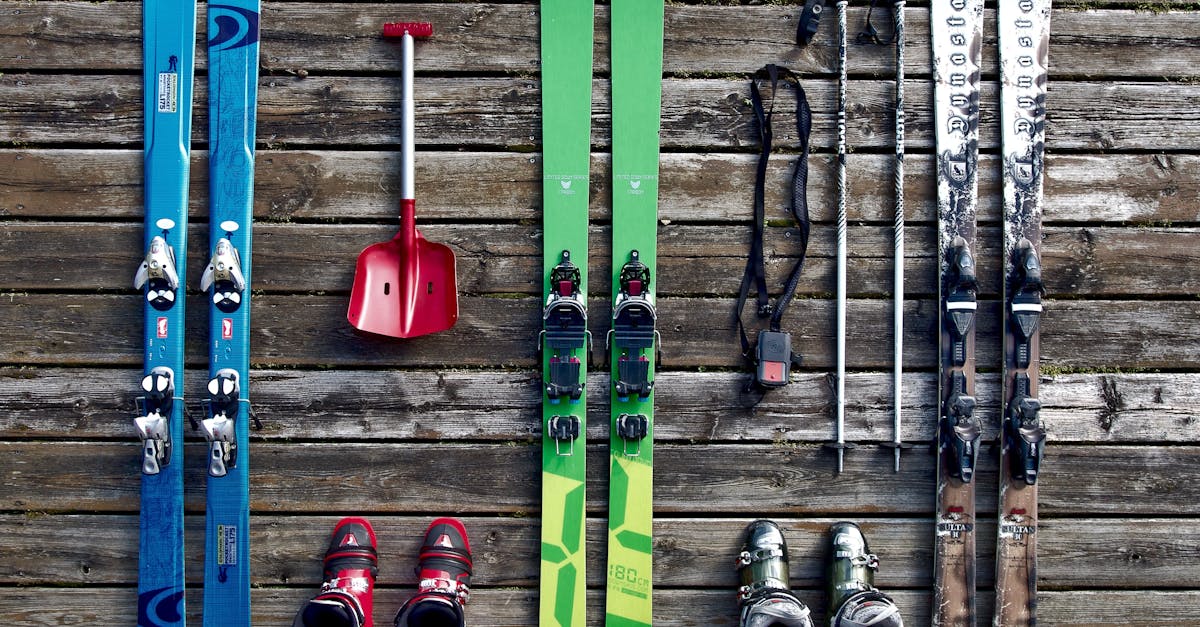
Ski equipment represents a highly profitable seasonal niche with passionate buyers willing to pay premium prices for quality gear. With new skis costing $600-$1,200 and boots ranging from $300-$800 retail, the secondary market offers tremendous opportunity for savvy resellers who understand what moves and when to sell. From high-performance race skis to backcountry touring setups, mastering the ski equipment market can generate substantial profits during peak season.
Quick Stats
| Metric | Value |
|---|---|
| Average Profit Margin | 40-200% |
| Startup Capital Needed | $300-$1,000 |
| Best Selling Season | October-February |
| Average Time to Sell | 7-30 days (in season) |
| Difficulty Level | Intermediate |
| Knowledge Required | Moderate-High |
Why Ski Equipment Is Profitable
The ski equipment market offers exceptional profit potential driven by several compelling factors. First, skiing requires significant equipment investment-a complete setup easily exceeds $1,500 retail-making used gear highly attractive to budget-conscious skiers. Second, ski technology evolves incrementally rather than dramatically, meaning 3-5 year old equipment remains highly functional and desirable. Third, passionate skiers upgrade frequently, creating steady supply of quality used equipment.
The profit margins in ski equipment flipping can be remarkable. High-end skis purchased for $75-$150 at end-of-season sales or estate sales routinely sell for $250-$500 when resold in peak season. Premium ski boots from brands like Tecnica, Lange, or Atomic purchased for $40-$80 at thrift stores can fetch $150-$350 online. Even bindings, poles, and accessories generate solid returns when sourced correctly.
What makes ski equipment particularly lucrative is the dramatic seasonal price fluctuation. Off-season purchases at steep discounts combined with peak-season sales at premium prices create arbitrage opportunities that don’t exist in most product categories. Smart flippers buy heavily in spring and summer when sellers are motivated and prices bottomed out, then capitalize when snow starts falling and demand surges.
What to Look For
High-Value Categories
All-Mountain Skis: The most broadly appealing category. Skis with 85-100mm waist widths from brands like Volkl, Rossignol, Salomon, Atomic, and Nordica sell consistently well. Focus on intermediate-to-advanced models that appeal to the largest buyer pool.
Powder Skis: Wide skis (100mm+ waist) hold value exceptionally well. Brands like Line, K2, Black Crows, and Faction have devoted followings. Serious powder skiers actively seek specific models and pay premium prices.
Ski Boots: Often overlooked but highly profitable. Premium boots from Tecnica, Lange, Atomic, Salomon, and Dalbello command strong prices. Performance boots with 100+ flex ratings appeal to serious skiers. Boot fitting concerns make condition especially important.
Backcountry/Touring Gear: This growing segment offers excellent margins. Touring bindings (Marker, Fritschi, Dynafit), climbing skins, and touring-specific skis appeal to enthusiasts willing to pay premium prices. Lightweight gear commands particular premiums.
Race Equipment: FIS-approved race skis and boots have dedicated markets. Junior race equipment is consistently in demand as young racers grow quickly through sizes. Adult race gear appeals to masters racers and performance-focused recreational skiers.
Condition Assessment
When evaluating ski equipment, examine:
- Ski base condition: Check for deep gouges, delamination, core shots, and edge damage
- Edge sharpness and integrity: Rounded or cracked edges reduce value; minor rust is acceptable
- Binding function: Test release mechanisms, verify DIN range, check for cracks or worn components
- Boot shell integrity: Inspect for cracks, broken buckles, and liner condition
- Cosmetic wear: Top sheet scratches are acceptable; structural damage is not
Red Flags to Avoid
- Delaminated skis where layers are separating
- Cracked boot shells-especially near buckle attachment points
- Bindings older than 10-12 years (many shops won’t adjust them)
- Core shots exposing the wood core of skis
- Heavily corroded edges with significant material loss
- Missing binding components or boots lacking original liners
Sourcing Ski Equipment
Best Places to Find Inventory
End-of-Season Sales: Ski shops liquidate inventory in March-April at 30-60% off. Demo skis, floor models, and prior-year equipment offer exceptional value. Build relationships with local shops for early access to clearance events.
Ski Swaps: Community ski swaps held each fall offer tremendous sourcing opportunities. Arrive early for best selection. Many sellers are families clearing out outgrown junior equipment or adults upgrading.
Thrift Stores: Goodwill, Salvation Army, and local thrifts receive ski gear donations, especially in mountain communities and affluent suburbs. Visit frequently during fall consignment season and early spring cleanouts.
Estate Sales: Older estates often contain vintage equipment with collector value, while younger estates may have modern performance gear. Entire equipment collections can be purchased at significant discounts.
Facebook Marketplace: Excellent for local buying, especially for bulky items where shipping would be prohibitive. Set alerts for ski-related keywords in mountain communities. Act quickly on underpriced listings.
Craigslist: Similar opportunities to Marketplace. Check both your local area and mountain communities where residents upgrade frequently.
Building Supplier Relationships
Consider establishing connections with:
- Ski shop managers aware of trade-in programs and liquidation timing
- Resort ski patrol members who see abandoned equipment
- Ski club organizers who hear about members’ equipment sales
- College ski team coaches dealing with equipment turnover
- Seasonal resort employees who need to sell gear when relocating
Pricing Strategies
Research Methods
Before pricing any ski equipment, conduct thorough research:
- Check eBay sold listings: Filter by “sold items” to see actual transaction prices for your specific model and condition
- Review specialized platforms: Prices vary between eBay, SidelineSwap, and Facebook groups
- Identify model year and specifications: Length, width, and technology generation significantly impact value
- Monitor seasonal pricing: Prices fluctuate dramatically-track timing for optimal listing
Pricing Tiers
Premium Pricing: Apply to current-year equipment, pristine condition items, and rare or specialized gear. High-performance race equipment, collector items, and complete matching setups warrant premium pricing.
Market Pricing: Price competitively with recent sold comparables for common items in good condition. This ensures reasonable turnover for standard equipment from major manufacturers during peak season.
Aggressive Pricing: Use for older equipment, items with cosmetic damage, or gear needing tune-ups. Also apply off-season when holding costs and slow sales justify accepting lower margins.
Seasonal Pricing Strategy
Buy Season (March-August): Prices bottom out as sellers liquidate unused equipment. Source aggressively when motivated sellers accept low offers. Store purchases for fall resale.
Sell Season (October-February): Prices peak as demand surges. List premium items early in season when eager buyers pay top dollar. Maintain higher prices through peak periods.
Transition Periods: September brings early demand from race teams and dedicated skiers preparing for season. Late February sees demand tapering but deals still possible.
Use the seasonal pricing calendar for resellers to decide whether ski gear deserves storage through summer or should be liquidated before bindings, boots, and freight costs eat the spread.
Value-Adding Strategies
Increase your profit margins by:
- Professional tune-ups (edge sharpening, base repair, waxing) cost $30-$50 but can add $75-$150 to sale price
- Replacing worn boot liners with aftermarket options improves fit and appeal
- Including poles, bags, or accessories bundled with skis
- Providing detailed photographs showing base condition and edge status
- Offering honest condition assessments that build buyer trust
Best Selling Platforms
eBay
eBay remains a dominant platform for ski equipment due to its massive audience and established trust. Use detailed titles including brand, model, length, and year. The global reach particularly benefits sellers with rare or specialized equipment. Factor in shipping costs when pricing-skis are expensive to ship.
SidelineSwap
Excellent specialized marketplace for sporting equipment with strong ski category. Lower fees than eBay, engaged community of winter sports enthusiasts, and app-based convenience. Buyers expect gear and understand condition grading.
Facebook Ski Groups
Numerous ski-specific buy/sell groups exist for different regions, disciplines, and brands. Groups like “Ski Gear Trader” and regional equivalents have active members ready to buy. Building reputation in these communities leads to repeat customers and direct sales without fees.
TGR Forums
The unofficial forums at Teton Gravity Research have active buy/sell sections frequented by knowledgeable skiers. Particularly strong for backcountry and powder equipment. Buyers understand value and pay fair prices for quality gear.
Local Consignment
Many ski shops offer consignment programs handling sales for commission. Convenient but commissions of 20-35% significantly reduce margins. Best for expensive items where your audience reach is limited.
Shipping Tips for Ski Equipment
Ski equipment presents unique shipping challenges due to length, weight, and value requiring careful handling.
Packing Best Practices
- Ski protection: Bind skis base-to-base with rubber bands or tape; wrap in bubble wrap or shipping foam
- Edge protection: Cover edges with cardboard strips taped securely to prevent damage during handling
- Boot packing: Stuff boots with newspaper to maintain shape; wrap each boot individually
- Binding security: Ensure bindings are closed/locked position; pad any protruding components
- Box selection: Ski-specific shipping boxes available from carriers; alternatively, use multiple overlapping boxes for proper length
Shipping Carriers
- FedEx Ground: Often competitive for oversized packages; offers dimensional weight pricing
- UPS: Similar to FedEx; check both for best rates on specific package dimensions
- USPS: Retail Ground can work for boots and shorter skis; limited for full-length equipment
- ShipSkis: Specialized ski shipping service; convenient door-to-door service but premium pricing
Cost Management
Shipping skis is expensive-often $40-$80+ depending on distance. Consider:
- Building shipping costs into item price to offer “free shipping”
- Pricing local pickup significantly lower to encourage it
- Using third-party shipping calculators to find best rates
- Consolidating multiple items when selling complete setups
Frequently Asked Questions
How do I determine what size skis to list for?
Ski length depends on skier height, weight, ability, and skiing style-but as a reseller, you simply need to describe what you have accurately. List the specific length in centimeters prominently. Buyers know their preferred length based on their own dimensions and preferences. Indicate the waist width and turning radius if available, as these help buyers assess whether skis match their skiing style. Wider skis appeal to powder skiing; narrower skis suit groomers and carving.
Should I get skis tuned before selling?
Professional tuning increases value and sale price for most skis. A basic tune (edge sharpening, base grind, hot wax) costs $30-$50 but can add $75-$150 to perceived value and actual sale price. For premium skis selling at $300+, tuning almost always makes economic sense. For budget skis under $150, offer them as-is with honest condition descriptions instead. Some buyers prefer purchasing untouched equipment to control their own tuning specifications.
When is the best time to list ski equipment?
Timing significantly impacts ski equipment sales. For maximum prices, list October through early January when buyer enthusiasm peaks and demand outstrips supply. Race equipment sells earliest as teams prepare in September-October. Last-minute holiday buyers drive December demand. After mid-January, demand moderates as season progresses and deal-hunters wait for end-of-season sales. Avoid listing premium items in spring and summer when only bargain hunters remain active. Off-season listing works only for heavily discounted prices or rare items with patient collector audiences.
Is vintage ski equipment worth flipping?
Vintage ski equipment occupies a specialized niche. Certain classic brands and models have collector value-vintage Rossignol, K2 early models, and classic race equipment attract dedicated collectors. Decorative wall-hanger appeal drives demand for aesthetically interesting vintage skis. However, most vintage equipment has minimal practical value since technology has advanced dramatically. Research specific items carefully; generic “old skis” rarely justify resale effort. Exception: vintage ski posters, lodge décor, and authentic après-ski fashion items command premiums.
Conclusion
Ski equipment flipping offers exceptional profit potential for resellers willing to learn the market’s nuances and embrace its seasonality. The combination of high retail prices, passionate buyers, and dramatic seasonal price swings creates arbitrage opportunities rarely found in other product categories.
Success in ski equipment flipping requires developing market knowledge-understanding which brands and models command premium prices, recognizing condition factors that affect value, and timing your buying and selling strategically. The learning curve rewards dedication, and specialized knowledge in high-value areas like backcountry gear or race equipment can unlock profits that casual resellers miss entirely.
The seasonal nature of ski equipment creates natural business rhythms. Spring and summer offer low-pressure sourcing while fall and winter bring intense selling activity. This predictability allows flippers to plan inventory management, cash flow, and effort allocation effectively throughout the year.
Whether you’re a passionate skier with natural product knowledge or simply see the profit potential in winter sports equipment, the ski resale market rewards those willing to carve their own path to profitability.
Helpful Tools
Ready to start analyzing ski equipment deals? Use these tools to ensure you’re making profitable buying decisions:
- Profit Calculator - Calculate your potential profit margins on ski equipment finds
- eBay Fee Calculator - Understand exactly what you’ll net after eBay and PayPal fees
- AI Deal Analyzer - Get instant AI-powered analysis on whether a ski equipment deal is worth pursuing
Related articles
seasonal reselling calendar for winter gear timing
Master seasonal reselling with this complete month-by-month calendar. Learn what to source, when to list, and how to maximize profits by timing your inventory to buyer demand throughout 2026.
camping gear comps before outdoor season
Spot tents, packs, sleeping bags, and camp gear worth reselling with brand checks, damage red flags, seasonality, and sold-comp pricing.
when to sell local vs. ship
Choose the right local selling channel for furniture, tools, electronics, clothing, and bulky resale items with pricing rules, meetup safety, and negotiation scripts.
garage and estate sale sourcing guide for sports equipment
Choose garage sales, estate sales, or flea markets with channel scorecards, worked buy examples, route roles, red flags, and profit math.
Tools that help with this topic
ski gear sold comps on eBay
Build source-backed sold-comp research links for eBay Advanced Search, eBay Product Research, Mercari, and Poshmark, plus a 7-comp pricing worksheet.
ski equipment flip profit calculator
Calculate net profit, ROI, margin, break-even price, and target sale price after marketplace fees, shipping, reserves, and labor. Free calculator included.
dimensional weight calculator for skis and boots
Calculate dimensional weight for USPS, UPS, and FedEx. Compare billable weight, carrier rounding, and USPS cubic eligibility before shipping.