Mid-Century Modern Furniture Flipping Guide 2026
By the Numbers
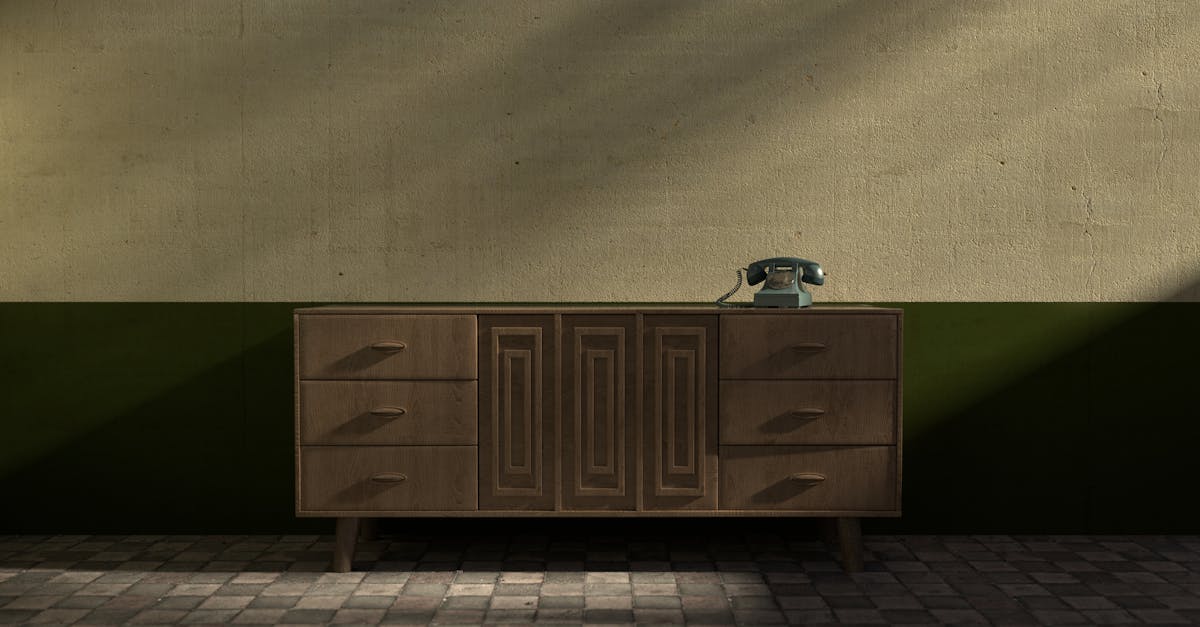
Mid-century modern design has experienced a massive resurgence over the past two decades, transforming from thrift store castoffs into highly sought-after collectibles commanding premium prices. This distinctive design movement spanning roughly 1945-1975 produced furniture, lighting, and décor that remains as fresh and desirable today as when originally created, making it an exceptionally profitable niche for knowledgeable resellers.
Quick Stats
| Metric | Value |
|---|---|
| Average Profit Margin | Depends on maker proof, local demand, transport, storage, and restoration |
| Startup Capital Needed | $300-$2,000 |
| Best Selling Season | Spring and Fall |
| Average Time to Sell | 14-45 days |
| Difficulty Level | Intermediate-Advanced |
| Knowledge Required | High |
2026 Buy Workflow: Prove the Piece Before You Move It
The recovery opportunity for this page is not another inspirational furniture overview. It is a working decision system for resellers standing in front of a heavy credenza, lounge chair, dining set, lamp, or teak wall unit and deciding whether the piece deserves a truck, helper, storage space, and restoration budget.
Use this sequence before you buy:
- Identify the lane: authenticated designer, attributed but unmarked, quality anonymous MCM, or purely decorative local furniture.
- Capture proof: labels, stamps, underside construction, hardware, joinery, upholstery tags, finish condition, measurements, and any estate provenance.
- Pull current sold comps for the exact lane. Use recent sold listings, not active asking prices, and separate local-pickup comps from freightable or dealer-shipped comps.
- Subtract all friction: platform fees, payment fees, delivery, stairs, storage, helper cost, repairs, upholstery, packing, returns, and your target profit.
- Buy only when the remaining maximum buy price is above the seller’s price and the piece can be moved without creating damage or storage risk.
Source-Backed Identification Checks
These checks help you sort promising evidence from wishful attribution. They do not replace professional authentication for high-value designer pieces.
| Evidence to capture | Why it matters | Primary source to compare |
|---|---|---|
| Herman Miller or Eames labels, stamps, medallions, shell details, lounge-chair dimensions, base style, shock mounts, and upholstery | Eames pieces can change value dramatically when the manufacturer, era, and originality are documented | Eames label/stamp archive: https://eames.com/en/articles/labels-stamps and Herman Miller Eames Lounge product specs: https://store.hermanmiller.com/living-room-furniture-lounge-chairs-ottomans/eames-lounge-chair-and-ottoman/5667.html |
| Knoll marks, pedestal construction, shell material, base finish, and dimensions on Tulip/Saarinen pieces | Knoll itself distinguishes authentic original products, and small construction differences change buyer confidence | Knoll Saarinen Tulip product page: https://www.knoll.com/shop/en_us/dining-dining-chairs/saarinen-tulip-armchair/7224.html |
| Danish maker labels, country-of-origin marks, cabinetmaker tags, joinery, teak/rosewood veneer quality, and original finish | Danish Modern value depends heavily on maker proof and construction, not just tapered legs | Design Museum Denmark’s Danish Modern overview: https://designmuseum.dk/en/exhibition/danish-modern/ and Vitra Design Museum’s Wegner background: https://www.design-museum.de/en/exhibitions/detailpages/hans-j-wegner-designing-danish-modern.html |
| Dimensions, underside photos, screw age, drawer construction, veneer thickness, repaired legs, and hardware replacement | Many anonymous pieces are profitable decor inventory, but should not be priced as designer-attributed without proof | Use your own photo set plus current sold comps; never upgrade attribution because the style “looks like” a famous designer |
Sold-Comp Capture Table
Do not rely on a static “$500 profit” promise. MCM pricing is local and condition-sensitive. Build a fresh comp sheet every time you consider a piece over your normal impulse-buy threshold.
| Piece under review | Minimum comp set | Comp filters | Max-buy rule |
|---|---|---|---|
| Designer lounge chair or ottoman | 5-8 sold comps for exact maker/model, same production era if possible | Sold date, upholstery, veneer, label proof, repairs, shipping/local pickup, platform | Conservative sold comp minus fees, freight or delivery, restoration, authentication, return buffer, and target profit |
| Teak credenza, dresser, or wall unit | 8-12 sold/local comps split between maker-marked and anonymous | Width, maker, wood, drawer/door function, veneer loss, local market, stairs/delivery | Use the lower local-pickup comp if buyer must arrange transport; use dealer-shipped comps only when you can deliver that service |
| Dining set | 5-8 set comps plus chair-only comps | Number of chairs, table leaves, finish, upholstery, wobble, veneer, maker | Price chairs and table separately first; buy the set only if the weakest component still clears storage and delivery costs |
| Lighting, pottery, glass, and wall decor | 8-12 shipped sold comps | Maker, size, shade/globe presence, rewiring needs, chips/cracks, shipping damage risk | Subtract packing materials, insurance, fragile-return risk, and testing/rewiring before setting the buy ceiling |
Fast comp links:
- eBay sold search for Eames lounge: https://www.ebay.com/sch/i.html?_nkw=eames+lounge+chair+herman+miller&LH_Sold=1&LH_Complete=1
- eBay sold search for Danish teak credenza: https://www.ebay.com/sch/i.html?_nkw=danish+teak+credenza&LH_Sold=1&LH_Complete=1
- eBay sold search for Knoll Tulip chair: https://www.ebay.com/sch/i.html?_nkw=knoll+tulip+chair&LH_Sold=1&LH_Complete=1
- For any exact find, run the same query through the sold comps tool, then calculate the real net in the furniture flip profit calculator.
Restoration and Pickup Decision Matrix
| Finding | Buy posture | Why |
|---|---|---|
| Original finish, light scratches, solid joints, documented maker | Strong candidate if comps clear the move | Originality and proof are the value; clean gently and document |
| Dry but intact teak/walnut, anonymous maker, clean lines | Candidate at a local-decor price | Reversible cleaning and oiling can improve presentation without pretending it is designer |
| Veneer chips, water rings, swollen edges, missing pulls | Buy only with a repair quote or deep discount | Thin veneer is easy to sand through and expensive to patch cleanly |
| Upholstery is stained but frame is strong | Price upholstery as a buyer discount unless comps reward reupholstery | New fabric can help decor buyers but reduce collector originality on designer pieces |
| Heavy piece upstairs, no elevator, tight hallway, or buyer expects delivery | Add helper/stairs/damage buffer before making the offer | A profitable comp becomes a loss if moving creates injury, delay, or damage |
| Seller claims “Eames-style,” “Knoll-style,” or “Danish style” with no label | Treat as inspired/anonymous until proof appears | Style language is not provenance; list and price honestly |
Why Mid-Century Modern Is Profitable
The mid-century modern market offers remarkable profit potential for resellers who understand what makes certain pieces valuable. Several factors drive the sustained profitability of this design category.
First, MCM design enjoys enduring aesthetic appeal that transcends trend cycles. The clean lines, organic forms, and functional elegance of mid-century pieces complement both traditional and contemporary interiors. This versatility creates consistent demand from homeowners, interior designers, and commercial buyers.
Second, quality construction distinguishes authentic mid-century furniture from modern reproductions. Original pieces were often crafted from solid walnut, teak, and rosewood with meticulous joinery and attention to detail that mass-produced modern furniture cannot match. Buyers recognize and pay premiums for this craftsmanship.
Third, the design credentials of famous MCM designers have achieved fine art status. Pieces by designers like Charles and Ray Eames, George Nelson, Hans Wegner, and Arne Jacobsen command fine art prices while remaining functional furniture. Even lesser-known designer pieces benefit from the elevated perception of mid-century design.
The profit margins in mid-century modern can be extraordinary. A Danish modern teak credenza purchased for $75 at an estate sale might sell for $600-$1,500 depending on designer, condition, and market. Authentic Eames lounge chairs found at estate sales have turned $200 purchases into $3,000+ sales. Even anonymous MCM pieces-everyday furniture without designer attribution-regularly yield 100-200% profit margins.
What to Look For
High-Value Categories
Designer Furniture: Pieces by recognized designers command the highest prices. Learn to identify work by Herman Miller designers (Eames, Nelson, Girard), Knoll designers (Saarinen, Bertoia, Wegner), and Scandinavian masters (Hans Wegner, Arne Jacobsen, Finn Juhl, Børge Mogensen). Even authorized reproductions have value, though significantly less than authenticated originals.
Danish Modern Teak: The Scandinavian design movement produced enormous quantities of high-quality teak furniture including credenzas, dining sets, and occasional tables. Look for pieces from manufacturers like Dyrlund, Skovby, Vejle Stole, and similar Danish companies. Quality construction and beautiful wood grain drive values.
Atomic and Space Age Design: Lighting, clocks, and decorative objects featuring atomic motifs, starburst patterns, and space-age aesthetics are highly collectible. Starburst clocks by Howard Miller or similar makers, atomic-inspired lighting, and boomerang-shaped décor items appeal to dedicated collectors.
Art Pottery and Ceramics: Mid-century ceramics from American makers like Russel Wright, Eva Zeisel, Sascha Brastoff, and Studio potteries command strong prices. Italian art glass by Murano manufacturers and Scandinavian glass by Holmegaard, Orrefors, and similar makers also perform well. The cocktail culture of the mid-century era produced a closely related collectible category worth sourcing alongside ceramics — vintage barware and crystal decanters from the same period command strong prices from both MCM enthusiasts and home bar collectors, with Waterford crystal and branded cocktail sets regularly turning up at MCM estate sales for a fraction of their resale value.
Lighting: Lighting represents a consistently profitable MCM category. Look for designs by George Nelson, Isamu Noguchi, Gino Sarfatti, and anonymous pieces with strong mid-century design characteristics. Sputnik chandeliers, arc lamps, and cone-shaped pendants are perennially popular.
Artwork and Wall Décor: Original vintage artwork, prints and limited edition posters by artists like Alexander Calder or Andy Warhol, and decorative objects like wall clocks and atomic sunburst mirrors sell briskly to MCM enthusiasts decorating their homes.
Authentication Essentials
The MCM market contains significant quantities of reproductions, fakes, and misattributed pieces. Develop strong authentication skills:
- Manufacturer labels and stamps: Authentic pieces typically bear maker’s marks, labels, or stamps. Learn what legitimate marks look like for major manufacturers
- Construction methods: MCM furniture used specific joinery, hardware, and assembly methods appropriate to the era. Modern reproductions often use shortcuts visible upon inspection
- Materials: Authentic vintage pieces use period-appropriate materials. Particle board, certain plastics, and modern finishes indicate reproduction or later manufacture
- Patina and wear: Genuine vintage pieces show appropriate aging patterns. Fresh finishes or artificial distressing suggest reproductions or refinishing
Red Flags to Avoid
- Prices dramatically below market value for “authenticated” designer pieces
- Missing or inconsistent manufacturer labels
- Modern hardware or construction methods on supposedly vintage pieces
- Refinished pieces presented as original condition without disclosure
- Replica furniture sold as authentic without clear labeling
- Particle board or MDF in supposedly solid wood vintage pieces
Sourcing Mid-Century Modern
Best Places to Find Inventory
Estate Sales: Estate sales in mid-century neighborhoods built during the 1950s-1970s offer the most concentrated opportunities for MCM furniture. Research demographics before attending-homes in these neighborhoods often contain original furnishings.
Thrift Stores: Goodwill, Salvation Army, and independent thrift stores still occasionally receive quality MCM donations. Visit regularly, build relationships with staff, and check frequently. Processing speed means new inventory appears unpredictably.
Auctions: Both in-person and online estate auctions frequently include mid-century modern furniture. Local auction houses often attract less competition than specialist MCM dealers. Research items thoroughly and set strict bidding limits.
Facebook Marketplace: Many sellers don’t recognize MCM value. Set alerts for terms like “old furniture,” “Danish,” “teak,” and “vintage modern” to catch underpriced listings from casual sellers.
Moving and Downsizing Sales: People moving to retirement communities or smaller homes often sell quality furniture quickly. Watch for these opportunities in upscale mid-century neighborhoods.
Antique Malls: While prices tend to be higher, antique mall booths occasionally contain underpriced MCM from dealers unfamiliar with the category. Knowledge arbitrage opportunities exist for specialists.
Building Supplier Relationships
Develop ongoing sourcing relationships with:
- Estate liquidators who can offer early access or private sales
- Interior designers refreshing client homes
- Real estate agents listing mid-century homes
- Storage unit auction companies
- Fellow pickers specializing in other categories
Pricing Strategies
Research Methods
Accurate MCM pricing requires thorough research due to the significant value variations between designer pieces, quality anonymous furniture, and reproductions:
- 1stDibs and Chairish: These platforms show premium retail pricing for dealer-quality pieces. Your pricing can approach these levels for excellent condition authenticated designer pieces
- eBay sold listings: Filter by “sold items” for realistic transaction prices. Study carefully to compare condition levels
- LiveAuctioneers and Invaluable: Past auction results provide authenticated pricing data for designer pieces
- Specialized price guides: Resources like Judith Miller’s guides and designer-specific references help establish baseline values
Condition Impact
Condition significantly affects MCM values. Understand these factors:
- Original vs. refinished: Collectors often prefer original finish with appropriate patina over refinished pieces, unless refinishing was professionally executed
- Structural integrity: Loose joints, broken components, or replaced parts reduce value substantially
- Upholstery: Original vintage upholstery adds value to collectors but may reduce appeal to décor buyers. Consider your target market
- Completeness: Missing components (chair glides, hardware, removable cushions) impact value and salability
Value-Adding Strategies
Increase your MCM profits legitimately by:
- Professional cleaning to restore original beauty
- Appropriate restoration of damaged components using period-correct methods
- High-quality photography showing design details, maker’s marks, and condition accurately
- Detailed descriptions including precise measurements, designer attribution, and historical context
- Offering delivery services for large furniture pieces
Best Selling Platforms
Chairish
Chairish caters specifically to design-conscious buyers seeking vintage and MCM furniture. The platform’s curated approach attracts premium pricing and serious buyers. Best for higher-value designer pieces and quality anonymous MCM.
1stDibs
The luxury platform for authenticated designer pieces commands top-dollar pricing. Approval requirements and commission structure mean this works best for exceptional items from recognized designers. Not appropriate for anonymous or lower-value pieces.
eBay
eBay’s massive audience makes it excellent for all MCM categories from designer icons to everyday vintage furniture. Auction format works well for rare pieces while Buy It Now suits common items. Shipping costs can impact smaller item sales.
Facebook Marketplace
Local sales through Facebook Marketplace avoid shipping complications for large furniture. The platform works excellently for anonymous MCM and lower-to-mid-value pieces where local pickup is preferable.
Etsy
Etsy attracts design-conscious buyers seeking vintage items for home décor. The platform works well for smaller MCM items including ceramics, lighting, and decorative objects. Strong photography performs well here.
Building an Instagram presence around curated MCM finds attracts collectors, designers, and enthusiasts. Direct sales through the platform or driving traffic to other listings can be highly effective for dedicated sellers.
Shipping Tips for Mid-Century Modern
MCM furniture shipping presents unique challenges due to size, weight, and fragility. Protect your inventory and reputation with proper shipping protocols.
Packing Best Practices
- Furniture: Remove legs, doors, and shelves when possible. Wrap all components individually in moving blankets and bubble wrap. Use custom crating for high-value pieces
- Ceramics and glass: Wrap each piece in tissue paper, then bubble wrap. Use double-walled boxes with abundant cushioning. Never allow glass items to touch during shipping
- Lamps and lighting: Remove bulbs and shades, ship separately. Protect fragile glass globes with custom foam inserts
- Upholstered items: Use mattress bags or custom covers to protect fabric. Consider plastic wrap underneath for moisture protection
Carrier Selection
- Specialized furniture shippers: For valuable pieces, services like uShip, Plycon Transportation, and specialized white-glove carriers provide appropriate handling
- Freight carriers: Large furniture often requires LTL freight shipping. Ensure proper crating and palletizing
- UPS/FedEx: Appropriate for smaller items under 150 pounds with proper packaging
- Local delivery: Consider offering personal delivery within reasonable radius for large items
Insurance Considerations
MCM furniture values demand appropriate insurance:
- Document everything with detailed photographs before shipping
- Insure for full replacement value, not purchase price
- Consider specialized fine art and antique insurance for high-value pieces
- Always require signature confirmation for items over $200
Frequently Asked Questions
Q: How do I identify authentic designer pieces versus reproductions?
Authentic designer MCM pieces typically bear manufacturer labels, stamps, or embossed marks. Study legitimate marks extensively-Herman Miller, Knoll, and authorized manufacturers used specific label styles during different production periods. Examine construction methods: original pieces used period-appropriate hardware, joinery, and materials. Reproductions often reveal themselves through modern screws, incorrect wood species, or construction shortcuts. When significant value is involved, consider professional authentication. Provenance documentation-original receipts, catalog appearances, credible ownership history-strengthens authentication claims and increases value.
Q: Is mid-century modern furniture still profitable or is the market saturated?
The MCM market remains highly profitable for knowledgeable resellers despite mainstream awareness. While common pieces may face more competition, authenticated designer pieces continue appreciating. Quality anonymous MCM from reputable manufacturers sells consistently to buyers furnishing homes. The key is developing expertise that allows you to identify undervalued pieces others miss and authenticate valuable items accurately. Market segments vary-some categories experience price compression while others strengthen. Stay educated about market trends and focus on quality over quantity.
Q: Should I refinish mid-century modern furniture before selling?
This decision requires careful consideration of your target market and the specific piece. Serious collectors often prefer original finish with natural patina-refinishing can actually reduce value for museum-quality pieces. However, buyers seeking decorative furniture for their homes may prefer refreshed finishes. Consider the economics: a damaged anonymous MCM piece might double in value with professional refinishing, while refinishing a valuable authentic Wegner chair could diminish collector interest. When refinishing, use period-appropriate methods and materials. Always disclose refinishing work honestly in your listings.
Q: What mid-century modern categories are best for beginners?
Smaller decorative items offer accessible entry points with lower financial risk. MCM ceramics, glassware, and smaller lighting fixtures require less capital and are easier to ship while teaching authentication skills. Anonymous MCM occasional furniture-end tables, small desks, shelving units-provides furniture experience without designer-authentication complexity. As your expertise grows, expand into larger furniture and move toward authenticated designer pieces. Start with categories you find visually appealing to maintain enthusiasm through the learning process.
Q: How do I handle large mid-century furniture that’s difficult to ship?
Several strategies address large furniture shipping challenges. First, focus on local sales through Facebook Marketplace, Craigslist, and local consignment-many buyers prefer picking up furniture to avoid shipping costs and risks. Second, offer delivery within a reasonable radius, often recovering costs through higher pricing. Third, learn the freight shipping system-platforms like uShip connect sellers with competitive carriers. Fourth, consider furniture-specific shipping services that specialize in vintage pieces. Finally, factor shipping realities into purchasing decisions: a $50 credenza found locally might yield more profit than a distant $20 find requiring expensive shipping to you and then to the buyer.
Conclusion
Mid-century modern flipping offers exceptional profit opportunities for resellers who invest in developing deep category expertise. The combination of sustained design appreciation, quality construction that outlasts modern furniture, and strong collector and decorator demand creates a solid market that rewards knowledge and authentication skills.
Success in MCM flipping requires understanding the distinction between authenticated designer pieces, quality anonymous manufacturer furniture, and reproductions or misattributed items. This knowledge transforms casual buyers into strategic investors who recognize value others miss. The learning curve rewards patience-start with accessible categories, study extensively, handle as many pieces as possible, and build expertise systematically.
The mid-century modern market uniquely bridges the collector world and mainstream home furnishing, providing multiple exit strategies for your inventory. A single authenticated designer piece might fund months of inventory acquisition, while steady sales of quality anonymous MCM provide consistent cash flow.
Whether you’re drawn to the elegant simplicity of Danish modern teak, the innovative designs of Herman Miller icons, or the playful atomic aesthetics of the space age, mid-century modern flipping offers an engaging and profitable niche for design-enthusiastic resellers willing to develop specialized knowledge.
Helpful Tools
Ready to start analyzing mid-century modern deals? Use these tools to ensure you’re making profitable buying decisions:
- Profit Calculator - Calculate your potential profit margins on mid-century modern finds
- eBay Fee Calculator - Understand exactly what you’ll net after eBay and PayPal fees
- AI Deal Analyzer - Get instant AI-powered analysis on whether a mid-century modern deal is worth pursuing
Frequently Asked Questions
How do I authenticate mid-century modern furniture before buying?
Start with labels, stamps, underside construction, hardware, dimensions, joinery, finish, and provenance. Compare Eames, Herman Miller, Knoll, and Danish maker clues against primary or specialist references, then use professional authentication for high-value designer claims.
How do you calculate a maximum buy for MCM furniture?
Pull recent sold comps for the exact maker, form, dimensions, condition, and local-versus-freight route. Subtract platform fees, delivery, stairs, helper cost, storage, restoration, return risk, and target profit. The remaining amount is the buy ceiling.
Should I refinish mid-century modern furniture before selling?
Refinish only when comps show decor buyers reward the work and the piece is not valuable mainly because of original finish or provenance. For designer or collector pieces, irreversible refinishing can reduce value.
Which MCM pieces are best for beginners?
Start with smaller decor, lighting, side tables, and quality anonymous case pieces where transport and authentication risk are manageable. Move into designer lounge chairs, dining sets, and large credenzas only after you can document proof and moving costs.
Related articles
home decor flipping guide for vintage interiors
Master home decor flipping with this complete guide. Learn to source and resell art prints, mirrors, vases, and decorative objects for profit margins of 200-500%. Includes staging tips and seasonal strategies.
estate sale preview guide for furniture sourcing
Learn how to analyze estate sale preview photos and listings before doors open. Build a 2026 reseller system for pre-sale item scoring, route planning, and margin-safe bidding.
local pickup vs shipping guide for furniture flips
Choose pickup, delivery, or shipping with a cost-and-time worksheet, platform rules, payment safeguards, packaging risk, and break-even math.
Tools that help with this topic
mid-century modern sold comps on eBay
Build source-backed sold-comp research links for eBay Advanced Search, eBay Product Research, Mercari, and Poshmark, plus a 7-comp pricing worksheet.
mid-century furniture flip profit calculator
Calculate net profit, ROI, margin, break-even price, and target sale price after marketplace fees, shipping, reserves, and labor. Free calculator included.
dimensional weight calculator for furniture shipping
Calculate dimensional weight for USPS, UPS, and FedEx. Compare billable weight, carrier rounding, and USPS cubic eligibility before shipping.