Best Way to Sell Supreme: Platforms & Pricing
By the Numbers
Store ratings checked Sep 27, 2026. How we count
The best way to sell Supreme is to route each piece by condition and buyer intent: StockX for clean hype releases that fit standardized product pages, Grailed for used or vintage pieces where condition notes matter, and eBay for accessories, older items, or listings that need a bigger search audience. Before buying, check recent sold comps, platform fees, authentication risk, and whether the item is still drawing demand beyond the logo.
| Supreme inventory | Best first platform | Seller rule |
|---|---|---|
| New box logo or major collaboration | StockX | Use when bids are deep and the item matches the catalog exactly |
| Used hoodie, tee, or vintage piece | Grailed | Use condition photos and measurements to justify the price |
| Accessories, odd items, or older releases | eBay | Capture broader collector searches and flexible listing details |
| Repeat buyer/follower audience | Instagram or Discord | Use only when trust and payment workflow are already established |
Supreme remains one of the most influential streetwear brands in the world. While the landscape has evolved since EssilorLuxottica’s acquisition, Supreme’s weekly drop model and limited production continue creating profitable opportunities for selective resellers.
Quick Stats
| Metric | Value |
|---|---|
| Avg Resale Value | $85-$400 |
| Profit Margin | 25-150% |
| Sell-Through Rate | 78% within 21 days |
| Best Items | Box Logo Hoodies, Nike Collabs, Accessories |
| Top Platforms | StockX, Grailed, eBay |
| Difficulty Level | Beginner-Intermediate |
The Short Answer
Supreme is still worth reselling in 2026, but only if you are selective.
The easy-money era is over for basic weekly items. The strongest profits are concentrated in:
- box logo releases
- serious collaborations
- unusual accessories with collector demand
- underpriced secondary-market buys from sellers using outdated comps
If your plan is to chase every Thursday drop and hope scarcity does the work for you, margins will feel much thinner than social media makes them look.
Why Supreme is Worth Reselling
Supreme’s business model is essentially designed for resale profitability. Weekly drops with intentionally limited quantities create artificial scarcity that drives secondary market premiums. This predictable cycle allows resellers to plan sourcing strategies and anticipate demand patterns throughout each season.
The brand’s collaboration strategy significantly amplifies resale potential. Supreme partners with major names across fashion, art, and pop culture-from The North Face and Nike to artists like Takashi Murakami. These collaborations routinely sell out instantly and command substantial premiums, sometimes 200-500% above retail within hours of release.
Brand recognition fuels consistent demand across demographics and geographies. The iconic box logo has achieved cultural status that transcends traditional fashion consumers, creating a buyer pool that includes collectors, fashion enthusiasts, and casual consumers seeking status pieces. This broad demand base means faster sell-through times and more stable pricing.
Supreme’s retail prices remain relatively accessible compared to luxury streetwear competitors. T-shirts retail around $48, hoodies at $168, and even premium items often stay under $500. These entry points mean lower capital requirements and reduced risk for resellers building inventory.
The secondary market infrastructure for Supreme is exceptionally well-developed. Platforms like StockX provide price transparency, authentication, and efficient transactions. This mature ecosystem reduces friction and makes Supreme one of the most liquid categories in the resale market-you can typically move inventory quickly when needed.
Best Supreme Items to Flip
Box Logo Hoodies
The Box Logo Hoodie represents Supreme’s flagship resale item. Retailing at $168, these hoodies consistently resell for $400-$800 depending on colorway and condition. Limited releases and special collaborations push prices into four figures. The FW25 box logo hoodies are currently trading at 3-4x retail on secondary markets.
Classic colorways like black, grey, and navy maintain strongest demand, while unique releases like the Swarovski box logo or Comme des Garçons collaborations become collectible assets.
Nike and Jordan Collaborations
Supreme x Nike releases consistently rank among the most profitable items each season. Air Force 1 collaborations retail around $110-$130 and typically resell for $200-$350. Jordan collaborations command even higher premiums, with recent releases achieving 150-200% over retail.
Dunk collaborations have proven particularly strong performers, with the Supreme x Nike SB Dunk Low regularly hitting $400-$600 resale on limited colorways.
Accessories and Small Items
Supreme accessories offer exceptional ROI potential with lower capital investment. The brand’s weekly accessory drops often include items retailing under $50 that resell for $100-$200+. Items like keychains, stickers, chopsticks, and branded tools attract collectors seeking affordable Supreme pieces.
The Supreme Brick famously retailed at $30 and has sold for over $100. While not every accessory performs this well, the category consistently offers margins exceeding apparel.
The North Face Collaborations
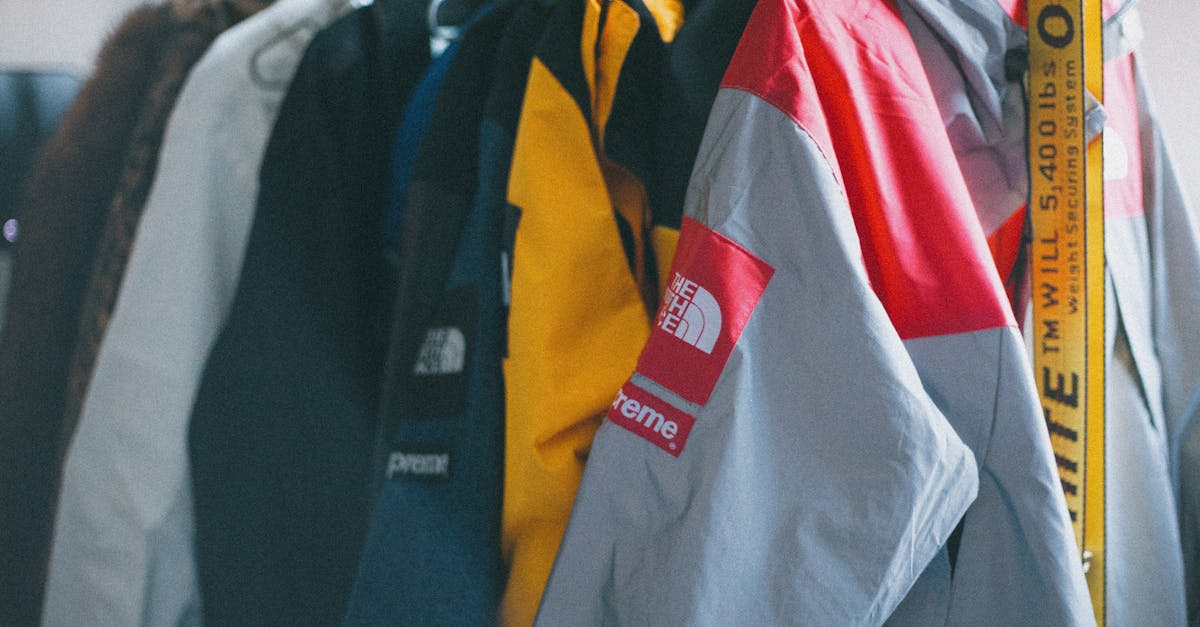
Supreme x The North Face represents a collaboration partnership that reliably generates resale profits. Jackets retailing at $300-$450 consistently resell for $500-$900, with certain releases climbing significantly higher. The technical quality of TNF combined with Supreme branding creates pieces with both collectible and functional appeal.
Backpacks and bags from TNF collaborations also perform well, typically achieving 50-100% margins while offering lower entry points than outerwear.
T-Shirts and Tees
While margins on standard Supreme tees have compressed over time, photo tees, collaboration pieces, and special releases still offer solid returns. Retail at $48, sought-after designs resell for $85-$150. Volume sellers can build consistent income from Supreme tees even at tighter margins.
Where to Source Supreme
Weekly drops remain the primary sourcing channel. Supreme releases new items every Thursday at 11 AM EST (online) with in-store releases on the same day. Building expertise in the drop system-understanding timing, checkout speed, and item selection-is fundamental to Supreme reselling success.
Manual checkout still works for less-hyped items, but competitive releases often require optimized checkout flows. Familiarize yourself with Supreme’s website behavior and develop efficient checkout routines. Some resellers use multiple devices or accounts, though this carries policy risks.
Retail stores in New York, LA, London, Paris, and Tokyo receive exclusive items and sometimes have different inventory than online drops. Building relationships with store staff and understanding store-specific release patterns can provide sourcing advantages.
Secondary market arbitrage opportunities exist on platforms where items are mispriced. FB Marketplace, local selling apps, and Depop occasionally surface Supreme items below market value from sellers unfamiliar with current pricing.
Estate sales and thrift stores very rarely yield Supreme finds, but vintage pieces from the 1990s and early 2000s can be exceptionally valuable when found. A vintage box logo hoodie in good condition can sell for $1,000+.
How to Authenticate Supreme
Supreme counterfeiting has become increasingly sophisticated, making authentication expertise essential. Start with the box logo itself-authentic Supreme uses specific font weight, letter spacing, and stitching patterns. The oval in the “p” and cross of the “e” are common tell-tales that differ on replicas.
Tag examination reveals most fakes. Authentic Supreme uses specific tag materials, stitching, and text placement that differ by season. Study legitimate tags from the specific season of any piece you’re evaluating. Neck tags should show proper font, spacing, and attachment stitching.
Material quality on authentic Supreme exceeds most replicas. Hoodies should feel substantial with proper weight and cotton quality. Screen printing should be crisp and properly positioned. T-shirt blanks have evolved over the years, so compare against known authentic pieces from the same era.
Hardware and details matter on accessories and outerwear. Zippers should operate smoothly with quality pull tabs. Snap buttons, buckles, and metal components should show premium finishing. Supreme collaborations with The North Face and other brands include authentic partner hardware.
Documentation verification adds confidence. Keep receipts, email confirmations, and packaging from retail purchases. These materials help prove authenticity when reselling and command price premiums from cautious buyers.
When Supreme Is Not Worth Reselling
Supreme becomes a bad flip surprisingly fast when one of these is true:
- the item is a common seasonal piece with weak secondary demand
- your only edge is paying near market and hoping for appreciation
- authentication risk is higher than your experience level
- fees on StockX, Grailed, or eBay erase the premium
- capital gets tied up in slow movers while better flips are available elsewhere
For most resellers, Supreme should be treated like a selective capital allocation category, not a default yes.
Quick Buy-or-Pass Questions
Before you buy any Supreme piece for resale, ask:
- Is this a proven winner type, or just a recognizable logo item?
- Are sold comps recent and consistent after platform fees?
- Would this still be worth buying if hype cooled 10-15%?
- Can I authenticate it confidently without outsourcing?
- Is this money better deployed into faster-turn inventory?
If you hesitate on more than one of those questions, pass.
Best Platforms for Selling Supreme
StockX offers the most efficient market for Supreme, particularly for hyped releases. Their authentication service provides buyer confidence, and the bid/ask system enables price discovery. Fees run approximately 10%, but the trade-off in speed and convenience often justifies the cost.
Grailed connects sellers with fashion-conscious buyers willing to pay premiums for condition and completeness. The platform excels for vintage Supreme and less common pieces that don’t fit StockX’s standardized model. Fees are lower than StockX at around 9%.
eBay provides the largest audience but requires more work managing listings and buyer questions. The platform works well for accessories, older pieces, and items where direct buyer interaction helps close sales. Authentication guarantee adds trust for higher-priced items.
Instagram and Discord enable direct sales without platform fees. Building a following takes time but creates a valuable channel for repeat buyers and quick inventory turns.
Pro Tips for Flipping Supreme
Study upcoming drops through preview sites and leaks. Understanding what’s releasing each week helps you identify items with resale potential versus pieces that will sit at or below retail. Not every Supreme item is worth pursuing. Use the full fashion brand resale directory — streetwear and hype tier to benchmark this label against adjacent resale brands.
Focus on box logos and collaborations for the highest margins. Standard items from weekly drops have tight margins and require volume to generate meaningful profit. Premium releases justify the effort and capital investment.
Condition matters significantly in Supreme resale. Deadstock items with tags command 20-40% premiums over worn pieces. Store inventory properly and photograph items thoroughly to justify premium pricing.
Monitor price trends actively. Supreme resale prices fluctuate based on supply, cultural moments, and seasonal demand. Items that sit at retail initially sometimes appreciate after selling out, while hyped releases can crash if supply exceeds demand.
Build relationships in the Supreme community. Knowing other collectors creates sourcing and selling opportunities outside public platforms. Local meetups, online forums, and Discord servers provide networking value.
FAQs
How fast do Supreme items sell on resale platforms?
Hyped releases often sell within hours of listing at market prices. Common items may take 1-3 weeks. Pricing competitively and providing clear photos accelerates sales across all item types.
Is Supreme still profitable to resell in 2026?
Yes, though margins have compressed on common items. Box logo releases, collaborations, and accessories continue offering strong margins. Success requires increasingly better product selection and sourcing efficiency.
Is it worth camping for Supreme releases?
In-store releases in major cities sometimes provide access to items that sell out online instantly. Whether camping is worth it depends on the specific release and your local store’s procedures. Many regular resellers focus on online efficiency instead.
How do I avoid buying fake Supreme?
Purchase from reputable sources, use authentication services for secondary market buys, and study legitimate pieces carefully. If a price seems too good to be true, it probably involves counterfeit goods.
Conclusion
Supreme reselling remains viable and profitable in 2026 for those who approach it strategically. The brand’s weekly drop model, collaboration history, and cultural significance create consistent opportunities that reward preparation and expertise.
Success requires understanding which items command premiums, developing efficient sourcing methods, and building authentication knowledge. Focus on limited releases and collaborations for maximum margins, while using common items to build volume and experience.
The key is not just identifying hype. It is identifying net margin after fees, shipping, and risk. If you want to sanity-check a Supreme comp before buying or listing, run it through Underpriced and compare the likely payout against your actual cost basis.
Related Tools
- eBay Fee Calculator - Calculate your actual profits after marketplace fees
- ROI Calculator - Determine if a Supreme piece is worth the investment
Related articles
full fashion brand resale directory — streetwear and hype tier
Quick-reference directory of 80+ fashion brands graded by resale potential, best selling platform, and category. Find which brands consistently deliver 50%+ ROI and which require specialist sourcing knowledge.
where to sell brand-name clothes
Route brand-name clothes by label, fee stack, buyer trust, season, and net payout across Poshmark, Grailed, eBay, Mercari, Depop, ThredUp, and Facebook.
StockX vs GOAT selling guide for hype pairs and apparel
Compare GOAT vs StockX fees, authentication, payout times, used sneaker rules, and which platform is best for your sneakers and streetwear.
best high-margin items to flip for profit
Best items to resell in 2026, from game consoles and outdoor clothing to high-margin small replacement parts, ranked by profit, risk, and sell speed.
Tools that help with this topic
StockX and GOAT payout calculator for Supreme and hype drops
Compare StockX and GOAT seller fees, cash-out costs, and net payout. Enter your buy cost to estimate sneaker resale profit.
Supreme flip profit calculator
Calculate net profit, ROI, margin, break-even price, and target sale price after marketplace fees, shipping, reserves, and labor. Free calculator included.
Supreme sold comps on eBay
Build source-backed sold-comp research links for eBay Advanced Search, eBay Product Research, Mercari, and Poshmark, plus a 7-comp pricing worksheet.