Is Reebok Worth Reselling? Models, Comps & Buy Rules
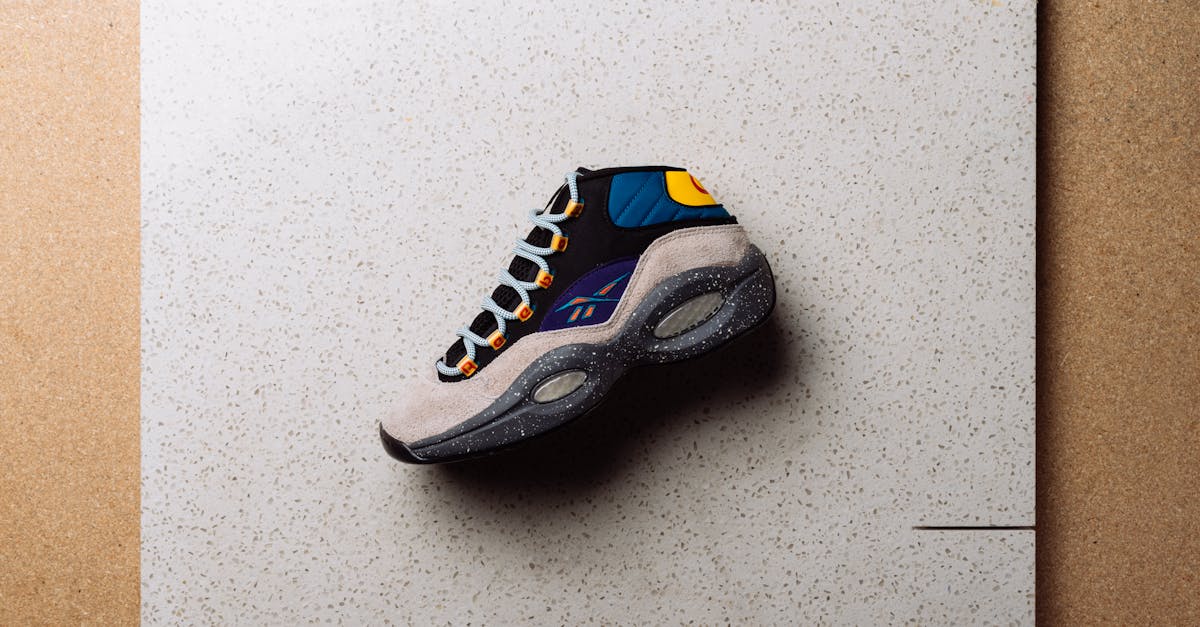
By the Numbers
Store ratings checked Sep 27, 2026. How we count
Most Reebok products are not automatic flips. The logo is not the thesis; the exact style code, colorway, size, condition, completeness, and recent sold evidence are. A common Club C and a scarce Pump collaboration can sit next to each other on the same rack and require completely different decisions.
In 2026, Reebok operates under Authentic Brands Group (ABG), which acquired the brand from Adidas in 2022. This ownership change has reshaped the brand’s direction, focusing on nostalgia-driven releases and strategic partnerships. For resellers who understand which corners of the Reebok catalog are worth pursuing, there are legitimate profit opportunities hiding in plain sight-you just have to be selective.
This guide shows which Reebok lanes deserve research, how to identify the exact pair, how to build a clean sold-comp set, and where condition destroys margin. Use the eBay sold-link generator or the Underpriced app to research the style code before buying.
July 2026 Sold Evidence: Why “Reebok Resale Value” Is Not One Number
This spot check was reviewed July 21, 2026. It is deliberately narrow and is not a price guide. Sold pages can show the last visible asking price even when Best Offer was accepted, so record an accepted-offer sale as “price not fully disclosed.”
| Pair observed | Visible sold-page evidence | What the comp proves | What it does not prove |
|---|---|---|---|
| Club C 85, men’s 11, fair used condition | $29.99 visible; Best Offer accepted | common model + worn condition can live near ordinary used-shoe money | the buyer necessarily paid $29.99 |
| Club C 85 MemoryTech, men’s 10, used | $36.99 sold page | exact variant and condition matter inside the Club C family | every Club C sells in the same band |
| Instapump Fury FY0825, men’s 9 | $129.95 sold page | a model/style-code match can separate a stronger pair from a generic Pump claim | another colorway or condition is comparable |
| Question Mid “Blue Toe,” men’s 7 | $15 sold page | an iconic model name does not guarantee margin | the entire Question line is weak |
Build your own set of five to ten sales from the same style code, size band, condition, box status, and colorway. If exact matches are scarce, widen one variable at a time and label the compromise.
Reebok buy ceiling
Maximum buy = conservative sold value − current platform fees − ad fee − outbound shipping − cleaning/materials − return allowance − target profit.
Use the lower end of valid comps when demand is thin. Pass when the deal only works at the highest outlier, when the Pump system or midsole cannot be tested, or when the style code does not resolve to the shoe in hand.
The Reebok Market Overview
Where Reebok Stands in 2026
Reebok occupies an unusual position in the sneaker world. It’s not a hype brand like Nike or New Balance-but it isn’t irrelevant either. Under ABG’s ownership, Reebok has focused on licensing deals and selective premium releases rather than competing head-to-head in the performance market.
The brand’s strengths for resellers come from three areas:
Basketball Heritage: Allen Iverson’s Question and Answer lines remain culturally significant. The AI legacy keeps these models in rotation among collectors, and retro drops regularly sell above retail.
Fitness and Aerobic Culture: Reebok dominated the 1980s fitness boom, and that nostalgia market is alive and well. Vintage Reebok aerobic shoes, windbreakers, and fitness accessories have a dedicated buyer base.
Collaborations: While Reebok’s collab output is smaller than Nike’s or Adidas’s, partnerships with Maison Margiela, Palace, BAPE, and Packer Shoes consistently produce resale-worthy products.
Market Size and Buyer Demographics
Reebok resale buyers tend to fall into a few distinct groups:
- Sneaker collectors (30-45 age range) who grew up watching Allen Iverson
- Retro fitness enthusiasts drawn to 80s/90s aerobic culture and vintage workout gear
- Fashion-forward buyers who seek out Maison Margiela or avant-garde collaborations
- Women’s lifestyle buyers looking for Classic Leather and Freestyle Hi for everyday wear
- Vintage hunters who appreciate pre-2000 Reebok deadstock
Understanding your buyer is critical because a Pump Omni Zone and a Maison Margiela Tabi sneaker attract completely different audiences-and you’ll market and price them differently.
Reebok Models Worth Researching
Do not turn this list into a blanket buy list. It tells you where to spend the next two minutes on exact-model research.
| Lane | Identity evidence to capture | Condition tests | Buy only when |
|---|---|---|---|
| Question / Answer | tongue style code, colorway, size, production label, box label if present | outsole wear, heel drag, midsole separation, collar wear, oxidation | exact-code sold comps leave margin after shipping; “Iverson” alone is not enough |
| Pump Omni / Pump basketball | exact model and code, pump-button branding, era/reissue evidence | pump inflates and holds, bladder does not leak, midsole flexes without crumbling | the mechanism works or parts-only value is documented |
| Instapump Fury | exact code, color blocking, collaboration marks, box match | pump cage, outsole, glue lines, heel structure | the exact colorway has recent sales and the upper is not hiding separation |
| Club C 85 / Classic Leather | style code, leather/synthetic version, collaboration or premium line | toe creasing, lining wear, heel drag, yellowing, odor | purchase cost is low enough for ordinary used-shoe comps, unless a collaboration is verified |
| Freestyle Hi / vintage fitness | country/production label, era cues, material, size, matching set details | foam and sole flexibility, dry rot, elastic recovery, staining | age is supported and the piece is wearable or clearly sold as display/archive condition |
| Collaboration | both brands’ marks, style code, release name, packaging, accessories | compare construction to trusted references; inspect replaced parts | exact release is confirmed and same-release sold evidence exists |
The three-minute rack test
- Photograph both tongue labels, insoles, outsole, heel, size tag, and any box label.
- Search the alphanumeric style code in quotes with “Reebok.” If results show a different colorway or silhouette, stop.
- Flex the forefoot gently and inspect the midsole and glue line. Do not aggressively flex an older collectible pair.
- For Pump models, test inflation and pressure retention. Disclose a failed or untested system explicitly.
- Grade heel drag, outsole wear, liner holes, odor, missing insoles/laces, and box status.
- Pull sold comps from the exact code and size band; calculate net before checkout.
Reebok Collaborations: Verify the Release, Not Just the Partner
Names such as Maison Margiela, JJJJound, Palace, BAPE, Packer, Vetements, Eames, Stüssy, and Kerwin Frost are research signals, not guaranteed premiums. A collaboration can have multiple models, restocks, sizes, and colorways with very different demand.
| Check | Evidence required |
|---|---|
| Release identity | exact style code, official release name, colorway, and model |
| Completeness | original box label, spare laces, hangtags, dust bags, or accessories when the comp includes them |
| Authenticity | construction and labels consistent with trusted reference images; professional authentication when value or risk justifies it |
| Liquidity | several recent exact-release sales, not one old high result |
| Net | sale price after platform fees, ads, shipping, insurance, and return allowance |
Never “buy immediately” from partner branding alone. Counterfeits, mismatched boxes, replacement insoles, degraded foam, and a thin sales history can erase the apparent premium.
The Women’s Market Opportunity
Reebok has a stronger women’s resale market than many competitors, rooted in the brand’s aerobic and fitness heritage. The Classic Leather and Freestyle Hi have been women’s fashion staples since the 1980s.
Research women’s Classic Leather, Freestyle Hi, Club C 85, verified collaborations, and vintage aerobic apparel by exact code, size, and condition. Compare eBay, Poshmark, Depop, GOAT, and StockX only where the exact item is eligible and has real demand. Platform fit is an observed net-payout decision, not a demographic shortcut.
How to Authenticate Reebok Products
No single visual checklist authenticates every Reebok release. Risk varies by model, collaboration, seller, and price; high-value or disputed pairs may require a qualified authentication route accepted by the selling platform.
Key Authentication Points
Tongue Label: Photograph the style or article code, size, production details, typography, and stitching. Compare the complete label with a documented reference for the same release; a plausible code is necessary evidence, not proof.
Insole and internal construction: Record branding, stitching, lasting, footbed, adhesive, and wear. Replacement or swapped insoles affect completeness and make logo placement a weak standalone signal.
Box Labels: Cross-check style, color, size, barcode, and release details, but verify that wear, dates, and size match the shoes. A genuine box can be paired with the wrong pair.
Construction comparison: Compare stitch paths, panel shapes, logo placement, outsole tooling, hardware, and materials with the same style code and colorway. Factory variation and wear mean “clean stitching” alone cannot authenticate a pair.
Material, weight, and flexibility: Compare like-for-like with a documented reference and measure when useful. Different releases and sizes can use different materials, so subjective softness, weight, or flexibility is not proof.
For quick price comparisons on any Reebok model you’re looking to authenticate, run the style code through the Underpriced app to see what real pairs have recently sold for.
Where to Source Reebok for Resale
Off-Price Retailers (Ross, Marshalls, TJ Maxx)
These stores frequently carry Reebok, but markdown is not evidence of resale demand. Look specifically for:
- Collaboration leftovers (check tongue labels for collab branding)
- Retro reissues of classic silhouettes
- Premium materials (leather, suede) over synthetic
Thrift Stores and Goodwill
Reebok gets donated more than most brands because casual consumers don’t perceive it as premium. This works in your favor:
- Vintage Reebok from the 80s and 90s ends up at Goodwill regularly
- Check every pair-look for “Made in Korea” or “Made in Taiwan” tags indicating older production
- Reebok Pump models occasionally surface; test the mechanism and research the exact code
- Estate sale donations often include deadstock or lightly worn pairs
Outlet Stores
Reebok outlet stores and multi-brand outlets offer markdowns on last-season items. Focus on:
- Classic Leather and Club C only when exact sold comps clear your net target
- Any collaboration models in the outlet (rare but it happens)
- Seasonal colorways that might appeal to specific buyer demographics
Online Clearance
Check Reebok.com’s sale section if you already know the exact model’s resale evidence. A large percentage-off badge can simply reflect weak demand, and coupon exclusions or returns can change the economics.
Japanese Proxy Services
Some Reebok models are market-specific. Before using a proxy service, verify the exact release, landed cost, duties, return limits, size conversion, and US sold demand. International scarcity is not proof of a profitable exit.
Best Platforms to Sell Reebok
eBay
eBay remains the strongest platform for Reebok resale across all categories. The platform’s buyer base includes collectors, casual buyers, and vintage enthusiasts.
Best for: Iverson models, vintage Reebok, accessories, workout gear Fee check: Use the current category rate and per-order amount shown by eBay. Tips: Put the exact model, style code, colorway, size, and condition in the listing data.
Use the profit calculator to calculate exact profits after eBay fees before listing.
StockX
StockX works for hyped collaborations and popular retro releases with standardized sizing and verified demand.
Best for: Eligible exact models with a live bid/ask market Fee check: Use the seller-level rate and shipping terms shown in your account Tips: Confirm eligibility, condition requirements, box requirements, and payout before listing
Poshmark
Poshmark is excellent for women’s Reebok, lifestyle colorways, and the Cardi B collaboration line.
Best for: Women’s Classic Leather, Freestyle Hi, lifestyle models, vintage apparel Fee check: Use Poshmark’s current order preview Tips: Compare net payout and shipping fit with eBay rather than assuming the buyer pool
Mercari
Mercari can be another test channel for pairs that do not fit an exchange-style marketplace.
Best for: General retro releases, casual models, accessories Fee check: Use the current seller terms and order preview Tips: Price from same-model sold evidence and compare net payout
Depop
Depop’s younger demographic responds well to vintage Reebok aesthetics and retro fitness culture.
Best for: Vintage 80s/90s Reebok, aerobic culture pieces, unique colorways Fee check: Use the current seller terms for your market Tips: Use clean original photos and complete measurements; never hide outsole or tag condition
Reebok Comp Worksheet
| Field | Record |
|---|---|
| Exact style code / colorway | from both shoes and box, noting any mismatch |
| Size and condition | same scale used in your intended marketplace |
| Five to ten sold comps | date, sold page, visible price, accepted-offer flag, shipping, condition, box |
| Conservative value | lower end or median of valid exact comps, depending on liquidity |
| All-in cost | item + tax + inbound shipping + cleaning + replacement parts |
| Selling cost | current fee + ad + outbound shipping + insurance + return allowance |
| Maximum buy | conservative value − selling cost − target profit |
| Stop rule | no exact identity, no valid comp set, failed structure/Pump test, or negative conservative net |
Seasonal Timing Tips
Do not assume a calendar premium. Compare sold count, price, and listing age for the exact model across at least two periods. Clearance seasons can improve source cost while also signaling oversupply; holiday timing helps only when the pair is gift-ready and can arrive on time.
Honest Assessment: Should You Resell Reebok?
Reebok is a selective flip brand-not a volume play. Here’s who should and shouldn’t bother:
Reebok reselling is right for you if:
- You’re a thrift sourcer who encounters vintage Reebok regularly
- You already sell sneakers and want to expand into less competitive niches
- You’re near Reebok outlet stores and can check regularly for collab markdowns
- You verify exact models quickly and calculate net before buying
Reebok reselling is NOT right for you if:
- You want high-volume, consistent flips (look at Nike, Adidas, or New Balance instead)
- You buy Reebok without checking specific model and colorway resale data
- You cannot tolerate uncertain holding time in a thin model/colorway market
- You’re buying general release Reebok hoping to flip it
The bottom line: Reebok is a model-by-model category. A precise style-code search, honest condition grade, and conservative net calculation are more useful than any brand-wide yes/no answer.
For more brand-level reselling analysis, explore our other brand guides or download the Underpriced app to instantly check resale values on any product you come across.
Frequently Asked Questions
How do I authenticate Reebok sneakers?
Build an evidence set from the complete tongue label, box match, construction, outsole tooling, hardware, materials, provenance, and an exact-release reference. Treat inconsistencies as reasons to stop, not as a checklist where several “good” signs cancel one contradiction. For a high-value pair, use a qualified authentication service accepted by the marketplace and disclose what was actually verified.
Are Reebok Pump shoes worth collecting and reselling?
They can be, but the mechanism and exact release are decisive. Test whether the pump inflates and holds, inspect midsole and glue condition, and disclose the result. An untested or failed Pump pair needs parts-only or condition-matched comps, not clean working-pair comps.
Where is the best place to sell Reebok shoes?
Choose the platform with valid sold evidence and eligibility for the exact pair, then compare expected net after fees, promotion, authentication, shipping, and returns. eBay, StockX, GOAT, Poshmark, and Depop serve different inventory, but none is universally best. Use the Underpriced app to organize a comparison and verify the source records before listing. Use the how to sell shoes online for profit for the platform, listing, and fulfillment workflow.
What are the most profitable Reebok shoes to resell?
There is no universally most-profitable Reebok shoe. Question, Pump, Instapump Fury, and verified collaborations are useful research lanes, but the July 2026 sold examples on this page show that even an iconic Question colorway can sell cheaply. Let exact-code comps and your maximum-buy formula decide.
Related articles
how to sell shoes online for profit
Complete guide to selling shoes online for profit in 2026. Learn the best platforms for sneakers, luxury heels, vintage boots, and casual shoes. Covers sourcing, authentication, photography, pricing by condition, and shipping safely.
Goodwill bins sourcing for sneakers
See Goodwill bins pricing by the pound, how often bins rotate, and what to check before a trip so outlet sourcing still leaves resale profit.
ASICS Resale Guide 2026: Models, Comps & Buy Rules
Compare ASICS Gel-Kayano, GT-2160, Gel-Lyte, KITH, Japan exclusives, condition, landed cost, and sold comps before buying pairs.
Tools that help with this topic
eBay sold comps for Reebok prices
Build source-backed sold-comp research links for eBay Advanced Search, eBay Product Research, Mercari, and Poshmark, plus a 7-comp pricing worksheet.
sneaker condition grading before listing
Estimate resale value by condition using sold comps, defects, fees, and repair costs. Compare repair ROI and net payout before pricing.
brand resale value index 2026
Turn exact clothing-brand sold comps, active listings, fees, shipping, and target profit into a transparent reseller buy ceiling without invented brand scores.
profit calculator for shoe flips
Calculate net profit, ROI, margin, break-even price, and target sale price after marketplace fees, shipping, reserves, and labor. Free calculator included.