Nike Reselling: Which Models Are Worth Flipping in 2026
By the Numbers
Store ratings checked Sep 27, 2026. How we count
Nike remains one of the most lucrative brands in the resale market, with limited releases and classic silhouettes commanding impressive premiums. Whether you’re flipping rare Jordans or hunting for underpriced Nike apparel at thrift stores, this guide covers everything you need to know about building a profitable Nike resale business.
For the broader sneaker workflow before you buy Nike inventory, use the sneaker reselling guide to set a maximum buy price, check authentication risk, and choose the right selling platform.
Quick Stats: Nike Resale at a Glance
| Metric | Value |
|---|---|
| Best Items | Dunks, Jordan 1s, Air Max, Tech Fleece |
| Top Platforms | StockX, GOAT, eBay, Mercari |
Why Nike is Worth Reselling
Nike dominates the athletic footwear and apparel market with a brand recognition that transcends demographics and geographic boundaries. The company’s strategic approach to limited releases, celebrity collaborations, and retro revivals creates constant demand that outpaces supply-a reseller’s dream scenario.
The sneaker resale market alone is valued at over $10 billion globally, and Nike products account for a substantial portion of that figure. Unlike many fashion brands that fluctuate with trends, Nike maintains consistent demand across multiple product categories. From the hype-driven sneakerhead community chasing the latest Travis Scott collaboration to casual consumers seeking discontinued colorways, Nike’s customer base is remarkably diverse.
What makes Nike particularly attractive for resellers is the brand’s tiered release strategy. General release items provide steady, lower-margin opportunities perfect for volume sellers, while limited releases offer explosive profit potential for those who can secure inventory. This flexibility allows resellers at every experience level to find their niche within the Nike ecosystem.
The brand’s global recognition also means international selling opportunities abound. Certain colorways and models that sit on shelves in one country command significant premiums in others. Savvy resellers use these regional disparities to maximize profits, making Nike one of the most versatile brands in the resale game.
Additionally, Nike’s quality and durability mean that even pre-owned items retain substantial value. Vintage Nike pieces from the 80s and 90s have become highly collectible, with original Air Jordans and rare running silhouettes fetching thousands of dollars. This depth of market-spanning new releases to vintage gems-provides endless sourcing opportunities for dedicated resellers.
Best Nike Items to Flip
Sneakers: The Core of Nike Resale
Nike Dunk Low/High – The Dunk market has bifurcated in 2026. Limited SB collabs can still produce strong returns, while many GR pairs sit near or below retail. For pair-by-pair tiers and current Panda pricing, see our dedicated Nike Dunk resale value guide.
Air Jordan 1 – The holy grail of sneaker resale. Retro releases of classic colorways like Chicago, Bred, and Royal consistently command $250-$400+ on the secondary market. Collaboration pairs (Travis Scott, Union, Dior) enter four-figure territory immediately.
Air Jordan 4 – Another Jordan silhouette with incredible resale performance. The Thunder, Military Blue, and Bred colorways are perennial favorites, while new releases typically sell out and appreciate 30-50% within weeks.
Air Max 1/90/97 – Classic running silhouettes with dedicated followings. Limited colorways and collaborations (Patta, Sean Wotherspoon) offer strong margins, while general releases provide steady volume opportunities.
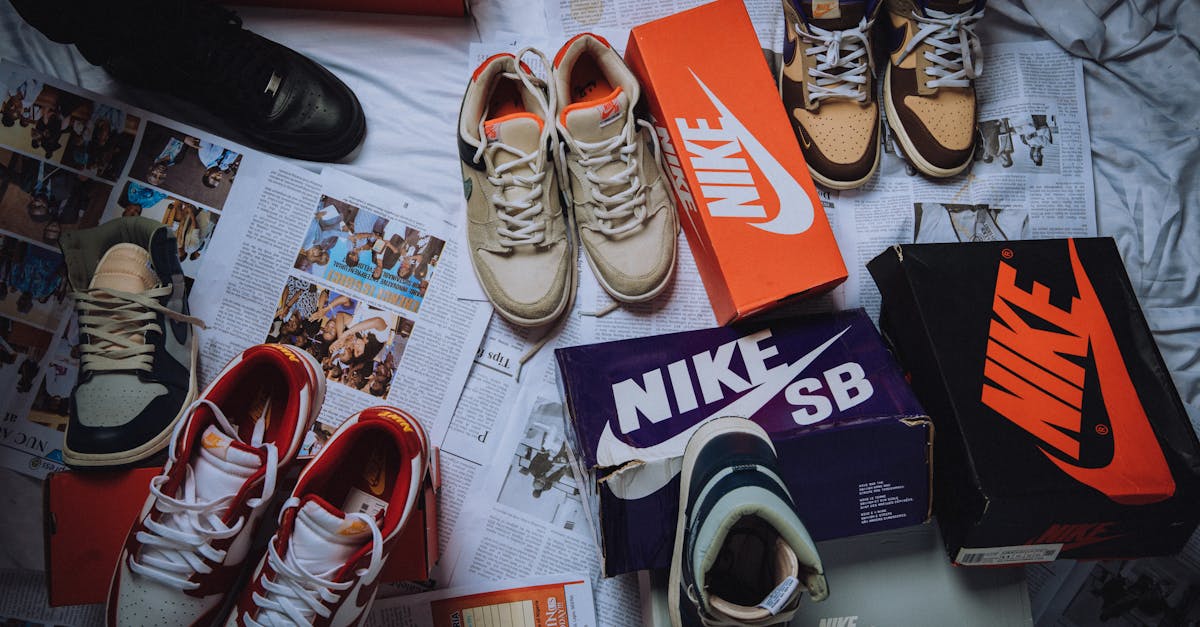
Nike SB – Skateboarding-focused releases often fly under the radar but can yield exceptional returns. Collaborations with local skate shops and artists frequently sell for 3-5x retail.
Apparel: The Overlooked Opportunity
Tech Fleece – Nike’s premium fleece line consistently sells well, with full zip hoodies and joggers commanding $80-$150 on resale platforms. Limited colorways and seasonal releases offer better margins.
Vintage Nike – Original pieces from the 80s and 90s, particularly windbreakers, track jackets, and graphic tees with unique prints, can sell for $50-$200+ depending on condition and rarity.
Nike ACG – The All Conditions Gear line has a cult following, with vintage pieces and limited modern releases both performing well on resale markets.
Collaboration Apparel – Nike x Fear of God, Nike x Sacai, and similar high-fashion collaborations often appreciate significantly, with hoodies and jackets leading the category.
Where to Source Nike Products
Securing Nike inventory at profitable prices requires diversifying your sourcing channels. For limited releases, Nike SNKRS app remains the primary battleground, though success rates are notoriously low. Building relationships with local sneaker boutiques that receive Nike SB and limited releases can provide more consistent access.
Retail arbitrage at Nike Factory Stores and clearance sections yields excellent margins on marked-down general releases. These stores frequently discount seasonal items and less popular colorways that still command full price on resale platforms. Timing visits around end-of-season clearance events maximizes opportunities.
Thrift stores, estate sales, and garage sales remain goldmines for vintage Nike. Many casual sellers don’t recognize the value of original 90s Nike pieces, allowing savvy resellers to acquire inventory at pennies on the dollar. Facebook Marketplace and OfferUp also surface underpriced Nike from motivated local sellers.
Wholesale liquidation pallets occasionally contain Nike products, though quality and authenticity verification are essential. Stick to reputable liquidation companies with verified Nike relationships to avoid counterfeit issues.
How to Authenticate Nike Products
Authentication is critical in Nike resale, as counterfeits have become increasingly sophisticated. Start with the basics: examine the box label for proper formatting, correct SKU numbers, and quality printing. Type the SKU into our Nike style code lookup to confirm the model and colorway it belongs to. Authentic Nike boxes feature specific label layouts that vary by product category and region.
Inside the shoe, the size tag provides crucial authentication data. Check for proper font consistency, correct spacing, and matching information between the tag and box. Fake size tags often have subtle errors in font weight or character spacing.
Construction quality tells a significant story-examine stitching for consistency, inspect glue application for clean lines, and verify material quality matches retail standards. Authentic Nike products undergo rigorous quality control that’s difficult for counterfeiters to replicate perfectly.
For high-value purchases, use professional authentication services like CheckCheck or Legit Check app. StockX and GOAT authenticate items sold through their platforms, providing additional buyer confidence for your listings.
Best Platforms to Sell Nike
StockX and GOAT dominate the sneaker resale market, offering authentication services and access to serious buyers willing to pay premium prices. Fees run 9-15%, but the built-in authentication adds value for buyers and typically commands higher sale prices.
eBay provides flexibility for both sneakers and apparel, with its Authenticity Guarantee program covering sneakers over $100. The massive user base means faster sell-through for properly priced items.
Mercari works well for apparel and moderately priced sneakers, with lower fees and a strong mobile-first user experience. Local pickup options reduce shipping hassles for bulkier items.
Pro Tips for Nike Reselling Success
Follow release calendars religiously. Sites like Sole Retriever and Sneaker News publish complete release schedules. Knowing what’s dropping allows you to plan sourcing strategies and enter raffles strategically.
Join local sneaker groups. Facebook groups and Discord servers focused on your area provide early intel on store releases, restocks, and local selling opportunities. Building relationships with fellow resellers often leads to bulk buying and selling opportunities.
Understand regional pricing. Certain Nike products command significant premiums in specific markets. Japanese buyers often pay more for certain colorways, while European markets favor different styles than US consumers.
Hold strategic inventory. Some Nike releases appreciate significantly over time while others depreciate. Limited collaborations and retro releases of iconic colorways typically gain value, while hype-driven releases sometimes crash after initial excitement fades.
Bundle complementary items. Offering matching apparel with sneaker purchases can increase total order value and differentiate your listings from competitors.
Frequently Asked Questions
How long does it take to sell Nike products?
Popular sneakers in common sizes typically sell within 1-2 weeks on major platforms. Less common sizes and general release apparel may take 2-4 weeks to move.
What’s the best Nike item for beginners to resell?
Start with Nike apparel from thrift stores and clearance racks. Lower risk, easier authentication, and faster sell-through help you learn the market before investing in expensive sneaker releases.
How much money do I need to start reselling Nike?
You can start with as little as $200-$500 by focusing on thrift finds and retail arbitrage. As you build capital and knowledge, reinvest profits into limited releases that offer higher margins.
Are Nike Dunks still profitable in 2026?
Yes, though margins have compressed from peak hype levels. Limited colorways and collaborations still command strong premiums, while general releases offer modest but consistent returns.
Conclusion
Nike represents one of the most reliable and scalable opportunities in the resale market. The brand’s combination of limited releases, enduring classics, and global recognition creates profit opportunities for resellers at every level. Whether you’re flipping thrift store finds for modest margins or securing limited releases for explosive returns, Nike’s diverse product ecosystem supports multiple reselling strategies.
Start by mastering one category-perhaps vintage apparel or general release sneakers-then expand as your capital and expertise grow. With consistent effort and smart sourcing, Nike reselling can generate substantial supplemental income or even support a full-time business.
Related Tools
Calculate your potential profits and fees with our free tools:
- eBay Fee Calculator – Calculate exact eBay fees and net profit on your Nike sales
- ROI Calculator – Determine your return on investment before committing to inventory
Related articles
full fashion brand resale directory — athletic and sneaker tier
Quick-reference directory of 80+ fashion brands graded by resale potential, best selling platform, and category. Find which brands consistently deliver 50%+ ROI and which require specialist sourcing knowledge.
best sneakers to flip for profit
Best items to resell in 2026, from game consoles and outdoor clothing to high-margin small replacement parts, ranked by profit, risk, and sell speed.
beginner guide to sneaker reselling
Start with items you own, choose one sourcing lane, list your first products, and avoid beginner mistakes before scaling.
sourcing Nike at thrift stores
Why thrift stores in wealthy neighborhoods have dramatically better inventory. Top affluent zip codes for thrifting, what wealthy donors give away, and strategies for finding designer items.
Tools that help with this topic
look up any Nike style code or SKU
Type a Nike style code, SKU or UPC to see the model, colorway, kids and women's versions, factory and production dates, then check what it sold for.
Nike sold comps on eBay
Build source-backed sold-comp research links for eBay Advanced Search, eBay Product Research, Mercari, and Poshmark, plus a 7-comp pricing worksheet.
sneaker flip profit calculator
Calculate net profit, ROI, margin, break-even price, and target sale price after marketplace fees, shipping, reserves, and labor. Free calculator included.