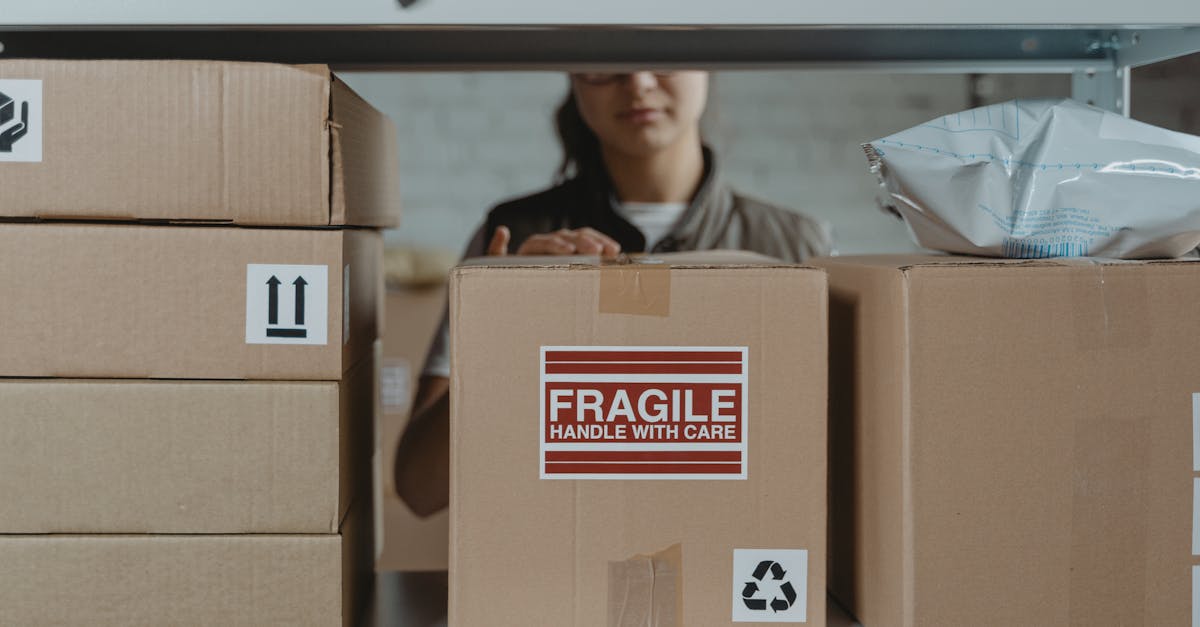
Shipping fragile items is one of the most anxiety-inducing aspects of reselling. Whether you’re sending vintage glassware, ceramic figurines, or delicate electronics, one wrong move can turn your profitable sale into a costly insurance claim. The good news? With the right techniques and materials, you can ship even the most fragile items with confidence.
This complete guide covers everything you need to know about how to ship fragile items safely, from selecting the right packing materials to choosing the best carrier for your delicate merchandise.
Why Proper Fragile Shipping Matters for Resellers
Before diving into techniques, let’s understand what’s at stake. According to shipping industry data, approximately 11% of packages arrive damaged, with fragile items facing even higher risk. For resellers, damaged items mean:
- Lost profits from refunds and replacements
- Negative feedback that tanks your seller ratings
- Wasted time filing claims and handling disputes
- Lost customers who won’t return after a bad experience
Investing in proper packing materials and techniques isn’t an expense-it’s insurance for your reputation and profits.
Essential Packing Materials for Fragile Items
Building a proper packing station starts with having the right supplies on hand. Here’s your complete materials checklist with current 2026 costs:
Primary Packing Materials
Bubble Wrap The classic choice for cushioning fragile items. Look for wrap with larger bubbles (1-inch) for maximum protection.
- Small roll (12" x 30’): $8-12
- Large roll (12" x 175’): $25-35
- Cost per shipment: $0.50-2.00
Packing Paper (Newsprint) Clean, ink-free paper for wrapping items and filling voids. Essential for packing glass for shipping.
- 25 lb bundle (approximately 400 sheets): $20-30
- Cost per shipment: $0.25-0.75
Foam Sheets Soft foam provides a protective layer between items and prevents scratching.
- Pack of 50 (12" x 12"): $15-20
- Cost per shipment: $0.30-0.60
Packing Peanuts Biodegradable options are now standard. Great for filling voids but can shift during transit.
- 3.5 cubic feet bag: $15-25
- Cost per shipment: $1.00-3.00
Boxes and Containers
Corrugated Cardboard Boxes Always use new or like-new boxes for fragile items. Compromised boxes offer reduced protection.
- Small (8x6x4): $0.50-1.00 each
- Medium (12x10x8): $1.50-2.50 each
- Large (18x14x12): $3.00-5.00 each
Double-Wall Boxes These feature two layers of corrugated cardboard for extra strength-essential for heavy fragile items.
- Medium sizes: $2.50-4.00 each
- Large sizes: $5.00-8.00 each
Specialty Boxes Pre-made boxes designed for specific fragile items:
- Dish pack boxes (dish barrels): $8-15 each
- Wine shippers (holds 1-12 bottles): $5-25 each
- Mirror/picture boxes: $8-20 each
Protective Inserts and Dividers
Cell Dividers Cardboard inserts that separate multiple items within one box.
- 12-cell dividers: $1.50-3.00 each
- Custom sizes available from packaging suppliers
Foam Corner Protectors Essential for framed items and electronics.
- Pack of 8: $5-10
- Cost per shipment: $1.25-2.50
Inflatable Air Pillows Modern alternative to peanuts-doesn’t shift and uses less material.
- Pack of 150: $25-35
- Cost per shipment: $0.50-1.00
Sealing and Labeling Supplies
Packing Tape Use quality 2-inch or 3-inch tape rated for shipping.
- 6-roll pack: $15-25
- Cost per shipment: $0.20-0.40
Fragile Stickers/Labels While not guaranteed protection, they signal handlers to use care.
- Roll of 500: $8-15
- “This Side Up” arrows: $6-12
Tape Gun/Dispenser Speeds up your packing process significantly.
- Quality dispenser: $15-30
Total Supply Cost Estimate
For a typical fragile item shipment using quality materials:
- Minimum (small item): $3-5 in materials
- Standard (medium item): $5-10 in materials
- Premium (large/valuable item): $10-20 in materials
The Double Boxing Technique: Step-by-Step
The double boxing method is the gold standard for shipping fragile items. This technique provides two layers of protection that dramatically reduce damage rates.
When to Use Double Boxing
Double boxing is recommended for:
- Glass items (vases, glassware, mirrors)
- Ceramics and pottery
- Porcelain figurines and collectibles
- Vintage or antique items
- Electronics with screens
- Items valued over $50
- Anything irreplaceable
Step-by-Step Double Boxing Process
Step 1: Prepare the Item
- Clean the item to remove dust or debris
- If the item has removable parts, separate and wrap individually
- For items with lids, secure the lid to the base with painter’s tape (won’t leave residue)
Step 2: Wrap the Item
- Place the item on 2-3 sheets of packing paper
- Wrap completely, tucking paper into openings
- Secure with tape
- Add a layer of bubble wrap, bubbles facing inward
- Secure bubble wrap with tape-don’t skimp here
Step 3: Pack the Inner Box
- Select a box 2-3 inches larger than your wrapped item on all sides
- Add 2 inches of cushioning material to the bottom
- Place the wrapped item in the center
- Fill all sides with cushioning-no empty spaces
- Add 2 inches of cushioning on top
- Close and seal with the H-taping method (across the seam and both edges)
Step 4: Test the Inner Box
The shake test is crucial:
- Pick up the sealed inner box
- Shake gently in all directions
- You should feel NO movement inside
- If anything shifts, open and add more cushioning
Step 5: Prepare the Outer Box
- Select a box 3-4 inches larger than your inner box on all sides
- For double-wall construction, you can go with 2-3 inches
- Add 2 inches of cushioning to the bottom
Step 6: Final Assembly
- Center the inner box in the outer box
- Fill all gaps with cushioning material
- Add cushioning on top
- Seal with H-tape method
- Apply fragile labels on multiple sides
- Add “This Side Up” arrows if applicable
Pro Tips for Double Boxing
- Save shipping costs: Use our Dimensional Weight Calculator to estimate shipping costs before selecting outer box dimensions
- Alternate materials: Use crumpled paper between boxes and bubble wrap inside for varied protection
- Mark the inner box: Write “FRAGILE - INNER BOX” in case the outer box is damaged during shipping
- Document everything: Photograph your packing process for insurance claims
Packing Glass for Shipping: Special Techniques
Build the material list from the reseller packaging and shipping supplies guide before packing the glass.
Glass requires extra attention due to its weight and susceptibility to both impact and pressure damage. Here’s how to pack glass for shipping like a pro:
Glassware (Cups, Vases, Bowls)
- Stuff hollow items: Fill the inside with crumpled paper or bubble wrap
- Wrap individually: Each piece gets its own bubble wrap cocoon
- Double the bottom: Glass bottoms are most vulnerable-add extra padding
- Pack upright when possible: Glasses and vases should stand upright in the box
- Use cell dividers: When shipping multiple glasses, keep them separated
Flat Glass (Mirrors, Picture Frames, Glass Shelves)
- Apply painter’s tape: Create an X pattern across the glass surface-if it breaks, shards stay together
- Add corner protectors: Foam or cardboard corners protect the most vulnerable points
- Face-to-face packing: When shipping two framed items, place glass faces together with foam between
- Use mirror boxes: These specialty boxes provide ideal protection for flat glass
Glass Figurines and Collectibles
- Wrap protruding parts separately: Arms, wings, or delicate extensions need individual wrapping
- Create a “nest”: Mold tissue paper or foam around the item’s shape
- Avoid pressure points: Thin areas shouldn’t bear the weight of cushioning above
- Consider custom foam: For repeat shipments of similar items, custom-cut foam inserts are worth the investment
Common Glass Shipping Mistakes
- Using too small a box (insufficient cushioning space)
- Letting glass items touch each other
- Using only packing peanuts (they shift and provide uneven protection)
- Skipping the double box for “sturdy” glass
- Over-packing to the point of pressure damage
Insurance Options for Fragile Items
Even with perfect packing, accidents happen. Insurance is your financial safety net.
Carrier-Included Insurance
Most carriers include basic coverage:
USPS
- Priority Mail: $100 included
- Priority Mail Express: $100 included
- First Class/Ground Advantage: None included
- Additional insurance: $0-$150 (fee varies)
UPS
- All services: $100 included
- Declared value coverage: Add at shipping time
FedEx
- All services: $100 included
- Declared value coverage: Available up to $50,000
Third-Party Insurance Options
Third-party insurance often costs less than carrier options:
Shipsurance
- Coverage up to $10,000
- Costs approximately 0.8% of declared value
- Works with multiple carriers
U-PIC
- Coverage up to $25,000
- Quick claims processing
- Popular with eBay sellers
Pirate Ship Insurance
- Built into their shipping platform
- Competitive rates
- Easy claims process
Insurance Cost Comparison (2026)
For a $200 declared value fragile item:
| Provider | Cost | Claims Process |
|---|---|---|
| USPS | $4.60 | Moderate (5-10 days) |
| UPS | $3.50 | Moderate (7-10 days) |
| FedEx | $3.00 | Good (5-7 days) |
| Shipsurance | $1.60 | Fast (3-5 days) |
When to Buy Extra Insurance
Always add insurance when:
- Item value exceeds included coverage
- Shipping vintage or antique items
- Item is irreplaceable
- Your profit margin can absorb the insurance cost
- Shipping internationally
Filing a Successful Insurance Claim
Set yourself up for successful claims:
- Photograph before packing: Show item condition
- Photograph your packing: Document materials used
- Keep receipts: Prove item value and shipping costs
- Save tracking: Evidence of shipping and delivery
- Get buyer photos: Document damage immediately
- File promptly: Most carriers have time limits (15-60 days)
Carrier Selection for Fragile Items
Not all carriers handle fragile items equally. Here’s how to choose the best option for your shipment:
USPS (United States Postal Service)
Best for: Smaller fragile items, budget shipments
Pros:
- Competitive pricing for light packages
- Extensive delivery network
- Saturday delivery included
- Free pickup available
Cons:
- More handling points increase damage risk
- Package size/weight limitations
- Claims process can be slow
Fragile-Friendly Services:
- Priority Mail (faster = less handling)
- Priority Mail Express (premium handling)
UPS (United Parcel Service)
Best for: Medium to large fragile items, valuable merchandise
Pros:
- Generally gentler handling
- Excellent tracking
- Reliable delivery windows
- Better claims experience
Cons:
- Higher base prices
- Dimensional weight pricing hits hard
- Residential delivery fees
Fragile-Friendly Services:
- UPS Ground (cost-effective, good handling)
- UPS 2nd Day Air (faster transit = less risk)
FedEx
Best for: High-value fragile items, time-sensitive shipments
Pros:
- Professional handling reputation
- Excellent tracking technology
- Multiple service levels
- Strong commercial network
Cons:
- Premium pricing
- Aggressive dimensional weight calculations
- Some remote area gaps
Fragile-Friendly Services:
- FedEx Ground (best value)
- FedEx Express Saver (faster with good handling)
Regional Carriers
Don’t overlook regional options like OnTrac, Spee-Dee, or LSO. They often provide:
- Competitive pricing
- Fewer handling points
- Personalized service
- Better damage rates in their regions
Carrier Comparison for Fragile Items
| Factor | USPS | UPS | FedEx |
|---|---|---|---|
| Handling Care | ★★★ | ★★★★ | ★★★★ |
| Pricing | ★★★★ | ★★★ | ★★★ |
| Claims Process | ★★★ | ★★★★ | ★★★★ |
| Tracking | ★★★ | ★★★★★ | ★★★★★ |
| Best For Weight | <1 lb | 1-20 lbs | 1-20 lbs |
Timing Considerations
Shipping timing affects fragile item safety:
- Avoid holiday rushes: Higher volumes mean rougher handling
- Ship early in the week: Monday-Wednesday arrivals avoid weekend warehouse sitting
- Choose faster services when possible: Less time in transit means fewer handling events
- Weather awareness: Extreme temps can affect some fragile items (avoid leaving on porches)
Advanced Techniques for Specific Fragile Items
Electronics
- Remove batteries when possible
- Use original packaging if available
- Apply screen protectors before packing
- Static-free bags for sensitive components
- Include silica gel packets for moisture control
Vintage Items and Antiques
- Research item-specific packing requirements
- Consult collector forums for best practices
- Consider custom crating for high-value pieces
- Always insure for full replacement value
- Document provenance and condition thoroughly
Ceramics and Pottery
- Fill hollow spaces completely
- Double-wrap handles and spouts
- Pack heavier items at the box bottom
- Never stack ceramics directly on each other
- Use foam dividers between pieces
Artwork and Framed Items
- Glassine paper over artwork surface
- Corner protectors on all frames
- “Glass” marking even on acrylic
- Cardboard sandwich for extra protection
- Consider specialty art shipping services for valuable pieces
Cost-Effective Fragile Shipping Strategies
Shipping fragile items safely doesn’t have to break the bank. Here are money-saving strategies:
Reduce Dimensional Weight
Dimensional weight pricing means oversized boxes cost more. Use our Dimensional Weight Calculator to optimize box sizes while maintaining protection.
Tips:
- Choose the smallest outer box that allows proper cushioning
- Use denser packing materials that take less space
- Consider vacuum-sealing bubble wrap layers
Buy Supplies in Bulk
Volume purchasing significantly reduces per-shipment costs:
| Supply | Single Purchase | Bulk Price | Savings |
|---|---|---|---|
| Bubble wrap | $0.15/ft | $0.06/ft | 60% |
| Boxes (med) | $2.50 each | $1.50 each | 40% |
| Packing paper | $0.08/sheet | $0.04/sheet | 50% |
Source Free Supplies
- USPS Priority Mail boxes (free, but must ship Priority)
- Local stores (liquor stores have great dividers)
- Buy Nothing groups and Facebook Marketplace
- Amazon packaging (the air pillows are reusable)
Optimize Your Process
- Batch similar items for efficient packing
- Create packing stations for different item types
- Train yourself on consistent techniques
- Time your packing to improve efficiency
Building Your Fragile Shipping Checklist
Create a repeatable process with this checklist:
Before Packing
- [ ] Item cleaned and inspected
- [ ] Photographs taken of item condition
- [ ] Appropriate materials gathered
- [ ] Box sizes selected
- [ ] Insurance requirements determined
During Packing
- [ ] Item wrapped in paper/tissue
- [ ] Bubble wrap layer applied
- [ ] Inner box prepared with cushioning
- [ ] Item placed and surrounded
- [ ] Shake test passed
- [ ] Outer box prepared
- [ ] Inner box placed and surrounded
- [ ] Final seal with H-tape
After Packing
- [ ] Fragile labels applied
- [ ] Directional arrows added (if needed)
- [ ] Weight and dimensions recorded
- [ ] Shipping label created
- [ ] Insurance purchased
- [ ] Tracking number saved
- [ ] Buyer notified
Common Fragile Shipping Mistakes to Avoid
Learn from others’ expensive lessons:
- Reusing damaged boxes: Compromised structural integrity fails under stress
- Insufficient cushioning: The minimum 2 inches on all sides is truly a minimum
- Wrong tape: Masking tape and duct tape fail in humidity and temperature changes
- Newspaper for wrapping: Ink transfers to items; use clean packing paper
- Trusting “Fragile” labels alone: They help but don’t guarantee gentle handling
- Skipping insurance: One claim-worthy break costs more than a year of premiums
- Rushing the packing: Speed creates mistakes; consistency prevents damage
- Ignoring weight distribution: Heavy items should sit centered and low
- Over-packing: Too much pressure is as bad as too little cushioning
- Not testing: The shake test catches problems before the carrier does
Conclusion: Shipping Fragile Items with Confidence
Mastering how to ship fragile items transforms one of reselling’s biggest anxieties into a competitive advantage. When you can confidently list and ship delicate items that other sellers avoid, you access inventory others can’t touch.
The investment in quality materials and proper techniques pays dividends through:
- Fewer damaged item claims
- Higher seller ratings
- Repeat customers who trust your packaging
- Access to higher-margin fragile inventory
- Peace of mind with every shipment
Remember these key principles:
- Never skimp on materials for fragile items-the cost is minimal compared to damage claims
- Double boxing is standard practice, not overkill
- Insurance is essential for valuable items
- Carrier selection matters-choose based on your specific needs
- Consistency in your process prevents mistakes
Start implementing these techniques with your next fragile shipment. Your customers-and your profit margins-will thank you.
Ready to optimize your shipping costs? Try our Dimensional Weight Calculator to find the most cost-effective box sizes for your fragile items while maintaining proper protection.