Vintage Hand Tools Resale Guide: Snap-On & Stanley
By the Numbers
Store ratings checked Sep 27, 2026. How we count
Tools remain one of the most overlooked and consistently profitable niches in the reselling world. While other flippers fight over sneakers, electronics, and trendy clothing, smart resellers are quietly pocketing serious money from garage sale tool hauls. The fundamentals couldn’t be stronger: contractors need tools daily, quality brands hold value for decades, and most sellers have no idea what their tools are actually worth.
Unlike fashion that cycles through trends or electronics that depreciate the moment a new model drops, hand tools and power tools maintain their value based on pure utility. A 15-year-old Snap-On ratchet works just as well as a new one-and plenty of mechanics prefer the older American-made versions. This creates a resale market where knowledge beats competition, and patient sourcing delivers consistent profits.
The tool flipping opportunity exists because of a fundamental knowledge gap. The estate sale pricing “old tools” at $5 each doesn’t know they’re selling a $200 vintage Stanley plane. The retiring contractor posting a “tool cleanout” on Facebook doesn’t realize his M18 Milwaukee collection would fetch $2,000+ parted out on eBay. That gap is your margin.
Quick Stats: Tool Resale Market 2026
| Metric | Value |
|---|---|
| Average Profit Margin | 60-150% on quality brands |
| Best ROI Categories | Snap-On hand tools, Milwaukee cordless, vintage planes |
| Typical Flip Timeline | 7-21 days |
| Sweet Spot Price Range | $50-$400 per item |
| Market Demand | Year-round with spring peaks |
| Primary Buyers | Contractors, mechanics, woodworkers, collectors |
Hand-Tool-First Sourcing Map
This guide is most useful when you treat power tools as context and hand tools as the main target. If you are trying to understand cordless battery platforms, read the power tools flipping guide. If you are standing over an estate-sale workbench with boxes of wrenches, planes, machinist tools, meters, sockets, and old tool rolls, stay here.
Use this order before you buy a mixed hand-tool lot:
- Pull truck-brand automotive tools first. Snap-On, Mac, Matco, SK, Proto, Cornwell, and older USA Craftsman deserve closer model checks.
- Separate woodworking tools. Stanley Bailey/Bedrock planes, Disston saws, Marples/Sorby chisels, Starrett squares, and quality spokeshaves have a different buyer base than mechanic tools.
- Find precision and test equipment. Starrett, Mitutoyo, Brown & Sharpe, Fluke, Megger, and Klein can hide inside ordinary shop drawers.
- Check completeness before condition. A matched wrench or socket set with normal wear can beat a cleaner pile of random singles.
- Run sold comps by model number, not brand name. “Snap-On wrench” is too broad. “Snap-On OEXM710B” or the exact ratchet model gets you closer to the real market.
That separation matters because the buyer intent is different. A mechanic wants usable chrome, a woodworker wants flat soles and complete adjusters, a collector wants age/markings, and an electrician wants test-equipment reliability.
Power Tools: The Big Money Category
Power tools deliver the flashiest returns in tool flipping. A single cordless tool kit sourced right can net $150-$300 profit. Understanding battery platforms, model hierarchies, and brand loyalty is essential for maximizing this category.
Milwaukee: The Red Gold Standard
Milwaukee dominates the professional market in 2026. Their M18 battery platform has become the de facto standard on job sites across America, creating an ecosystem where contractors invest thousands in batteries and need compatible tools constantly.
M18 FUEL Line: Milwaukee’s professional-grade brushless tools command top dollar. The M18 FUEL impact driver (model 2967) regularly sells for $180-$220 used in good condition. Combo kits with multiple tools, batteries, and chargers can exceed $400 on the resale market.
M12 Compact System: Don’t overlook the smaller M12 line. Electricians and HVAC technicians love these compact tools. The M12 FUEL installation drill/driver sells for $120-$150 used, and specialty M12 tools like the soldering iron or cable cutter fetch premiums from trade professionals.
What to Pay: Aim to source M18 FUEL tools for 25-35% of current retail. A FUEL impact driver retailing for $229 is worth buying at $60-$80 if functional with battery. M12 tools at $30-$50 each flip reliably for $80-$140 depending on model.
DeWalt: The Yellow Faithful
DeWalt’s contractor following rivals Milwaukee’s. Their 20V MAX system has been the industry standard for over a decade, and the newer FLEXVOLT lineup attracts serious woodworkers and carpenters.
20V MAX Line: DeWalt’s bread-and-butter platform. Impact drivers, drills, and circular saws in this line sell consistently. A 20V MAX impact driver in good condition fetches $100-$140. Look for combo kits-a 4-tool kit with batteries can sell for $350-$450.
FLEXVOLT Tools: DeWalt’s high-output system powers demanding tools like miter saws and table saws. FLEXVOLT batteries alone sell for $80-$120 used because they work with standard 20V tools while providing extra power for larger equipment.
Sourcing Sweet Spot: Buy DeWalt bare tools (no battery) at $40-$60 each, add batteries if you source them separately, and sell complete kits. The combo kit approach moves faster than individual tools.
Makita: The Teal Professionals
Makita enjoys fierce loyalty among finish carpenters, woodworkers, and international contractors. Their 18V LXT platform has thousands of compatible tools.
LXT Platform: Makita’s workhorse system. The XPH07 hammer drill and XDT16 impact driver are particularly sought-after. Used prices run $100-$160 for top-tier brushless models.
XGT 40V Line: Makita’s newer high-power system attracts buyers wanting maximum performance. These tools command premium prices-expect $150-$250 for XGT items in good condition.
Collector Appeal: Makita’s distinctive teal color and quality reputation create collector interest. Older LXT tools from the 2010-2018 era, especially limited editions, sometimes sell above original retail to enthusiasts building complete collections.
Festool: The Premium Play
Festool occupies the ultra-premium tier-these German-engineered tools serve serious woodworkers who demand precision. The prices reflect the quality.
What Sells: Festool track saws (TS 55 REQ, TS 75 EQ) sell for $400-$600 used. Sanders (Rotex RO 150, ETS 150) fetch $250-$400. The Domino joiner (DF 500, DF 700) commands $600-$900 used because nothing compares.
Dust Extraction: Festool’s CT dust extractors pair with their tools. Used extractors sell for $350-$550, often to buyers completing their Festool workshop.
Sourcing Reality: Festool rarely appears at garage sales-owners know the value. Watch for estate sales from serious woodworkers, workshop liquidations, and occasional Facebook Marketplace listings from people inheriting tools they don’t understand.
Vintage Power Tools That Still Sell
Not every profitable power tool is cordless and new. Certain vintage and discontinued tools maintain strong collector and user demand.
Craftsman USA (Pre-2000): When Craftsman meant American-made quality. Vintage bench grinders, drill presses, and table saws in working condition attract buyers nostalgic for that era. Expect $50-$150 depending on the tool.
Early DeWalt Radial Arm Saws: These beasts from the 1970s-1990s still function beautifully. Working models sell for $200-$400 to woodworkers who appreciate their precision.
Porter-Cable Older Models: The classic Porter-Cable 690 router and vintage belt sanders have devoted followings. Functional units sell for $75-$150.
Delta and Rockwell: Vintage floor-standing tools from these American brands-jointers, planers, table saws-find buyers among serious hobbyists. Prices vary wildly from $100 to $500+ based on condition and model.
Harbor Freight Arbitrage: A Cautionary Tale
Harbor Freight tools generally have minimal resale value-buyers seeking cheap tools buy new from Harbor Freight directly. However, specific exceptions exist.
Icon Tools: Harbor Freight’s premium Icon line actually holds some resale value. Icon ratchets of breaker bars occasionally sell for 60-70% of retail used.
Predator Generators: These have functional value that sustains moderate resale. A used Predator 3500 inverter generator can sell for $300-$400.
The Reality: Don’t build your business around Harbor Freight arbitrage. Focus on premium brands where the margin and buyer base justify your time.
Hand Tools Worth Flipping
Hand tools offer different dynamics than power tools-no batteries to worry about, minimal testing required, and timeless appeal that can span generations.
Snap-On: The Crown Jewel
Snap-on’s official history traces the company to the 1920 interchangeable-handle-and-socket concept, and its current brand page describes a much broader portfolio of hand tools, power tools, storage, diagnostics, equipment, and related systems. That history explains recognition; it does not establish the resale value of an individual wrench.
Current-source check, August 20, 2026: verify brand and history claims against Snap-on’s company history and current brands page. Snap-on’s Hand Tool Identification, Safety and Usage certification sheet is useful for the company’s tool-identification categories and safety emphasis, but it is not a collector price guide or a universal date-code decoder.
What can command a premium: an exact buyer-searchable model, useful size, complete matched sequence, working mechanism, legible marks, limited owner engraving, and current same-model demand. Establish the amount with eBay Product Research, not a generic percentage of truck price or a remembered forum range.
Critical Warning: Snap-On tools are frequently stolen. Exercise extreme caution with large collections or suspicious sourcing situations. Ask for receipts, avoid parking lot transactions, and trust your instincts. Purchasing stolen tools creates legal liability and ethical problems. Estate sales and known sellers provide the safest sourcing.
What to check in the first minute:
| Snap-On clue | Why it matters |
|---|---|
| Clear model stamping | Buyers search by exact model; unreadable markings reduce confidence |
| Matching wrench series | Mixed singles are fine, but matched OEX/OEXM-style sets bring stronger bundle demand |
| Ratchet head play | Excess slop or missing direction switch parts lowers value fast |
| Chrome condition | Light shop wear is normal; peeling chrome, owner engravings, and deep rust need discounts |
| Seller story | Retired mechanic estate beats anonymous trunk lot every time |
Do not promise warranty outcomes in your listing. Mention the exact model, size, country marking, condition, owner engraving, and whether the mechanism works smoothly. Let the buyer decide how they value the brand.
Verify the mark without inventing a date
Brand stamps, model codes, patent text, city names, logo forms, and country marks are evidence fields—not automatic production dates. Use this order:
- Photograph every mark under even light, including the reverse, handle, head, selector, and any case label.
- Transcribe the mark exactly; do not expand a partial stamp from memory.
- Search the exact model in the current manufacturer catalog or official product site.
- For discontinued tools, look for a dated manufacturer catalog, patent record, instruction sheet, or other primary document that shows the same model and mark.
- Record a date range only when the source constrains it. Otherwise list the observable mark and say “production date not verified.”
- Compare sold examples only after identity is established; similar chrome and logo shape do not prove the same model or era.
The official sources checked for this update do not publish one universal Snap-on stamp-to-year table. Treat an uncited collector chart as a research lead, then corroborate it before putting a year in the listing title.
Mac Tools and Matco
These truck brands compete directly with Snap-On and carry similar professional credibility.
Mac Tools: Red-branded mechanics’ tools with comparable quality to Snap-On. Ratchets sell for $60-$100, and wrench sets fetch $100-$300. Mac often prices slightly below Snap-On on the resale market.
Matco: The silver/chrome tools attract the same buyer base. Complete Matco socket sets can sell for $200-$400 depending on size and condition. Matco-branded toolboxes command premium prices to mechanics matching their tool collection.
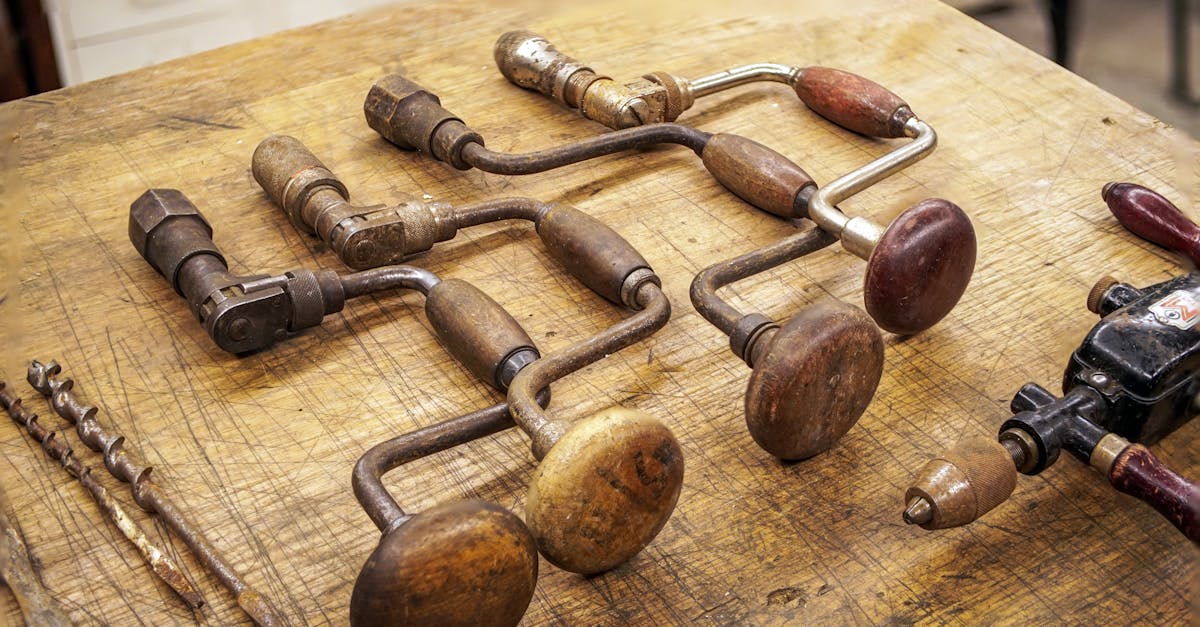
Vintage Stanley: Woodworker Gold
Stanley hand tools from the early-to-mid 20th century represent treasure for knowledgeable flippers. Serious woodworkers pay substantial premiums for vintage quality.
Hand Planes: A vintage Stanley Bailey No. 4 smoothing plane in good condition sells for $60-$120. Rarer models like the No. 1 or specialty planes (rebate, shoulder, router) can exceed $300-$500. The Stanley Bedrock line commands even higher prices-a Bedrock 605 in excellent condition might fetch $200-$350.
Chisels: Vintage Stanley “100 Plus” or “750” series chisels sell for $20-$40 each. Complete matched sets can exceed $150-$200.
Combination Squares: Before Chinese imports, Stanley made precision measuring tools. Vintage 12" combination squares sell for $30-$60.
Identification Tips: Look for “Made in USA” stamps, Patent dates (especially pre-1960), and the distinctive Stanley sweetheart logo on early pieces. Condition matters enormously-rust and damage reduce values significantly.
Stanley plane checklist before you pay:
| Check | Good sign | Pass or discount heavily |
|---|---|---|
| Sole and mouth | Flat enough for use, no cracks around mouth | cracked sole, broken casting, severe pitting |
| Frog and adjuster | Complete frog, lateral lever, depth adjuster, and tote hardware | missing frog/lever or replacement parts you cannot identify |
| Iron/chipbreaker | Stanley-marked iron with usable length left | blade sharpened too short, missing chipbreaker |
| Tote and knob | Tight wood, repairable cracks, original-looking shape | missing tote/knob, severe breaks, mismatched hardware |
| Type clues | patent dates, sweetheart logo, Bedrock markings, corrugated sole notes | no markings and no buyer-searchable identity |
A dirty complete plane is usually better than a shiny incomplete one. Woodworkers can clean rust; they cannot easily replace missing original parts without turning your flip into a parts hunt.
German Precision: Knipex, Wera, and Wiha
European hand tool brands command premium prices from professionals who appreciate genuine quality.
Knipex Pliers: The German plier manufacturer produces tools that mechanics and electricians swear by. Knipex Cobras sell for $30-$50 used. Complete Knipex sets can exceed $150-$200. These rarely appear at garage sales but occasionally surface at estate sales.
Wera Screwdrivers: The distinctive multi-colored handles identify these professional-grade drivers. Wera sets sell for $40-$80 used. Individual specialty bits and drivers also have resale value.
Wiha: Another German precision brand popular with electronics technicians and industrial workers. Wiha insulated screwdriver sets and ESD-safe tools sell well to electrical professionals.
Vintage Mechanic Tool Sets
Complete vintage tool sets from American manufacturers trigger nostalgia buying and practical appreciation.
Craftsman USA Sets: A complete pre-2000 Craftsman mechanic’s set in the original case can sell for $150-$400 depending on comprehensiveness and condition.
SK Tools: Professional-grade American brand with devoted following. SK socket sets and wrench sets command $100-$300.
Proto and Blackhawk: Industrial-grade American tools found in shops and factories. Complete sets from these brands sell to professionals who appreciate the heritage.
Specialty and Niche Tools
Beyond general hand and power tools, specialty categories offer exceptional margins for knowledgeable flippers.
Woodworking Specialty Tools
Specialty Planes: Veritas and Lie-Nielsen modern precision planes sell for 60-70% of retail used. Vintage infill planes (Norris, Spiers) can command thousands from collectors.
Quality Chisels: Japanese chisels, Lie-Nielsen, and vintage English brands (Marples, Sorby) attract woodworker buyers at strong prices.
Router Bits and Accessories: Premium Whiteside, Amana, and CMT router bits sell well. Router tables from Kreg, Jessem, and Incra move quickly.
Woodworking Jigs: The Leigh dovetail jig ($250-$350 used), Festool Domino accessories, and precision fence systems all have strong resale markets.
Automotive Specialty Tools
Diagnostic Scan Tools: Professional-grade scanners from Snap-On, Autel, and Launch sell for hundreds used. A Snap-On Solus or Autel MaxiSys can fetch $1,000-$3,000 depending on model and software subscription status.
Specialty Pullers and Extractors: Ball joint presses, bearing pullers, and harmonic balancer tools sell for $40-$150 depending on brand and type.
Electronic Specialties: Oscilloscopes, multimeters, and testing equipment for automotive electrical work command premiums from professional mechanics.
Electrical Test Equipment
Fluke Multimeters: The gold standard in electrical testing. A Fluke 87V multimeter retails for $450+ and sells used for $200-$300. Even basic Fluke models like the 115 fetch $80-$120 used.
Megger Testing Equipment: Industrial electrical testing gear sells for hundreds to serious commercial electricians.
Klein Tools: The electrician’s workhorse brand. Klein cable cutters, strippers, and specialty tools sell for decent margins, particularly in sets.
Testing note: Do not list a meter as “tested” because the screen powers on. For Fluke, Klein, Megger, and other electrical tools, describe exactly what you checked: display, dial positions, continuity beep, probe condition, battery compartment, case damage, and whether calibration is unknown. If you cannot safely verify accuracy, say so and price accordingly.
Machinist Tools and Measuring Instruments
Machinist tools are easy to miss because they often look like small metal boxes, wooden cases, or old rulers. Serious buyers care about precision, brand, completeness, and whether the tool still moves smoothly.
Brands to pull aside:
- Starrett combination squares, micrometers, depth gauges, and dial indicators
- Mitutoyo calipers and micrometers
- Brown & Sharpe measuring tools
- Lufkin and Union Tool machinist rules
- Kennedy machinist boxes, especially when full of labeled tools
Buy with caution when:
- the measuring faces are chipped or visibly worn
- dial indicators stick or do not return to zero
- calipers have battery corrosion or missing jaws
- wooden cases are empty or mismatched
- estate-sale staff priced the whole box as “precision tools” without opening it
Machinist tools can be slow but profitable because the buyer pool is specialized. The listing needs clear photos of markings, movement, jaws, faces, cases, and any included standards.
Plumbing Specialty Tools
Ridgid Press Tools: These expensive pipe crimping systems sell for $500-$2,000+ used depending on model and included jaws. Plumbers need specific jaw sizes-individual jaws sell for $100-$300.
Quality Pipe Wrenches: Ridgid heavy-duty wrenches, especially larger sizes (24", 36", 48"), sell for $40-$100 each.
Drain Cleaning Equipment: Professional drain machines from Ridgid and General can sell for $300-$1,000+ depending on size and type.
Sourcing Tools: Where the Deals Hide
Estate Sales: The Primary Gold Mine
Estate sales remain the single best source for tool flipping. When a tradesperson or serious hobbyist passes away, their accumulated tools often sell at substantial discounts.
Strategy: Use EstateSales.net, EstateSales.org, and local Facebook groups to find sales. Check photos for workshop pictures. Arrive early (or pay for early-bird access). Bring cash and be prepared to buy entire lots.
What to Expect: Estate sale companies typically price tools 30-50% below retail for recognizable brands. Vintage and specialty items often price even lower because appraisers lack expertise. The key opportunity lies in knowledge asymmetry-you know what’s valuable, they’re guessing.
Garage Sales and Yard Sales
Traditional garage sale hunting requires more effort but still produces finds.
Negotiating Lots: When you find a garage sale with tools, offer to buy everything at a bulk discount. A homeowner asking $5-$10 per tool might accept $100 for a pile of 30 items. Your profit hides in that volume.
Early Arrival: Show up first. Serious tool flippers arrive at opening time or even scout addresses the night before. The best items disappear within the first hour.
Cash Is King: Bring small bills. The $100 lot deal only works if you can pay cash on the spot.
Facebook Marketplace
Facebook Marketplace connects you directly with sellers, often pricing below market.
Alert Setup: Save searches for brand names-Milwaukee, DeWalt, Snap-On. Check multiple times daily. Seriously underpriced tools sell within hours.
Pickup Logistics: Facebook excels for local pickup, avoiding shipping hassles on heavy tools. Plan efficient pickup routes when multiple deals appear in the same area.
Negotiation Reality: Most Facebook sellers expect some negotiation. A firm but fair offer 10-20% below asking often succeeds, especially on listings sitting more than a week.
Pawn Shops: Relationship Building
Pawn shops represent inconsistent but potentially lucrative sourcing.
Price Variation: Some pawn shops research and price accurately. Others apply blanket percentages that ignore brand value differences. The latter become your best sources.
Building Relationships: Visit regularly. Introduce yourself as interested in tools. Some pawn managers will notify preferred customers when interesting items come in. This access beats random shopping.
Negotiation Room: Pawn shop prices are negotiable, especially for items sitting in cases for months. Ask about discount for multiple items or cash payment.
Auctions: Industrial and Business Liquidations
When businesses close, their tools often sell at auction-frequently below market.
Online Platforms: Bidspotter, AuctionZip, and Proxibid list industrial auctions nationally. Local auction houses handle smaller business liquidations.
Industrial Opportunities: Machine shop closures yield measuring equipment, specialty tools, and heavy machinery. Commercial contractor liquidations produce power tool inventories and bulk hardware.
Research Bidding: Never bid without researching values. Use tools like Underpriced to check sold comps before committing. Auction fever leads to overpaying-know your maximum before bidding starts.
Thrift Stores: Hit or Miss
Thrift stores occasionally produce tool finds, but consistency is low.
Realistic Expectations: Most thrift store tool donations are worn consumer-grade items with minimal value. The gems-vintage quality, professional brands-appear rarely.
Regional Variation: Thrift stores in areas with trades populations (industrial cities, retirement communities with former tradespeople) produce better inventory than suburban locations.
Pricing Randomness: Thrift store workers generally can’t distinguish a $200 plane from a $5 hardware store knockoff. This randomness creates occasional opportunities alongside mostly junk.
Testing and Refurbishment
Proper testing protects your investment and supports accurate listing descriptions.
Testing Power Tools Safely
Basic Function Test: Plug in (corded) or install battery (cordless) and operate briefly. Listen for grinding, unusual sounds, or electrical arcing. Variable speed triggers should respond smoothly through the full range.
Load Testing: When possible, test tools under light load. Run a drill with a bit installed, operate a circular saw against scrap wood. Tools functioning at no-load but failing under pressure have internal problems.
Chuck and Accessory Fit: Verify chucks grip properly and accessories seat correctly. Worn chucks reduce tool accuracy and create safety issues.
Battery Verification (Cordless): Charge batteries fully and test runtime. Weak cells reduce capacity dramatically. Note honest condition in listings-batteries deteriorate and buyers accept this with appropriate pricing.
Battery Considerations
Lithium batteries degrade over time and charge cycles. Be honest about battery condition in listings.
Reconditioning Controversy: Various battery “reconditioning” services and DIY methods exist. Results are inconsistent, and safety concerns around lithium batteries make this risky territory. Generally, sell batteries as-is with honest condition assessment rather than attempting reconditioning.
Bare Tool Strategy: Listing tools as “bare tool” (without battery) provides an alternative. Some buyers specifically seek bare tools because they already own batteries in that platform.
Cleaning and Presentation
Basic cleaning dramatically improves perceived value and selling prices.
Exterior Cleaning: Wipe down housings with damp cloth and mild cleaner. Remove sawdust, grease, and grime. A clean tool photographs better and signals to buyers that it’s been cared for.
Compressed Air: Blow out vents, motor openings, and switch mechanisms with compressed air. Removing dust buildup improves appearance and actual function.
Rust Treatment: Light surface rust on hand tools responds to wire brushing, rust remover, or naval jelly. Follow with light oil to prevent recurrence. Severe rust or pitting usually isn’t worth restoration for resale purposes.
Stop at Cosmetic: Clean for presentation but don’t attempt mechanical repairs unless you have genuine expertise. Sell as-is rather than creating latent problems.
Replacement Parts Strategy
For popular tools, parts availability can salvage damaged finds.
eBay Parts: Search eBay for “[tool model] parts” to find brushes, chucks, switches, and housings. A $20 chuck might save a $150 tool.
Manufacturer Parts: Many brands offer direct parts sales. Check DeWalt, Milwaukee, and Makita service parts pages. Festool has excellent parts support.
Repair Community: Forums and YouTube channels dedicated to tool repair provide guidance. The ToolRepair subreddit and manufacturer-specific forums offer help for common issues.
Economic Calculation: Factor parts cost and your time against expected selling price. A $50 repair on a tool worth $100 probably isn’t worthwhile. A $20 fix on a $200 tool makes sense.
Where to Sell Tools
eBay: Still the King for Tools
eBay remains the best platform for tool sales in 2026, offering the largest buyer pool and strong protection for sellers.
Advantages: National reach means specialty tools find their niche buyers. Completed listings provide pricing research. Managed payments simplifies transactions.
Fees: Plan for ~13.6% plus $0.40 per order (payment processing is included in the final value fee). Factor this into pricing. eBay fees verified Oct 1, 2026 (eBay Help).
Best Use Cases: Rare tools, complete sets, discontinued models, and anything shipping easily. eBay’s search traffic delivers buyers you’d never reach locally.
Facebook Marketplace: Local Power
Facebook Marketplace dominates local tool sales with zero fees for in-person transactions.
Advantages: No fees (local), no shipping hassles, immediate payment, buyers can inspect before purchase.
Limitations: Limited to your geographic area. Heavy competition in most markets.
Best Use Cases: Large tools hard to ship (table saws, planers), high-value items where you want face-to-face verification, and quick-flip inventory where speed beats maximum price.
OfferUp and Craigslist: Local Cash
These platforms serve similar local functions with different user bases.
OfferUp: Cleaner interface, skewing younger. Good for suburban and metro areas. In-app messaging keeps transactions organized.
Craigslist: The original. Still used heavily by contractors and tradespeople who’ve been on the platform for decades. Less polished but serious buyers.
Best Use Cases: Local sales where you want to avoid platform fees entirely and deal with cash buyers.
Amazon: The Buy Box Challenge
Amazon can work for tools but presents challenges.
Complications: Buy Box competition means you might list but not sell. FBA fees are significant on heavy items. Returns are easy for buyers, creating risk.
When It Works: New or like-new tools in original packaging sometimes make sense for FBA, particularly combo kits where Buy Box competition is limited.
General Guidance: For most resellers, eBay and local platforms outperform Amazon for tools.
Shipping Heavy Tools
Tools are heavy, and shipping costs eat margins. Plan accordingly.
FedEx vs. UPS for Heavy Items
Both carriers serve tool shipping needs with tradeoffs.
FedEx Ground: Often cheaper for heavier packages. Business accounts unlock better rates. Regional timing varies.
UPS: Extensive drop-off network. UPS Stores provide convenient shipping but markup significantly over direct rates.
USPS: Limited usefulness for heavy tools. Priority Mail Cubic can work for dense, small items but weight limits restrict options.
Packaging for Survival
Tools must survive carrier handling. This requires real packaging investment.
Double-Boxing Method: Place tool in inner box with padding, then inside larger outer box with additional cushioning. This absorbs impacts that would damage single-boxed items.
Protect Moving Parts: Tape, rubber-band, or otherwise secure anything that moves. Blades, handles, and adjustments can damage tools or packaging if loose during transit.
Original Packaging: When available, original boxes with molded inserts provide ideal protection. Save boxes from any tools you buy.
Dimensional Weight Considerations
Carriers charge the greater of actual weight or dimensional weight (size-based calculation). Large tools get hit with DIM weight charges.
Calculation: Multiply length × width × height (in inches), divide by the carrier’s DIM factor (commonly 139). If DIM weight exceeds actual weight, you pay DIM weight pricing.
Implications: Compact, dense tools ship economically. Large, light items like certain power tool cases cost more than weight suggests.
Freight Shipping: Toolboxes and Heavy Equipment
For large toolboxes and industrial equipment, standard parcel shipping isn’t practical.
LTL Freight: Companies like Estes, XPO, and R+L Carriers handle pallet and heavy freight. Expect $150-$500+ depending on weight, size, and distance.
Buyer Arrangement: For very large items, consider pricing for local pickup and letting buyers arrange their own freight if they want shipping.
Pricing Research Strategies
Accurate pricing separates profitable flippers from those leaving money on the table-or overpaying at sourcing.
eBay Product Research and sold comps
Use eBay’s first-party Product Research documentation as the starting method. eBay says the tool can expose up to three years of sales data, actual accepted-offer prices, sold ranges, average shipping costs, seller counts, and recent sell-through metrics. The page also warns that results depend on search specificity.
How to research: run the exact brand + model + size or drive + tool type, then separate complete sets, singles, parts, damaged tools, and cases. Exclude unrelated battery tools or accessories. Match owner engraving, missing sizes, chrome condition, mechanism condition, and shipping terms. Save the query, filters, access date, relevant sample count, delivered-price range, and conservative working price.
Watch for outliers: one high sale, one empty-case result, or a mixed-size lot does not price your item. If fewer than three relevant same-condition results survive cleanup, label the comp set low-confidence and tighten the buy ceiling. The eBay sold-link generator is useful for a quick 90-day check, but it should not replace the deeper Product Research record when real money is at risk.
Evidence hierarchy for vintage tools
| Question | Primary evidence | Secondary check |
|---|---|---|
| Who made it? | manufacturer mark, official catalog, brand page | established reference book or museum collection |
| What model/size is it? | stamped model, official catalog drawing/specification | same-model completed listing with matching marks |
| When was it made? | dated catalog, patent, instruction sheet, manufacturer archive | corroborated collector reference, clearly labeled as secondary |
| What is it worth now? | cleaned exact-model Product Research set | recent sold listings and specialist auction archives |
| Is it complete and usable? | physical sequence, mechanism test, measurements, photos | buyer/community feedback after the facts are documented |
Forums and social communities can help name an unfamiliar clue, but they are not the price source or the proof behind a production-year claim.
Wholesale and Retail Benchmarks
Understanding new prices establishes ceilings for used pricing.
Retail Reference: Check Home Depot, Amazon, and Acme Tools for current new prices. Used tools typically sell for 40-70% of current retail depending on condition.
Wholesale Consideration: Gray market and wholesale tool pricing shows what contractors pay through distributors. Used pricing can approach wholesale for excellent condition items.
Condition’s Impact on Pricing
Condition dramatically affects tool values. Develop consistent grading standards.
New/Sealed: Can exceed current retail for discontinued models. Verify genuine factory sealing.
Like New: 80-90% of retail. Opened but unused or lightly tested.
Excellent: 50-70% of retail. Normal use wear but fully functional. Most professional buyers’ sweet spot.
Good: 30-50% of retail. Visible wear or cosmetic damage but mechanically sound.
Fair/Parts: Below 30% of retail. Functional issues or significant wear. Only worthwhile for popular models where parts or project demand exists.
The $500 Day Reality
Achieving consistent $500+ profit days from tool flipping requires volume, knowledge, and efficient systems.
Sample Profitable Day:
- Estate sale haul: 3 Milwaukee M18 tools ($60 total, sell for $320) = $260 profit
- Garage sale Snap-On set ($100, sell for $275) = $175 profit
- Facebook Marketplace Festool sander ($150, sell for $340) = $190 profit
That’s $625 profit from three sourcing wins. Reality includes sourcing days that yield nothing and inventory sitting longer than expected. But the margins exist for those who develop expertise.
The 60-Second Toolbox Triage
Large tool lots can be overwhelming, which is why the first minute matters so much. Your goal is not to identify every tool instantly. Your goal is to decide whether the box deserves deeper attention.
| Quick check | Good sign | Bad sign |
|---|---|---|
| Brand density | multiple premium brands in one box | mostly generic hardware-store filler |
| Specialty function | pullers, precision measuring, mechanic-specific tools | random mixed household odds and ends |
| Completeness | sockets, ratchets, and bits look mostly matched | incomplete sets with obvious missing core pieces |
| Condition | normal use, light grime, readable markings | deep rust, cracked handles, broken teeth |
| Seller story | retired tradesperson, workshop cleanout, estate | vague “old tools” lot with no context |
If the box shows two or three strong signals, stop and research. If it is generic, incomplete, and rusty, let it go unless the price is truly trivial.
Conclusion
Tool flipping rewards practical knowledge combined with consistent sourcing effort. Unlike trend-dependent categories, tools sell based on fundamental utility to professionals and hobbyists who need functional equipment.
Start with tools you can identify and test. Expand into hand tools and specialty equipment only after you can document model, completeness, condition, current sold evidence, and a shipping-safe exit.
Build sourcing routines: estate sale calendars, Facebook Marketplace alerts, pawn shop relationships. Knowledge without sourcing produces nothing-you need both.
The durable advantage is a better evidence packet: exact marks, a complete test, conservative comps, clear defects, and a buy ceiling that survives fees and shipping. A famous logo cannot replace that work.
Helpful Tools and Resources
- Underpriced - Research tool values and sold comp data before sourcing
- eBay Product Research - Use the current official research workflow and record exact-model filters
- Snap-on company history - Verify company-history claims against a first-party timeline
- Snap-on brands - Check the current brand portfolio before inferring manufacturer relationships
- Snap-on Hand Tool Identification, Safety and Usage - First-party tool-category and safety reference, not a price or date-code guide
- EstateSales.net - Find local estate sales with workshop tools
- Power tools flipping guide - Use this when the lot is mostly cordless tools, batteries, chargers, and jobsite equipment
- Estate sale flipping strategy guide - Use this to spot workshop photos and sale timing
- Garage sale sourcing guide - Use this for neighborhood route planning and bulk-lot negotiation
- Local pickup vs shipping guide - Use this before listing heavy toolboxes, vises, or shop equipment
Frequently Asked Questions
Which vintage tool brands are most valuable for reselling?
No brand is valuable in every model and condition. Screen Snap-on, Stanley, Starrett, Craftsman, SK, Proto, Blackhawk, Mac, Matco, and specialist makers, then price the exact model, size, completeness, function, marks, condition, and current sold demand. A famous stamp is a research trigger, not a value.
How do I identify genuine vintage Snap-on tools?
Photograph and transcribe every model, size, brand, country, patent, and case mark. Compare the exact model with manufacturer catalogs or other primary documents, then verify dimensions and mechanism. Do not infer authenticity or production year from one logo feature, a city name, or an uncited collector chart.
How do you date a Stanley hand plane?
Record the casting, frog, adjuster, tote, knob, iron, patent text, logo, and model before consulting a recognized type study. Corroborate the proposed range with dated Stanley catalogs or primary documents when the year affects value. Mixed replacement parts can make a plane look like more than one type.
Where is the best place to sell vintage hand tools?
Use exact-model demand and shipping math. National marketplaces can reach collectors for small, identifiable tools; local pickup can win for toolboxes, vises, anvils, and heavy lots. Compare current fees, packed cost, buyer reach, return risk, and plausible net instead of assuming one venue always pays more.
Related articles
Goodwill bins sourcing for vintage finds
See Goodwill bins pricing by the pound, how often bins rotate, and what to check before a trip so outlet sourcing still leaves resale profit.
thrift store sourcing guide 2026
Thrift reselling guide for spotting profitable thrift flips, checking sold comps, avoiding fee traps, and scaling from side hustle to serious profit.
best items to flip for profit
Best items to resell in 2026, from game consoles and outdoor clothing to high-margin small replacement parts, ranked by profit, risk, and sell speed.
Tools that help with this topic
eBay sold comps for vintage tools
Build source-backed sold-comp research links for eBay Advanced Search, eBay Product Research, Mercari, and Poshmark, plus a 7-comp pricing worksheet.
flip profit calculator for hand tools
Calculate net profit, ROI, margin, break-even price, and target sale price after marketplace fees, shipping, reserves, and labor. Free calculator included.
grading ROI on Snap-On sets
Shortlist PSA, BGS, SGC, or CGC by live tier constraints, then compare exact graded sold comps with the raw-card exit and all-in grading cost.
listing titles that sell vintage tools
Build factual marketplace titles with source-checked limits, emoji cleanup, missing-field warnings, and crosslisting variants across six platforms.