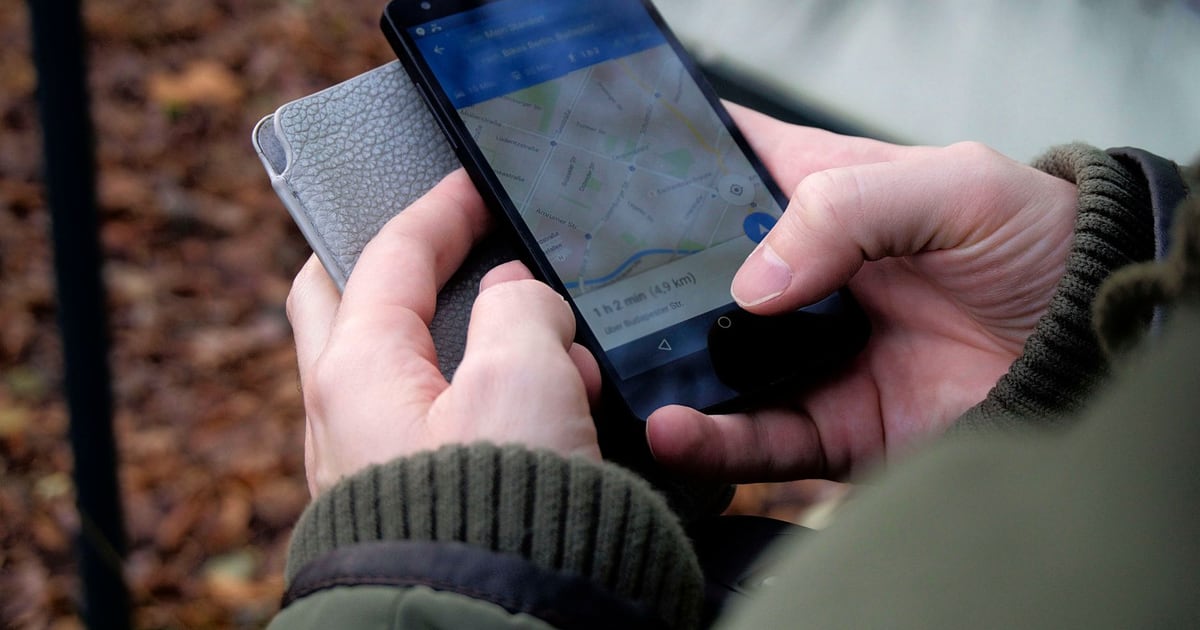
Goodwills around me and Goodwills close to my location only matter if the nearby branch is actually worth the stop. This guide shows you how to filter weak stores, read map results like a reseller, and pick the Goodwill that fits your route instead of wasting a trip on the closest blue sign.
That sounds obvious until you remember how Goodwill really operates. Goodwill’s official locator says the network runs through 150 local organizations. The nearest branch can be good for jackets and basic housewares, terrible for furniture, and useless for bins math. The next branch across town can flip every one of those answers.
Start with the right job. If you need the broader thrift-store framework, use the best thrift stores guide. If your real question is sale timing, use the Goodwill sales guide.
If your local shelf tags are too tight and the route needs cheaper inventory, compare it with the Goodwill outlet bins guide. For fast math before checkout, keep the flip profit calculator and the thrift store color tag calendar open.
Goodwills Around Me: Fast Answer
The best nearby Goodwill is usually the one that proves one clear job better than the others.
Sometimes that job is a fast chain baseline for clothes and shoes. Sometimes it is a home-goods branch with enough mirrors, lamps, and shelving to justify the stop. Sometimes it is not a regular store at all, but an outlet or clearance center that resets your buy cost when normal tags get too aggressive. The worst move is assuming proximity solves any of that for you.
Use this table as the fast filter before you drive.
| Nearby Goodwill situation | Best use | Why it deserves route time | Biggest risk |
|---|---|---|---|
| standard retail branch with clear hours and fresh photos | fast baseline for clothes, shoes, media, and bread-and-butter hard goods | the official locator confirms the branch is real and local Goodwill systems are easy to compare branch against branch | it can still be the wrong branch for your category even if the logo is familiar |
| review-backed branch with strong recent clothing or home-goods photos | category-led stop for apparel or compact furniture | BrightLocal’s 2026 survey shows 74% of consumers only care about reviews from the last three months, which makes fresh proof far more useful than old praise | star averages can flatter a weak store if the recent comments say prices rose or inventory went stale |
| outlet or clearance center near you | margin-reset stop when shelf tags are too tight | Goodwill’s own locator separates store types, so you can spot when the nearby answer is really bins math instead of a regular thrift pass | outlet conditions can be terrible for categories that need testing, completeness, or calm inspection |
| closest branch with thin reviews, weak photos, and no category clues | scouting only | a fast scout can still tell you whether the store deserves a real test later | treating it like a route anchor just because it is close usually wastes the day |
The short version is simple. Nearby is a starting clue, not a verdict.
Official Locator Workflow for Nearby Goodwill Runs
Use the official Goodwill locator first, then your map app second. Goodwill’s locator lets you search from a city/address or current location and filter by Retail Store, Donation Site, Outlet, Job & Career Support, Staffing Services, Specialty Retail, and Headquarters. That matters because a donation site can rank near you and still be useless for shopping, while an outlet can change the entire cost basis of the route.
Official source checks:
- Goodwill locator: https://www.goodwill.org/locator/
- Goodwill network structure: https://www.goodwill.org/
- BrightLocal review recency benchmark: https://www.brightlocal.com/research/local-consumer-review-survey/
Here is the cheap discovery pass I would run for any goodwills close to my location query before deciding whether this page deserves a heavier rewrite later.
| Step | What to do | Pass signal | Fail signal | Next internal page |
|---|---|---|---|---|
| 1 | Pull the closest three official Goodwill results | at least one confirmed Retail Store or Outlet | only donation/headquarters/career results | Goodwill website guide |
| 2 | Separate retail, outlet, specialty, and donation locations | branch role is obvious before navigation | store type is fuzzy or third-party-only | Goodwill outlet bins guide |
| 3 | Compare current reviews and photos | recent comments mention your category | old praise, no photos, or repeated high-price complaints | best thrift stores guide |
| 4 | Assign a route job | clothing, furniture, books, outlet margin, or fast scout | branch only wins because it is close | best thrift stores near me for clothes |
| 5 | Run one short test visit | at least one category shows repeatable margin | one lucky find or no lane at all | flip profit calculator |
This is intentionally a monitor-level optimization, not a heavy rebuild. The page already has a local-intent carve-out and useful Goodwill-specific structure. The next proof we need is query demand after stronger discovery links and clearer locator language.
Goodwill Retail: What the Standard Store Format Means
Goodwill retail usually means the regular public thrift-store floor: racks, shelves, departments, checkout, and tagged items. It is not the same trip as a donation-only site, an outlet, a headquarters, a career center, or an online auction listing.
That distinction matters because Goodwill is local underneath the national name. Goodwill Industries International says the network supports 150 local Goodwill organizations. A regional system can publish retail hours, outlet hours, donation rules, and online shopping lanes that do not match the next region over.
Goodwill Central & Southern Indiana, for example, lists retail stores at 9 a.m. to 9 p.m. Monday through Saturday and outlet hours at 9 a.m. to 7 p.m. Monday through Saturday. Same regional brand, different shopping format.
Use this quick split before you drive.
| Goodwill format | What shoppers usually mean | Best reseller use | Verify first |
|---|---|---|---|
| Goodwill retail store | standard thrift floor with priced racks and shelves | fast baseline checks for clothes, shoes, media, housewares, and small electronics | current hours, store photos, sale rules, and category depth |
| Goodwill outlet or bins | clearance-style floor, often lower cost and rougher sorting | margin reset when normal shelf tags get too tight | price model, rotation rules, gloves or cart rules, and opening hours |
| donation site | drop-off location with no guaranteed sales floor | donating inventory, receipt needs, or local territory proof | whether shoppers can buy anything there |
| ShopGoodwill or GoodwillBooks | online buying lane | niche lots, ugly listings, media, books, and items worth shipping | fees, shipping, handling, pickup rules, and total landed cost |
| specialty or select store | curated retail branch or category-led floor | cleaner apparel, boutique racks, books, or home categories | whether the cleaner floor still leaves margin |
Retail Goodwill is easier, not always better
The standard retail floor is the easiest place to start because you can inspect condition in person. You can check stains, missing parts, odors, model numbers, shoe wear, furniture wobble, and shelf density before money leaves your hand. That makes retail Goodwill a useful scout when you only have time for one normal branch.
The easier format can still be the weaker buy. If the retail branch routes better items online, overprices obvious labels, or leaves only tired filler on the floor, convenience does not save it. A regular Goodwill retail store should earn its route slot the same way any other thrift store does: clear category fit, current proof, enough inventory movement, and tags that still leave room after fees.
Compare retail against outlet and online before blaming the chain
When a Goodwill retail branch feels thin, the cause is not always bad luck. Some local systems run outlet stores, specialty stores, ShopGoodwill listings, or books-focused online channels that change what reaches the regular floor. Land of Lincoln Goodwill describes retail stores with clothing, shoes, housewares, jewelry, and electronics, then points shoppers separately to ShopGoodwill, GoodwillBooks, and outlet buying.
That does not mean retail is dead. It means the store has to be judged as one lane inside the local Goodwill system. If retail still gives you steady jackets, cookware, shoes, books, or compact electronics, keep it.
If outlet math is better, use the outlet. If online pulls the categories you wanted, shift your route instead of forcing the regular branch to be something it is not.
Goodwills Near My Location vs Close to My Location
Goodwills near my location and Goodwills close to my location are the same branch-selection job in practice. The wording changes, but the risk does not: the map will usually reward the closest recognizable Goodwill before it proves whether that branch fits your category, price ceiling, or route.
Use the near-me result as a shortlist, not as a command. Pull the closest regular branch, one stronger-looking alternate branch, and any outlet or clearance center close enough to change the cost basis. Then compare those three by store type, recent photo proof, review recency, and the category you are actually trying to source. If the nearest branch only wins on mileage, it has not won the trip yet.
| Near-me result | What it really answers | What you still need to prove |
|---|---|---|
| closest regular Goodwill | which branch is easiest to reach | whether the floor supports your category and price line |
| farther branch with better photos | which branch may have stronger current proof | whether the extra drive saves more time than it costs |
| Goodwill outlet or clearance result | where lower-cost inventory may be available | whether outlet conditions fit your inspection needs |
| donation center only | where to drop items off | whether there is a public retail floor at all |
Thrift Stores Goodwill Runs Are Local Store Systems
When someone asks for thrift stores Goodwill, they usually want a regular Goodwill store they can shop today. The catch is that Goodwill is not one giant national retail floor with one price sheet, one markdown calendar, and one donation stream. Goodwill’s help center says the network has more than 150 independent local organizations and more than 3,300 combined stores, donation centers, career centers, and headquarters across the United States and Canada.
That structure changes the trip. A branch in one district may push better items to glass cases or online sales. A branch in another district may leave more bread-and-butter finds on the floor.
One local system may have an outlet close enough to reset your cost basis. Another may have only regular retail stores and donation centers.
Use the official store type before you judge the logo.
| Goodwill result type | What it usually means | Best use | What to verify |
|---|---|---|---|
| Retail Store | the normal thrift floor most shoppers mean | clothes, shoes, media, housewares, and branch scouting | hours, category photos, recent reviews, sale rules |
| Donation Site | drop-off point, sometimes with no shopping floor | donating goods or confirming local Goodwill territory | whether shoppers can buy anything there |
| Outlet | lower-cost clearance or bins-style format | margin reset when shelf prices get tight | price model, rules, hours, and category fit |
| Specialty Retail | curated or category-specific store | better presentation, boutiques, books, or higher-end lanes | whether the cleaner floor still leaves resale margin |
| Headquarters or career center | administrative or service location | local contact, program help, donation questions | do not treat it like a thrift store unless retail is listed |
A standard retail branch is the baseline, not the automatic winner
Retail Goodwill is the easiest version to shop. You get racks, shelves, clearer departments, and less chaos than an outlet. That makes it useful for a fast scout, especially if you sell clothes, shoes, books, media, kitchenware, small electronics, or compact home goods.
The normal retail floor still has to earn the stop. If recent photos only show a front counter, a donation door, or one thin rack, the branch has not proved your category. If reviews keep mentioning high prices, empty shelves, or picked-over inventory, the branch may be a quick check at best.
A Goodwill sign gets you into the shortlist. It does not finish the decision.
Donation centers and outlets are different trips
The official locator separates Retail Store, Donation Site, and Outlet for a reason. A donation center can sit beside a familiar Goodwill name and still be useless for shopping. An outlet can share a brand with retail Goodwill and still behave like a completely different sourcing room.
Goodwill of Greater Grand Rapids is a useful example of the split. Its 2025 report says that local system has 17 retail stores, one outlet location, and one online store. That is exactly the kind of structure you should expect in other regions: several ordinary thrift stores, fewer outlet options, and an online lane that may pull some unusual goods away from the floor.
Online Goodwill can change what reaches the floor
Do not assume every donated item moves straight to the nearest thrift rack. Goodwill’s national site points shoppers to ShopGoodwill and GoodwillBooks, and the locator separates in-person store types from other parts of the network. Some local systems sell notable items online, some route more to specialty stores, and some keep a stronger mix in regular branches.
For a reseller, this is not a complaint. It is a routing clue. If the nearby retail branch still produces steady bread-and-butter items, use it.
If the floor feels thin but the outlet is close, test the outlet. If both are weak, compare Goodwill against Salvation Army, Savers, Habitat ReStore, local charity shops, estate sales, or the broader sourcing route instead of forcing one chain to carry the day.
Why Nearby Goodwill Searches Go Wrong
Finding a nearby pin is easy. Choosing the branch that fits your category, price ceiling, and available time is the real decision.
The closest logo is usually the loudest answer, not the best answer
Maps do a good job of showing what is near you. They do a much worse job of telling you what that branch is actually good at. That gap matters because Goodwill is not a single national store behavior repeated perfectly from city to city.
One nearby branch may be a clean clothing baseline. Another may be better for lamps, shelves, and small furniture. Another may be technically close, open late, and still weak enough that it only teaches you to leave faster next time. If you let distance decide first, you usually learn too late.
Goodwill is one brand and 150 local systems
Goodwill’s official locator says the network includes 150 local organizations. That one number is more useful than most thrift myths because it explains why local branch quality swings so hard.
Different districts sort differently. Different districts price differently. Different districts push more items to glass cases, outlet lanes, or online channels.
That is why a good branch is not something you inherit from the brand. It is something the branch proves.
Local results reward convenience before category fit
That convenience bias is exactly why the search feels helpful and still leads people wrong. You open the map, see a cluster of nearby Goodwills, and assume the question is already half solved.
It is not. A clothing reseller, a furniture seller, and a mixed-category buyer do not need the same branch. The route only starts making sense once you decide what the nearby store is supposed to do.
What To Check Before You Tap Navigate to Goodwill
The biggest mistake when you want to navigate to Goodwill is letting the first directions app make the branch-quality decision for you. Google Maps, Apple Maps, Waze, and the official Goodwill locator can all get you moving quickly. Spend two minutes confirming the store type and category fit before you commit the drive.
That is why the filter has to be fast and practical.
| Tool | What it does best | What it misses | Best use before you drive |
|---|---|---|---|
| official Goodwill locator | confirms whether the branch is a real thrift store, donation center, or outlet and lets you search from your current location | weak on live drive-time tradeoffs | verify store type before any directions app gets a vote |
| Google Maps or Apple Maps | show live directions, open-now status, photos, and review summaries fast | nearest-by-default behavior can hide a stronger second-choice branch | compare two or three real candidate branches once the store type is confirmed |
| Waze or MapQuest | fastest drive-time answer and traffic-aware routing | they do not tell you much about branch quality or store role | use only after the branch has already earned the trip |
The right stack is simple. Confirm the store with the official locator. Judge the branch with photos and reviews. Then let the directions app pick the fastest path to the branch you already chose.
This is the part most shoppers skip and most resellers cannot afford to skip.
Start with the official Goodwill locator
Use the official locator first because it tells you two things third-party directories blur together: whether the location is real and what kind of store it actually is.
That matters because nearby searches often mix regular thrift stores, donation centers, and outlet-style locations. If the official page does not confirm the branch or the store type, the branch has not earned any route trust yet. The locator also lets you use your current location, which is the cleanest starting point when you need same-day route decisions instead of broad national thrift research.
Treat 20 reviews as the first gate, not the crown
BrightLocal’s 2026 Local Consumer Review Survey says 47% of consumers will not use a business with fewer than 20 reviews. For Goodwill route work, that number is useful because it helps you separate stores with enough public signal to judge from stores that are still mostly a guess.
That does not mean low-review branches are always bad. It means they stay in scout mode until better proof shows up. I will test a thin-profile branch if it fits the route, but I do not let it own the route on star ratings alone.
Recency matters more than nostalgia
BrightLocal also found that 74% of consumers only care about reviews from the last three months, and 44% care specifically about reviews posted within the last month. That is almost tailor-made for Goodwill searches because thrift floors change fast.
Old praise is comforting and often useless. I want fresh comments about pricing, restock rhythm, stale shelves, locked cases, crowded aisles, weak furniture, strong clothing, or whether the store still feels alive. If the only positive comments are from last year, I treat the branch like an unknown.
Read the complaints by category, not by emotion
This is where casual shopping logic and reseller logic split apart.
If reviews complain that the store is messy, crowded, and full of stuff, that can still be workable for a reseller. If the complaints say the store is overpriced, picked over, and all the best items are already isolated from the main floor, that is a much bigger problem. The complaint matters less than what the complaint is really describing.
Use store photos as category proof
Branch photos are not decoration. They are evidence.
I want to see whether the branch actually shows clothing depth, home-goods space, furniture presence, electronics shelves, or just a generic front counter. For nearby Goodwills, photos help you answer a blunt question fast: does this branch visibly support the category I need today, or am I about to show up and hope the back corner saves me?
Separate outlet math from shelf-thrift math
If the nearby result is an outlet or clearance center, treat it like a different sourcing system from the start. That is the whole lesson from the Goodwill outlet bins guide.
Outlets solve low buy cost. They do not solve convenience, neat shelves, or careful category inspection. If your category needs testing, completeness, or slow condition judgment, the closest outlet may still be the wrong nearby Goodwill even if it looks best on the map.
When Navigate to Goodwill Should Mean the Second-Closest Branch
Most map apps are built to answer a distance question. Resellers are usually asking a route-quality question. Those are not the same thing.
If the closest Goodwill is eight minutes away but has weak recent reviews, thin photos, and no obvious category lane, it is often a slower decision than driving fifteen minutes to the branch that clearly does the job. The extra drive looks inefficient on the map and becomes efficient the second you avoid forty dead minutes inside the wrong store.
| Your real job today | Best navigation target | Why the nearest branch can lose |
|---|---|---|
| fast same-day scout | nearest regular branch with clear hours | you only need a baseline, not the perfect store |
| clothing and shoes | the branch with stronger recent apparel photos and useful review language, even if it is farther | the wrong Goodwill can waste more time than the extra drive |
| furniture or home goods | the branch that visibly proves a home lane, or a different thrift stop entirely | many nearby Goodwills do not deserve a furniture-first trip |
| lower cost basis | the outlet or clearance center | retail Goodwill may fail on price even if it wins on convenience |
The second-closest branch often saves more time than the closest one
This is the part casual shoppers resist and regular resellers learn fast. Distance only helps when the closer store is already good enough for the category. If the closer branch is vague, stale, or obviously weak, every minute you save in the car gets burned inside the store.
I would much rather drive ten extra minutes to a branch with current review activity, clear clothing depth, and photos that actually prove the floor is alive. That is still a navigation decision. It is just a smarter one than letting the shortest route choose the store for you.
Use the nearest branch only when the branch role is already clear
The nearest store is still the right answer sometimes. It is the right answer when you need a quick baseline, when the branch clearly matches the category, or when you only have a short window and the goal is a fast scout rather than a full route.
That is why I separate navigate to goodwill into two modes. Mode one is show me the fastest real branch check. Mode two is show me the best nearby branch for the job. If you do not decide which mode you are in, the app defaults to convenience and your sourcing standards quietly collapse.
Outlet directions are a different trip, not a better version of the same trip
This matters because a lot of nearby Goodwill searches quietly turn into outlet curiosity. You see an outlet on the map and assume it is the stronger answer because it sounds cheaper.
Sometimes it is. Sometimes it is the wrong trip entirely.
If you need clean condition checks, obvious completeness, or calm testing, then navigate to goodwill should not suddenly become drive to the outlet because it feels exciting. The outlet wins when lower cost basis is the actual problem. If the problem is category fit, inspection quality, or route speed, the regular store or a different thrift format can still be the smarter destination.
<!-- alt: reseller comparing three nearby Goodwill map pins, recent branch photos, and official store pages before choosing a route -->
Which Nearby Goodwill Branches Fit Different Route Jobs
The fastest way to use this search well is to map nearby Goodwills by job.
The fast chain baseline
This is the branch I use when I want a hard answer quickly. It is not the most romantic stop. It is the most useful stop when I need to know whether the area is worth opening wider.
The baseline branch should have clear hours, enough recent reviews to judge, and obvious bread-and-butter categories like jackets, denim, shoes, books, small hard goods, and practical housewares. If the baseline branch looks flat, I need a very good reason to believe the rest of the local Goodwill cluster is secretly better.
The clothing and shoes branch
Some nearby Goodwills are clearly better for apparel than anything else. They show longer racks, stronger recent clothing photos, better shoe shelves, and review language that sounds like turnover rather than stagnation.
If clothing is the job, I still compare that branch against the best thrift stores near me for clothes guide because Goodwill is not automatically the strongest nearby clothing stop. Goodwill wins when the donor zone is strong and the district has not tightened pricing too hard. If the nearby Savers-style option is cleaner and still leaves enough room, the closest Goodwill may not deserve the day.
The home-goods and compact-furniture branch
This is where the Goodwill furniture guide matters. A nearby Goodwill can be excellent for lamps, mirrors, shelving, compact storage, and practical office pieces without being a true bulky-furniture store.
That distinction saves a lot of wasted trips. If the photos and reviews show real home-goods density, the branch may deserve route time. If the home section is an afterthought and the better local answer is a pickup-fed specialist like Habitat ReStore, use the best thrift furniture stores near me guide and stop forcing Goodwill to answer a furniture job it does not actually own.
The outlet or clearance answer
Sometimes the best nearby Goodwill is not the one with the cleanest floor. It is the one that fixes the buy-cost problem.
That is when the outlet wins. If normal tags have climbed to the point that even decent finds feel thin after fees, the nearby outlet deserves a direct comparison against the shelf-thrift branch. The key is honesty. Use the outlet when lower cost basis is the real need, not when you are just trying to make a weak route feel more exciting.
What Makes One Branch the Best Goodwill in Your Area
Best goodwill sounds like it should have one permanent answer. It usually does not.
What most people really mean is one of four things. They mean the best Goodwill for clothes, the best Goodwill for home goods, the best Goodwill for route speed, or the best Goodwill for lower buy cost. If you do not decide which version of best you mean before you open the map, the loudest branch usually wins by default.
That is a bad way to choose a route. The best Goodwill is not the branch with the most familiar sign or the most nostalgic reputation. It is the branch that keeps solving the same job with enough consistency that you would still trust it next week.
Use this frame before you let a map app, Reddit thread, or one lucky past haul decide the answer for you.
| If your real job is… | The best Goodwill proof looks like… | What disqualifies a branch fast | Better backup if Goodwill loses |
|---|---|---|---|
| clothes and shoes | recent review language about racks, turnover, fitting rooms, shoes, and visible apparel depth in photos | stale comments, thin photo evidence, or a floor that looks neat but small | the best thrift stores near me for clothes guide |
| home goods and compact furniture | visible lamps, shelving, mirrors, kitchenware, and repeated review mentions of useful home inventory | generic front-counter photos and no clear home lane | the broader thrift furniture route |
| fast same-day baseline | clear hours in the official locator, enough current reviews to judge, and easy branch comparison against other nearby stops | unclear store type, weak public proof, or too much guesswork for a short outing | the broader thrift-store guide |
| lowest cost basis | confirmed outlet or clearance format with categories that survive rougher sourcing conditions | treating a regular retail branch like bins, or treating the outlet like a cleaner store version | the Goodwill outlet bins guide |
The best Goodwill depends on the job, not the logo
This is where a lot of best goodwill advice falls apart. People talk about the best branch like every reseller is trying to solve the same problem.
They are not.
If I am hunting apparel, I care about rack density, shoe depth, fitting-room friction, and whether the branch still gets enough brand mix to make the stop efficient. If I am hunting home goods, I care more about lamps, shelving, frames, office pieces, mirrors, and whether the branch actually shows a living home section instead of one lonely aisle of chipped decor. If I am trying to reset cost basis, I care less about shelf polish and more about whether the nearby answer is really an outlet trip.
That is why one person’s best Goodwill can be another person’s time sink. The branch that carries a clothing route may be useless for furniture. The branch that is fine for a fast scout may be weak for a half-day sourcing run. The outlet that saves one seller’s margin can wreck another seller’s categories if condition testing is the whole game.
The cleaner question is not which Goodwill is best. The cleaner question is which Goodwill is best for the job I need today. Once you ask it that way, weaker branches drop out much faster.
Reviews narrow the field, but donor geography breaks the tie
BrightLocal’s 2026 survey says 97% of consumers read reviews for local businesses, 47% will not use a business with fewer than 20 reviews, and 74% only care about reviews from the last three months. Those numbers are useful for Goodwill routing because they tell you how much public proof you should expect before trusting a branch.
But reviews are only the first cut. They help you eliminate thin, stale, or obviously weak branches. They do not fully explain why one Goodwill keeps punching above another branch in the same metro.
That is where donor geography matters. A branch pulling from stronger homeowner areas, cleaner closet turnover, or better suburban household churn will usually feel different on the floor even when the chain branding is identical. If the store keeps producing cleaner jackets, better shoes, stronger kitchenware, or more usable office pieces, that is often a donor-zone story before it is a store-manager story.
This is also why I would rather compare Goodwill branches by surrounding neighborhoods than by blind loyalty to one district. If the local donor mix is soft, the branch has to work much harder to become the best Goodwill in your area. If the donor mix is strong, the branch still has to prove pricing, restock rhythm, and category fit.
The brand name does not rescue weak geography, and wealthy geography does not rescue bad branch behavior. You need both.
If you want the broader version of that logic, the donor-geography guide is the right companion page. It explains why a mediocre-looking branch in the right donor lane can beat a prettier branch in the wrong one.
The best branch should earn repeat route time, not one lucky haul
One lucky cart does not make a branch the best Goodwill. It makes it a branch where you got paid once.
The best Goodwill in your area should keep earning route time in a repeatable way. That does not mean you score every visit. It means the branch keeps giving you enough evidence that a return trip is rational.
The evidence can be current review activity, better apparel depth, better home-goods proof, more honest outlet math, cleaner hours discipline, or a more useful position inside a wider route. What matters is that the signal survives more than one memory.
This is why I like to compare branches with a harsher standard than casual shoppers use. I want to know whether the branch still looks alive when the novelty wears off. I want to know whether the same lane keeps showing up. I want to know whether I am buying because the store is actually strong or because I am mentally replaying one lucky vintage jacket from six months ago.
The best Goodwill is usually the branch that gives you the least emotional confusion. It keeps proving its lane. It keeps making the route easier to call. And when it loses on a given day, it loses honestly enough that you can pivot to the broader thrift route, the Goodwill sales guide, or another sourcing channel without arguing with yourself in the parking lot.
How To Find Better Goodwills Close to My Location in 6 Steps
This is the system I use when I need the answer fast.
1. Open the official locator and pull the closest three useful branches
Not ten. Three.
Too many nearby pins just make the route noisier. I want the closest realistic options, plus any outlet or clearance branch close enough to change the math. That is enough to make a real decision.
2. Kill anything without clear hours or store-type proof
If the official listing is vague, stale, or unclear about what the branch is, I stop pretending the branch deserves the trip. Goodwill is too broad a system to reward blind trust.
3. Check review count, recency, and star floor together
BrightLocal says 68% of consumers will only use a business with four or more stars, and 31% require 4.5 stars or better. For thrift routing, that is useful context, but I use it with the other two filters.
I want enough reviews to believe the profile, enough recency to believe the current state, and a rating that is not warning me about obvious operational problems. A 4.2-star branch with fresh, useful comments can beat a 4.6-star branch living off old goodwill.
4. Read the newest negative reviews first
Negative reviews tell the truth faster.
I am looking for repeated complaints about locked-up best inventory, aggressive pricing, dirty dressing rooms, stale shelves, rude staff, poor parking flow, or category weakness. One grumpy shopper means very little. A pattern means everything.
5. Match the branch to the category before you match it to the clock
Open hours help only after the branch proves the right job. If the route is clothing, the later-opening home-goods branch is not suddenly correct because it fits lunch better. If the route is furniture, the clean apparel branch is not the answer because it is five minutes closer.
This is where the nearby search gets disciplined. The branch has to earn relevance before it earns convenience.
6. Keep one contrast stop in reserve
The best route test is one Goodwill branch plus one meaningful contrast.
That contrast can be another Goodwill with a different category signal. It can be an outlet. It can be a non-Goodwill thrift route from the full sourcing guide. The point is to protect yourself from the easiest bad conclusion in thrifting: “the whole market is dead” when only one branch was dead.
A 10-Minute Nearby Goodwill Scorecard
If you want a cleaner yes-or-no screen, score the branch before you go.
| Check | 0 points | 1 point | 2 points |
|---|---|---|---|
| official listing clarity | unclear branch type or stale hours | real branch, but store role still fuzzy | official branch with clear type and current hours |
| review count | under 20 reviews | 20-49 reviews | 50+ reviews |
| review recency | little useful feedback in last 3 months | some current feedback, but thin | multiple recent reviews within the last 3 months |
| star floor | under 4.0 | 4.0-4.4 | 4.5+ |
| photo proof | almost no category evidence | mixed evidence | clear proof of the category you need |
| route role | duplicate of another nearby stop | useful, but not unique | solves a different job than the other nearby options |
Here is how I use it.
- 10-12 points: strong test branch
- 7-9 points: scout branch with one useful lane
- 4-6 points: only worth it if geography makes the stop easy
- 0-3 points: skip unless you need a fast same-day sanity check
This is not magic. It is just a way to stop the closest Goodwill from winning by default.
When Thrift Stores Goodwill Runs Lose to Another Stop
This matters because the right answer to goodwills close to my location is sometimes do not pick Goodwill first today.
If the day is about clothing and the nearby Goodwill keeps showing weak racks or thin reviews, a cleaner apparel-led route can be stronger. If the day is about furniture, a pickup-fed specialist often beats a generic Goodwill branch. If the day is about low cost basis, the outlet may beat every retail Goodwill near you.
That is not failure. That is route discipline.
The point of the nearby Goodwill search is not proving loyalty to one chain. The point is getting to the best next stop faster. If the broader thrift answer is stronger, use the best thrift stores guide.
If you only need the Goodwill sale logic, use the Goodwill sales guide. If your local Goodwill cluster keeps looking tight, use the eBay sold link generator and the flip profit calculator on the borderline finds before you rationalize them into your cart.
FAQ: Goodwills Around Me and Close to My Location
How do I compare the Goodwills around me without driving to every store?
Start with the official Goodwill locator, set a practical radius, and filter for Retail Store so donation sites and career centers do not muddy the route. Open the closest three real stores in your map app. Compare current hours, photos from the last few months, and recent comments that mention the category you need.
Clothing sellers should look for rack depth, shoe turnover, and fitting-room notes. Home-goods sellers should look for lamps, shelving, mirrors, and carts that show real floor volume. Give the best two branches a short test on the same day, record what each one does well, and stop treating every blue pin as the same store.
What is the best goodwill near me for resellers?
The best goodwill near you is the branch that keeps proving one useful job better than the others nearby. For one reseller that may be clothing depth, cleaner shoes, and fresher rack turnover. For another it may be lamps, shelving, office pieces, and compact home goods.
For another it may be the outlet because shelf pricing in the regular stores is too tight. The right way to answer the question is not with one universal winner. It is by matching the branch to the category, checking the official store type, and using fresh reviews and photos to confirm the lane before you drive.
What does thrift stores Goodwill mean when I am trying to shop?
It usually means you want a regular Goodwill thrift store, not a donation-only site, career center, or online auction lane. Start by opening the official Goodwill locator and checking the store type. If the result says Retail Store, judge it by recent photos, reviews, hours, and category fit.
If it says Outlet, treat it as bins or clearance-style sourcing and read the local rules before driving. If it says Donation Site or Headquarters, do not assume there is a public shopping floor. That one store-type check saves a lot of wrong turns.
What does Goodwill retail mean?
Goodwill retail usually means a regular Goodwill store where shoppers can browse tagged merchandise on racks and shelves. It is different from a donation site, outlet, headquarters, career center, ShopGoodwill auction, or GoodwillBooks listing. For resellers, the retail format is useful because you can inspect condition in person before buying.
The catch is that retail stores still vary by local Goodwill system, branch quality, category mix, and online routing. Treat Goodwill retail as the baseline shopping lane, then compare it against nearby outlets, specialty stores, and other thrift chains before you give it permanent route time.
Are thrift stores Goodwill runs the same in every city?
No. Goodwill runs through local organizations, so the store mix, pricing, sale rules, outlet access, and online routing can change by region. One metro may have several retail branches and no nearby outlet. Another may have a retail store, a donation center, an outlet, and a specialty shop inside the same broader local system.
That is why the logo alone is not enough. Compare the exact branch, not the national brand. A strong Goodwill route is built from local proof: current photos, useful reviews, clear hours, store type, and the categories you actually sell.
Are goodwills close to my location always worth checking first?
No. The closest Goodwill is only the best first stop when it solves the right category job and has enough current proof to justify the trip. Goodwill’s official locator says the network runs through 150 local organizations, which is the cleanest explanation for why nearby branch quality swings so much. One branch can be a strong baseline for shoes and jackets.
Another can be useful only for lamps and storage. Another can look convenient and still be weak enough that it should stay in scout mode. Start with proximity, but do not let proximity finish the decision for you.
Is goodwills near my location different from goodwills close to my location?
No. Goodwills near my location and Goodwills close to my location both call for the same practical check: find nearby branches, then decide which one deserves the drive. Confirm the store type, compare the closest two or three options, check current photos and reviews, and pick the branch that fits your category instead of letting the nearest pin win by default.
Confirm the location type, compare the closest two or three options, check current photos and reviews, and pick the branch that fits your category instead of letting the nearest pin win by default.
How many reviews should a nearby Goodwill have before I trust it?
I use 20 reviews as the practical minimum before I trust a branch profile at all. BrightLocal’s 2026 survey says 47% of consumers will not use a business with fewer than 20 reviews, which makes thin profiles a real warning sign for route planning. After that, recency matters more than bragging rights.
The same survey says 74% of consumers only care about reviews from the last three months, and 44% care about reviews from the last month. I would rather test a 4.2-star branch with fresh comments and useful photos than a 4.7-star branch living on old praise.
Should I choose the closest Goodwill or the one with better reviews?
Choose the branch with better proof if the extra drive is still reasonable. Reviews are not the whole answer, but they tell you whether the branch has current life, category evidence, and repeated friction signals. BrightLocal says 68% of consumers will only use a business with four or more stars and 31% require 4.5 stars or better.
I use those numbers as context, not law. A slightly farther branch with fresher reviews, clearer clothing photos, and real route purpose usually beats the closest branch that only wins on mileage. Thrift time is inventory time.
Wasting thirty minutes inside the wrong store is usually worse than driving ten more minutes to the right one.
How do I tell whether a nearby Goodwill is better for clothes or furniture?
Use photos, recent reviews, and comparison stops. For clothes, I want clear rack depth, shoe sections, dressing-room talk, and comments about restocks or pricing behavior. For furniture and home goods, I want visible lamps, shelving, mirrors, chairs, office pieces, or repeated mentions of home inventory.
If the branch does not clearly prove a furniture role, I check it against the Goodwill furniture guide and then compare it with the best thrift furniture stores near me guide. Goodwill does not need to be the best at everything. It only needs to clearly win one lane.
Do Goodwill sales or color tags change which nearby branch is best?
Yes, but only after the branch earns route time on inventory quality. The sale system matters because the Goodwill sales guide shows how much districts vary. One local Goodwill system may run useful color-tag discounts or member offers.
Another may barely change the math on the categories you sell. A weak store with a discount is still weak if the floor keeps disappointing you. I use sale timing as a tiebreaker between already-useful branches, not as a rescue plan for a branch that keeps failing the inventory test.
Should I just tell my phone to navigate to Goodwill and go?
Only after you decide which Goodwill has earned the trip. Voice search is useful for speed, but it usually defaults to the nearest recognizable branch. That is fine for a fast scout when you only need a baseline.
It is not fine when the day depends on clothing depth, furniture evidence, outlet access, or a better review profile. I use the official locator first to confirm store type, then compare the closest two or three branches in the map app, and only then do I tap directions. The voice command should finish the decision, not make it for you.
When should I use the nearby Goodwill outlet instead of the regular store?
Use the outlet when lower buy cost is the real problem and your categories can survive outlet conditions. That usually means you already know how to reject bad items fast and do not need calm shelves or careful testing to make good decisions. The regular nearby Goodwill is better when you need quick in-person condition checks, cleaner category organization, or a standard chain baseline.
The outlet is better when the retail branches are too tight on price and you need a different cost structure entirely. The mistake is treating the outlet like a cleaner version of the same trip. It is a different trip with a different job.
Bottom Line
Finding nearby Goodwills is easy. Choosing the branch that deserves the trip takes a little more work.
The official Goodwill locator gives you the raw map. Reviews, photos, store type, and route role tell you which branch actually deserves time. Start with the closest realistic options, filter them with current proof, and decide what job the branch is supposed to solve before you even leave the house.
Use retail Goodwill for fast baseline checks and category-led branch comparisons. Use the outlet when lower cost basis is the real need. Use broader thrift or furniture guides when the closest Goodwill is not the strongest answer that day.
That is the whole edge. If you tell your phone to navigate to Goodwill, choose the right Goodwill first.
Nearby is common. Better nearby is where the money is.