DJI Drone Flipping Guide: Test, Price, Ship & Avoid Locks
By the Numbers
Store ratings checked Sep 27, 2026. How we count
Consumer drones sit in a sweet spot for resellers. They’re expensive enough to yield real profit per flip, compact enough to ship affordably, and the market cycles fast enough that owners regularly sell last-generation gear to fund upgrades. Whether you already flip electronics or you’re starting fresh, drones can be one of the highest-margin niches in tech resale when you know how to test them before money changes hands.
This guide covers which models to target, how to test used units, battery economics, FAA compliance, lithium battery shipping, account-binding checks, sourcing strategies, and platform advice. The goal is simple: avoid the expensive hidden problems that make a drone look profitable until the buyer tries to fly it.
Quick Stats: Drone Flipping at a Glance
| Metric | Range |
|---|---|
| Typical Margins | 20–50% |
| Startup Capital | $500–$3,000 |
| Average Sell Time | 5–21 days |
| Difficulty Level | Intermediate–Advanced |
| Best Selling Platforms | eBay, Facebook Marketplace, drone forums |
| Peak Selling Seasons | Holiday season, spring/summer |
Margins vary widely depending on condition, kit completeness, and sourcing. A DJI Mini bought at a garage sale for $120 and sold for $280 plays differently than flipping a Mavic 3 Pro Combo from a corporate liquidation at $1,200 for $1,850. Both are profitable, the key is knowing which deals to take.
2026 Drone Deal Screen: Buy, Pass, or Negotiate
Run this screen before you make an offer. A drone can look clean in photos and still fail the parts of the deal that protect your margin.
| Check | What to verify | How it changes your offer |
|---|---|---|
| FAA weight and use case | The FAA says recreational flyers must register drones that weigh 250g or more, while drones under 250g flown only recreationally are generally exempt from registration. | Sub-250g DJI Mini kits deserve a buyer-pool premium. Heavier drones need clear registration and Remote ID language in the listing. |
| Remote ID | The FAA Remote ID page says drones that are registered or required to be registered need Remote ID unless operated in a FRIA or another allowed exception. | If the model needs a broadcast module or firmware update, subtract that cost and disclose it clearly. |
| DJI account binding | DJI tells owners to remove a device from their account in the DJI Fly app under Profile > Device Management before a new owner can bind it. | If the seller cannot demonstrate the unbind flow, treat the deal as high risk or parts-only. |
| Battery health | Check cycle count, swelling, charge behavior, and estimated flight time in the app. | Subtract replacement battery cost for any weak pack. Healthy multi-battery kits sell faster than bare drones. |
| Gimbal, sensors, and camera | Test gimbal initialization, obstacle sensors, GPS lock, photos, and video before purchase. | Any gimbal chatter, horizon tilt, soft image, or sensor warning should trigger a steep discount or a pass. |
| Lithium shipping path | USPS Publication 52 treats lithium batteries differently depending on whether they are installed, packed with equipment, spare, used, damaged, or shipped internationally. | Local pickup is often best for multi-battery kits. If shipping, plan the exact carrier path before you buy. |
| Kit completeness | Controller, charger, props, hub, ND filters, case, original box, and manuals all affect buyer trust. | Missing basics reduce value more than their replacement cost because buyers see the kit as less ready to fly. |
Why DJI Dominates, And Why That Matters for Resellers
DJI is still the default brand many buyers search first when they want a used consumer drone. For resellers, that matters more than any single market-share number: buyer familiarity lowers the education burden, makes comps easier to read, and creates predictable demand for complete kits. When a buyer searches for a used travel drone, real estate drone, or creator drone, DJI model names do a lot of the listing work for you.
Tier 1: The Money Makers, DJI Models Worth Flipping
DJI Mini 4 Pro
- Resale range: $500–$700
- Buy target: $280–$420
- Typical margin: 30–45%
- Why it sells: Sub-249g weight means no FAA registration for recreational pilots. Massive buyer pool, hobbyists, real estate agents, travel creators. DJI’s best seller by volume. Fly More Combos with the DJI RC 2 controller command the top of that resale range.
DJI Air 3
- Resale range: $800–$1,100
- Buy target: $500–$700
- Typical margin: 25–40%
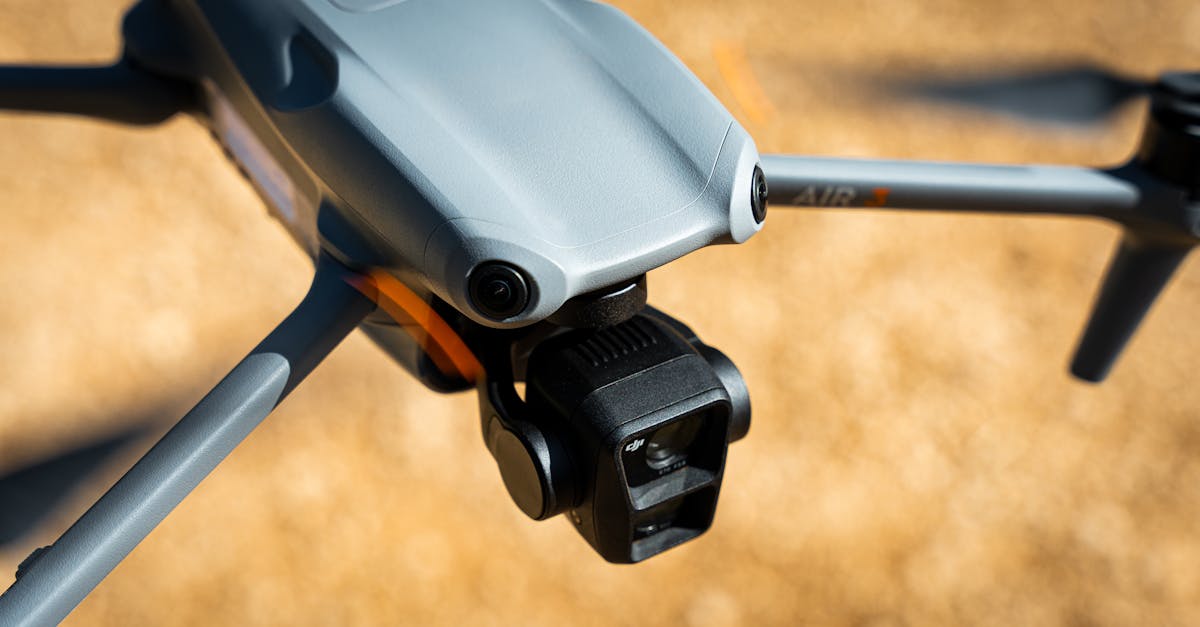
- Why it sells: Dual-camera system, 46-minute flight time, strong obstacle avoidance. It’s the workhorse for semi-serious creators who don’t want to spend Mavic 3 money. Great demand from YouTube and social media content creators.
DJI Mavic 3 Pro
- Resale range: $1,500–$2,000
- Buy target: $900–$1,300
- Typical margin: 25–35%
- Why it sells: Triple-camera system with Hasselblad branding, DJI’s flagship prosumer drone. Buyers at this tier know exactly what they want, so sales close fast. Higher dollar amounts compensate for thinner percentage margins. A single flip can net $400–$600.
DJI Avata 2
- Resale range: $450–$650
- Buy target: $250–$400
- Typical margin: 30–40%
- Why it sells: FPV flying with DJI Goggles 3 attracts thrill-seekers and cinematic FPV creators. Goggles condition heavily impacts resale value. Full kits with goggles and motion controller sell significantly faster than the drone alone.
DJI FPV
- Resale range: $400–$550
- Buy target: $200–$350
- Typical margin: 25–40%
- Why it sells: The original DJI FPV still has a strong following. It’s been superseded by the Avata line for casual FPV, but speed-focused pilots still seek it out. Crash damage is more common on FPV drones, so inspect carefully. Clean units with low flight hours command premium prices.
Tier 2: Other Brands Worth Knowing
DJI isn’t the only game in town. Two competitors carve out profitable niches:
Autel Robotics, EVO Series
Autel’s EVO Nano+ and EVO Lite+ are the most viable DJI alternatives in the consumer space. The EVO Max series targets commercial operators with advanced obstacle avoidance and thermal imaging. Resale demand is lower than DJI, but so is competition among resellers. If you can pick up Autel drones cheaply, especially from sellers frustrated by smaller accessory ecosystems, margins of 25–35% are realistic. The EVO Nano+ typically resells for $350–$500.
Skydio
Known for industry-leading AI obstacle avoidance and autonomous flight, Skydio has shifted toward enterprise and government contracts. Their consumer models (Skydio 2+) are interesting resale targets, production has slowed but commercial demand hasn’t. Used Skydio 2+ units sell for $500–$800. Niche, but profitable if you find them.
How to Test Used Drones Before Buying
This is where drone flipping separates from flipping phones or laptops. A drone that looks perfect on the shelf might have critical issues that only show up in flight. Here’s your pre-purchase checklist:
Flight Time Per Charge
Power on the drone and check the estimated flight time. Compare it to the manufacturer’s spec. A DJI Mini 4 Pro should get roughly 34 minutes. If it’s showing 20 minutes on a full charge, the battery is degraded. This is your strongest negotiation lever, replacement batteries cost $50–$150 each.
Gimbal Calibration
Watch the gimbal initialization on a flat surface, the camera should stabilize smoothly without jitters or tilting. Tilt the drone gently by hand and confirm the camera compensates. Any stuttering, clicking, or inability to hold level means gimbal damage. Repairs run $80–$200 through third-party shops, which can eat your entire margin.
Camera Sensor Quality
Take test photos and short video clips. Zoom in to 100% on the images. Look for dead pixels, lens scratches, haze, or soft corners. Sensor issues from crash impacts aren’t always visible on the lens exterior.
Battery Health and Cycle Count
This is critical. In the DJI Fly app, navigate to the battery settings for each battery. You’ll find the charge cycle count and overall health percentage. Here’s the general guide:
- 0–50 cycles: Excellent, batteries are essentially new
- 50–150 cycles: Good, still plenty of life, minor capacity loss
- 150–300 cycles: Fair, noticeable flight time reduction, price accordingly
- 300+ cycles: Poor, battery is near end of life, factor in replacement cost
Firmware Version
Check that firmware is current or recent. Very old firmware may indicate a failed update (potential headache) or simply long disuse. Outdated firmware can also mean the drone lacks Remote ID compliance, more on that below.
Propeller Condition
Inspect every propeller for nicks, cracks, bends, or chips. Props are cheap to replace ($8–$20 per set), but damaged props tell you the drone has hit something. Use prop condition as a clue to investigate deeper for frame or motor damage.
GPS Lock Quality
Power on the drone outdoors and check how quickly it acquires a GPS lock and how many satellites it finds. A healthy GPS module should lock onto 12+ satellites within a minute or two. Weak GPS performance can indicate antenna damage from a crash.
Battery Economics: The Hidden Profit Killer
Batteries are the single biggest variable in drone flip profitability. Understand this section well.
Replacement costs are steep. DJI Intelligent Flight Batteries range from about $55 for a Mini series battery to $100+ for Mavic 3 batteries and $150+ for some enterprise models. A drone that needs two new batteries could cost you $100–$300 before you even list it.
Cycle count matters enormously. Every charge-discharge cycle degrades lithium-polymer cells slightly. Batteries with 200+ cycles will noticeably underperform versus fresh ones. Buyers who’ve done their homework will ask about cycle counts, and savvy buyers will open the app to check before handing over cash.
Swelling equals a dead battery. If a battery is even slightly puffy or swollen, it’s done. Do not fly it, do not sell it. A swollen LiPo battery is a fire hazard. Dispose of it properly at a battery recycling drop-off. Factor the replacement cost into your offer price.
Battery count affects resale value more than you’d expect. A drone with three healthy batteries outsells an identical unit with one tired battery by $100–$200, well above the raw battery cost difference. Buyers perceive multi-battery kits as “ready to fly all day.”
Pro Tip: Battery Arbitrage
Buy spare DJI batteries when you find them cheap, estate sales, lot purchases, “accessories only” Marketplace listings. A DJI Air 3 with one battery might sell for $830; the same drone with three batteries and a charging hub could sell for $1,050. That $220 premium often costs you only $120–$140 in battery investment.
FAA Rules Every Drone Reseller Must Know
You don’t need a pilot’s license to flip drones, but you need to understand FAA regulations to stay legal when test-flying inventory and to educate your buyers (which builds trust and reduces returns).
Registration Requirement
The FAA’s current recreational flyer guidance says drones that weigh 250g or more must be registered before flying in US airspace, while drones under 250g flown only for recreation generally do not need registration. That is why Mini-series models remain especially attractive to first-time buyers. The moment a buyer uses a drone for Part 107 work, adds accessories that push weight above 250g, or flies a heavier model, the compliance story changes.
Reseller tip: Include the drone’s takeoff weight and a plain-language FAA registration note in every 250g+ listing. For Mini listings, say “under 250g in stock configuration” instead of overselling it as regulation-free.
Remote ID Compliance
The FAA says drones that are registered or required to be registered must comply with Remote ID unless they are flown in an allowed exception such as a FAA-Recognized Identification Area. Current DJI models often support Remote ID through firmware, but older units can need updates or an external broadcast module.
What this means for resellers: Confirm Remote ID status before listing any drone that needs registration. If the model needs a module, say so, price it in, and photograph the firmware screen when possible. Do not let a buyer discover the problem after delivery.
Educating Your Buyers
Include a brief “Getting Started” note with every sale covering registration, Remote ID, and local airspace rules. Point buyers to the FAA’s recreational flyer and Remote ID pages. This small effort reduces confusion, builds reputation, and cuts returns.
Fly More Combo vs. Standalone: What Sells Better
DJI offers most drones as standalone (controller + one battery) or “Fly More Combo” (extra batteries, multi-charger, carrying bag, sometimes ND filters).
Fly More Combos sell faster and for more. The Combo premium buyers pay typically exceeds the cost of the extra items, meaning higher margins if you source Combos.
| Model | Standalone Resale | Fly More Combo Resale | Combo Premium |
|---|---|---|---|
| DJI Mini 4 Pro | $450–$550 | $580–$700 | +$130–$150 |
| DJI Air 3 | $750–$900 | $900–$1,100 | +$150–$200 |
| DJI Mavic 3 Pro | $1,350–$1,650 | $1,650–$2,000 | +$300–$350 |
Builder strategy: If you source a standalone drone cheaply, consider buying aftermarket or used Fly More accessories (extra batteries, a charging hub, a case) separately and bundling them. The combined purchase often costs less than the Combo premium you’ll earn on resale.
Accessories That Add Value
Beyond the Fly More extras, certain accessories meaningfully increase your listing’s appeal and final sale price:
- ND filter sets, Essential for video shooters. A good set (ND8/16/32/64) costs $25–$50 and adds $30–$60 to your listing price. Nearly 100% ROI.
- Extra batteries, As covered above, the single most impactful add-on. Always include cycle count info in your listing.
- Carrying cases, A hard-shell case from brands like Lowepro or PGYTECH signals “this drone was cared for.” Costs $30–$60 used, adds perceived value well beyond that.
- Propeller guards, Especially valuable for Mini series drones marketed to beginners. A $12 set of prop guards makes your listing more appealing to first-time buyers.
- Landing pads, Cheap ($10–$15) but look great in listing photos. Shows the drone was used carefully.
- Tablet mounts and sun shades, Controller accessories that serious pilots appreciate. Include them if you have them; don’t buy them specifically to bundle.
Where to Source Drones
Photographers and Videographers Upgrading
Your best source. Pros upgrade every generation and keep gear in excellent condition with original boxes. Join local photography groups, drone pilot Facebook groups, and subreddits like r/drones and r/dji. When a new DJI model launches, post “looking to buy”, sellers will come to you.
Corporate Fleet Liquidation
Companies using drones for inspections, surveying, or real estate sometimes liquidate entire fleets when upgrading. These units are well-maintained with documented histories. Check liquidation auction sites and commercial drone operator groups. Buying bulk (3–10 units) gets per-unit pricing 20–30% below individual resale value.
Retail Returns and Open Box
Returned drones from Best Buy, Amazon Warehouse, and other retailers end up on liquidation platforms and discount stores, often barely used. Check for all accessories and original packaging. Open-box DJI drones with full accessories can be flipped for 80–90% of retail while netting 20–30% margins.
People Who Tried the Hobby Once
The Facebook Marketplace gold mine. Drones are a top “impulse purchase regret” category, someone got a DJI Air 3 for Christmas, flew it three times, and lists it for $500 just to be rid of it. These sellers don’t know accessory values, have near-zero cycle counts, and are flexible on price. Be respectful and be ready with cash.
Estate Sales and Storage Units
Drones show up at estate sales more often than you’d expect. The family often has no idea what the drone is worth. Storage unit auctions occasionally yield finds too, though less predictably.
Pricing by Model Year: The Depreciation Curve
DJI releases updated models roughly annually. Each new generation causes the previous one to drop 30–40% within two to three months. This creates both risk (your $450 Mini 4 Pro might only sell for $350 if the Mini 5 Pro drops) and opportunity (sellers panic-dump last-gen models at steep discounts during the transition window).
Approximate Depreciation Timeline
| Time After Successor Launch | Resale Value vs. Pre-Launch |
|---|---|
| 0–2 weeks | -15% to -25% (panic selling) |
| 2–8 weeks | -30% to -40% (market correction) |
| 3–6 months | Stabilizes at -35% to -45% |
| 6–12 months | Slight recovery to -30% to -40% |
| 12+ months | Gradual decline, roughly -5% per year |
Reseller strategy: Track DJI’s release schedule. Historically, new models often launch in spring or fall. Reduce inventory of current-gen models 4–6 weeks before an anticipated launch. Then load up on last-gen stock during the panic-selling window.
Best Selling Platforms for Drones
eBay, The Largest Drone Marketplace
eBay is the dominant used drone platform. Use Underpriced’s eBay fee calculator to calculate net proceeds after fees (roughly 13–15% all-in for electronics).
eBay tips: Use “Buy It Now” (not auction). Include detailed photos of every component including battery cycle counts in the app. List firmware version and Remote ID compliance. Offer free shipping when possible, it improves search ranking and conversion.
Facebook Marketplace, Local Sales, No Shipping Hassles
Facebook Marketplace eliminates lithium battery shipping headaches entirely, local cash means no carrier restrictions and no eBay fees. The trade-off is more tire-kickers. Price 5–10% below your eBay price to account for fee savings and attract serious buyers.
Drone-Specific Forums and Communities
RCGroups, DJI’s forum, and subreddits like r/dronemarket have active buy/sell sections. Buyers are knowledgeable but decisive, if your unit checks out, sales close fast. Fees are zero or near-zero.
Shipping Lithium Batteries: What You Must Know
Drones run on lithium-polymer (LiPo) batteries, classified as dangerous goods for shipping. Ignoring carrier rules can mean fines, refused packages, or worse.
Carrier-Specific Rules
- USPS: The strictest split is between a battery installed in equipment and spare batteries. USPS Publication 52 allows limited international mailing of lithium cells or batteries installed in equipment, but standalone batteries and batteries packed with equipment are prohibited in international mail. USPS also prohibits used, damaged, or defective electronic devices containing lithium batteries in international mail.
- UPS and FedEx: Batteries inside devices can ship under restrictions; spare batteries, air service, high-watt-hour packs, and larger shipments can trigger additional labeling or dangerous-goods requirements. Check the exact service before listing.
- Local sale: For multi-battery Fly More Combos, local pickup is often the cleanest path because the buyer can test everything and you avoid a complicated spare-battery shipment.
Practical Tips for Resellers
- Ship the drone with one compliant battery installed when the carrier rules allow it, and treat spare batteries as a separate compliance decision.
- Do not ship swollen, recalled, damaged, or questionable batteries. Dispose of them through a proper battery recycling location and price the drone as needing replacements.
- Discharge batteries to storage level before packing. Most DJI batteries self-discharge after a few idle days, but verify the charge state before shipment.
- Use original packaging when available. DJI’s retail boxes and molded inserts reduce movement and protect the gimbal.
- Print and attach the required lithium battery handling label when your carrier requires one.
- Consider selling extra batteries domestically or locally instead of turning a simple drone sale into a complicated international hazmat problem.
Common Issues and Red Flags
Crash Damage
The key is distinguishing cosmetic damage (scuffs, scratches) from structural issues (bent arms, cracked gimbal plate, internal warping). Always inspect:
- Motor arms, Flex each arm gently. Any looseness means a cracked or weakened joint.
- Gimbal, As covered above, the gimbal is the most vulnerable and expensive component.
- Underside sensors, Downward-facing obstacle avoidance and positioning sensors are exposed and fragile.
- Propeller mounting points, Stripped threads mean the motor shaft may need replacement.
No-Fly-Zone Geofencing
DJI drones restrict flight near airports, stadiums, and military bases via built-in geofencing. Some sellers list their drone as “broken” because it “won’t take off”, but it’s just geofencing. If you see a cheap listing for a drone that “doesn’t work,” ask where they were flying. You might score a perfectly functional unit at a steep discount.
Firmware-Locked Units
A failed firmware update can leave a DJI drone unable to boot. Sometimes resolvable with DJI Assistant 2, but it’s a gamble, some units are genuinely bricked. Avoid these unless experienced, or price as parts-only.
Stolen or Account-Locked Drones
DJI drones can be bound to an owner’s account. Ask the seller to open DJI Fly, go to Profile > Device Management, and remove the device from their account in front of you. Then confirm the drone can pair normally and record the serial number for your purchase notes. If the seller will not power it on, will not show the unbind flow, or pressures you to skip verification, walk away or price it as parts-only.
Using Underpriced to Research Drone Values
Before buying any drone, research what it’s actually selling for, not just listing prices. Use the Underpriced app to check completed sale data, then run the numbers through the eBay fee calculator, flip profit calculator, and reseller ROI calculator. A drone that looks like a deal at $600 might only net $40 on an $800 sale once fees, shipping, and a weak battery hit. Underpriced helps you spot those traps before committing capital.
Step-by-Step: Your First Drone Flip
- Set a budget, $500–$800 gets you one mid-range drone (Mini 4 Pro or Air 3).
- Source on Facebook Marketplace, inspect in person before buying.
- Test thoroughly using the checklist above. Don’t skip the flight test.
- Check comps on Underpriced to see real selling prices.
- Clean and photograph, 15–20 photos in good lighting, clean background.
- Write detailed listings with model name, firmware, cycle counts, and honest condition notes.
- List on multiple platforms, eBay for reach, Marketplace for local cash.
- Ship carefully, original packaging, discharged batteries, lithium labels.
- Track every number, buy price, sell price, fees, shipping. Know your real margin.
Seasonal Timing and Demand Patterns
- Nov–Dec: Peak demand, holiday buying drives prices up 10–15%.
- Jan–Feb: Post-holiday sell-off. Great sourcing (“got it for Christmas, don’t want it”), softer selling.
- Mar–May: Demand rises with warmer weather and vacation planning.
- Jun–Aug: Steady, summer travel and real estate photography maintain activity.
- Sep–Oct: Pre-holiday lull. Stock up at good prices for Q4.
Strategy: Buy aggressively in January and September–October. Sell aggressively in November–December and April–June.
FAQ
Is it legal to resell used drones?
Completely legal. Drones are personal property like any other electronics. The seller should deregister from their FAA and DJI accounts. You only need FAA registration if you’re test-flying 250g+ drones, $5 for three years.
Can I ship drones internationally?
Sometimes, but only after checking the exact battery configuration and destination rules. USPS allows limited international mailing only when lithium batteries are installed in equipment and the package meets the publication limits; spare or packed-with batteries are a different problem. Many countries also have drone import restrictions. For most resellers, domestic shipping or local pickup is simpler and safer.
What’s the most profitable DJI drone to flip in 2026?
The DJI Mini 4 Pro, huge buyer pool, no FAA registration needed, and Fly More Combos yield 35–45% margins when sourced well. For per-unit profit, the Mavic 3 Pro wins ($400–$600 per flip) but requires more capital and experience.
Are FPV drones worth flipping?
Yes, but it’s a distinct sub-market. FPV pilots scrutinize listings and crash damage is far more common. Margins are excellent on clean units, but you need expertise to evaluate condition. The DJI Avata 2 is the most approachable FPV option for resellers new to the niche.
Final Thoughts
Drone flipping rewards knowledge and patience. The margins are real, 20-50% on many well-sourced models, but they require understanding battery economics, FAA rules, model generations, account binding, and platform nuances. If you want adjacent categories with similar testing discipline, read the electronics flipping guide, camera flipping guide, and best things to flip for profit.
DJI’s release cycle keeps resale supply flowing, but the winning buyer is the one who checks the flight, battery, account, and shipping math before paying. Use Underpriced to research pricing before every purchase and the eBay fee calculator to know your true net margin. The most profitable flip is the one where you knew the numbers before you spent a dollar.
Related articles
electronics flipping guide 2026
Complete guide to flipping electronics for profit in 2026. Learn which electronics have the best margins, how to source and test them, pricing strategies by category, and platform selection for phones, laptops, consoles, audio gear, and more.
cameras flipping guide to pair with drones
Film cameras flip for $100-3,000 profit per camera. Master Leica, Canon, Nikon authentication, test shutters and light meters, assess lens condition, and sell to photography enthusiasts.
best high-tech items to flip for profit
Best items to resell in 2026, from game consoles and outdoor clothing to high-margin small replacement parts, ranked by profit, risk, and sell speed.
Tools that help with this topic
DJI drone sold comps on eBay
Build source-backed sold-comp research links for eBay Advanced Search, eBay Product Research, Mercari, and Poshmark, plus a 7-comp pricing worksheet.
drone flip profit calculator
Calculate net profit, ROI, margin, break-even price, and target sale price after marketplace fees, shipping, reserves, and labor. Free calculator included.
drone resale ROI tracker
Calculate reseller ROI after fees, buyer shipping, seller shipping, packing, reserve, labor, hourly target, days to sell, and target buy price.