Book Scanning for Amazon FBA: Arbitrage Guide 2026
By the Numbers
Reading time: 17 minutes
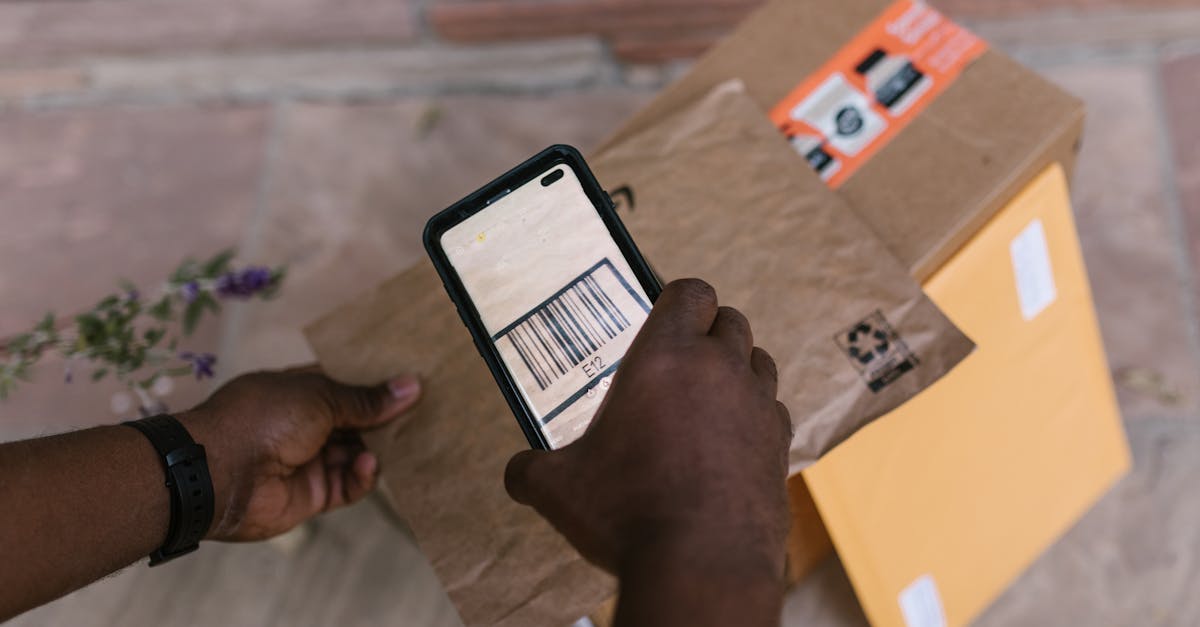
Walk into any thrift store, library sale, or estate sale with a smartphone scanner app, and you’re holding a money-printing machine in your pocket. While other shoppers browse randomly hoping to spot valuable books, you can scan barcodes and instantly know which $2 paperback will sell for $85 on Amazon-and exactly how fast it will sell.
Book arbitrage is one of the last true “hidden in plain sight” opportunities in reselling. Most people have no idea that dusty textbook sitting in a library sale box for $3 could generate $200 in profit. They don’t know that obscure technical manual from 1998 is worth $150 to a hobbyist. And they certainly don’t realize you can build a consistent six-figure income scanning books a few hours per week.
The barrier to entry is remarkably low: a smartphone, a $10/month scanner app subscription, and access to book sources. Unlike retail arbitrage or online flipping, books are everywhere-library sales, thrift stores, garage sales, estate sales, and even free-pile giveaways. The key is knowing what you’re looking at, which is exactly what scanner technology solves.
This complete guide covers everything you need to build a profitable book reselling business in 2026. We’ll break down the best scanner apps, teach you to read sales rank like a pro, reveal which book categories generate the highest ROI, and show you exactly how to use Amazon FBA to create a mostly-passive income stream from books.
Whether you’re looking for a weekend side hustle or building toward full-time income, book scanning remains one of the most accessible and profitable entry points into the reselling world.
Why Books Are Still Profitable in 2026
Every few years, someone declares book reselling “dead.” They said it when Amazon launched Kindle. They said it when COVID shut down used bookstores. They said it again when AI was supposed to replace all learning. They were wrong every time.
The Textbook Market Never Dies
College students need textbooks, and publishers deliberately make new editions incompatible with previous ones to kill the used market. But here’s the reality:
Average textbook cost (new): $120-300 Average textbook cost (used on Amazon): $50-150 Student budget: Barely enough for tuition and ramen
Students will always seek used textbooks to save money. A mechanical engineering student needs that $250 thermodynamics textbook whether they buy it new or find it used. This creates consistent, predictable demand.
Real numbers from Q3 2025 (August-September textbook rush):
- Average textbook flip profit: $41 per book
- Average ROI: 287%
- Sell-through rate: 73% within 30 days
- Returns rate: Less than 2%
Niche Markets Are Massive
The long tail of book publishing creates incredible opportunities. Books on obscure topics-Medieval pottery, industrial HVAC systems, vintage radio repair-have tiny audiences. But those audiences are passionate and willing to pay.
Example Market: HAM Radio Manuals
- Total market size: ~760,000 licensed HAM radio operators in the US
- In-print learning resources: Limited
- Out-of-print manuals: High demand
- Average resale price: $35-120
- Source price: $1-5 at estate sales
Find books serving small, passionate niches and you’ve found profit.
Amazon FBA Solves the Fulfillment Problem
The breakthrough that makes book reselling scalable is Amazon FBA (Fulfillment by Amazon):
- You ship: Books to Amazon warehouse in bulk
- Amazon stores: Books in their facilities
- Amazon ships: Individual orders to buyers
- Amazon handles: Customer service and returns
This means you can be sourcing new inventory while Amazon is selling and shipping your previous purchases. The business becomes semi-passive-you actively source, then Amazon passively sells for you.
Physical Books Are Growing Again
After a decade of “ebooks will kill print,” physical book sales are increasing:
- 2024 print sales: +6.4% year-over-year
- Gen Z prefers physical books over ebooks (68%)
- Collectible and first edition market growing 12-15% annually
- Educational text (K-12 and college) remains 95% physical
The death of print was greatly exaggerated.
Competition Is Local, Supply Is Endless
Your competition isn’t national-it’s local. You’re not competing with every book reseller in America; you’re competing with other people in your city at the same library sale. And most of them don’t have scanner apps or know what they’re looking at.
Meanwhile, supply is endless:
- 3.4 billion books sold annually in the US
- Average household owns 114 books
- People constantly donate, declutter, downsize
- Books are heavy and annoying to store (which is good for us)
Low Capital Requirements
Compared to other reselling businesses:
Retail arbitrage: $500-2,000 starting inventory Online flipping: $1,000-3,000 for quality inventory Book scanning: $100-300 to fill first FBA shipment
You can start book reselling with pocket change and scale as you prove the model works.
Scanner Apps Compared (ScoutIQ, Scoutly, FBAScan)
Scanner apps are the essential tool that separates profitable book flippers from people wasting time. Here’s an honest comparison of the three leading apps in 2026.
ScoutIQ
Platform: iOS and Android Cost: $44/month (Live Only Plan) or $69/month / $648/year (Database Plan) Best For: Serious, volume-driven book resellers
Pros:
- Fastest scanning speed (0.3-0.5 seconds per book with Bluetooth scanner)
- eScore Analytics: Displays exact number of days out of the last 180 days that the ISBN had at least one sale (far superior to raw BSR alone)
- Offline downloadable database (scan inside basement thrift stores or library sales without cell service)
- Batch listing and FBA shipment integration
- Custom audio & visual triggers (instant high/low beep for Buy vs Skip)
- Built-in profit calculator factoring referral fees, closing fees, and FBA weight tiers
Cons:
- Database plan is $69/month
- Requires regular database downloads before sourcing trips
Verdict: ScoutIQ’s eScore and offline database make it the gold standard for high-volume book scanning. If you scan 500+ books per month, the time saved and offline reliability easily cover the subscription cost.
Scoutly (by ASINget)
Platform: iOS and Android Cost: $9.95/month (Live Only) or $35.00/month (Database Plan) Best For: Part-time resellers and budget-conscious sourcing
Pros:
- Much more affordable
- Clean, intuitive interface
- “Buy List” feature for tracking finds
- Shows FBA and Merchant offers side-by-side
- Good data accuracy
- Accepts multiple triggers (rules for auto-accept/reject)
Cons:
- Slower scan speed than ScoutIQ (1-2 seconds per book)
- Limited historical data
- iOS version less feature-rich than Android
- Occasional database sync issues
Verdict: Best value for part-time resellers. If you’re scanning 100-300 books per month, Scoutly gives you 90% of ScoutIQ’s functionality at 1/3 the price.
FBAScan
Platform: iOS and Android Cost: $9.99/month Best For: Complete beginners testing the waters
Pros:
- Cheapest option
- Easy to learn
- Basic profitability calculations
- Lightweight app (fast on older phones)
- Decent database
Cons:
- Limited features
- Slow scanning
- No batch listing
- Basic data presentation
- Frequent ads in free tier
Verdict: Good for your first month to test if book reselling is for you, then upgrade to Scoutly or ScoutIQ once you’re committed.
Free Alternatives
Amazon Seller App (Free)
- Can scan books but painfully slow
- Shows current Amazon prices
- No historical data
- No profit calculations
- Not recommended for serious sourcing
Inventory Lab (Free 2-week trial, then $40/month)
- Inventory management focused
- Includes scanning functionality
- Better for backend management than in-field sourcing
What Data Does a Good Scanner Show You?
All quality scanner apps display:
- Current Amazon price (lowest FBA and Merchant offers)
- Sales Rank (BSR) - How fast the book sells
- Number of FBA sellers - Competition level
- Number of Merchant sellers - Additional competition
- Estimated monthly sales - Based on rank
- Your potential profit - After FBA fees
- Historical pricing - Price trends over time
- ISBN verification - Ensures you’re looking at right edition
Setting Up “Triggers” for Speed
Triggers are rules that auto-accept or auto-reject books based on your criteria:
Example Trigger Setup:
Auto-Accept if:
- Sales Rank < 500,000
- FBA offers ≥ $15
- Number of FBA sellers ≤ 5
- Estimated profit > $5
Auto-Reject if:
- Sales Rank > 2,000,000
- FBA price < $10
- More than 15 FBA sellers
- Book condition below “Good”
With good triggers, you can scan 100+ books per hour, only stopping to examine accepted items.
Recommendation by Experience Level
Complete Beginner (First 3 months):
- Start with FBAScan ($10/month)
- Learn the basics without major investment
- Scan 50-100 books to understand the market
Committed Part-Timer (3-12 months in):
- Upgrade to Scoutly ($15-40/month)
- Better data helps you make smarter buys
- ROI justifies the cost easily
Serious/Full-Time (12+ months, $2,000+/month revenue):
- Upgrade to ScoutIQ ($44/month)
- Speed advantage = more inventory sourced per hour
- Professional features needed for volume
Pro Tip: Many successful resellers use Scoutly for general sourcing and ScoutIQ for library sales where they need maximum scanning speed to process hundreds of books quickly.
Real ISBN Scan Decision Walkthrough
To see how scanner apps convert raw barcode data into clear sourcing decisions, consider this actual scan audit from a library book sale:
┌─────────────────────────────────────────────────────────────────────────┐
│ SCANNER AUDIT: ScoutIQ / Live Search                                    │
├─────────────────────────────────────────────────────────────────────────┤
│ ISBN-13:       978-0134685991                                           │
│ Title:         Fundamentals of Engineering Thermodynamics (9th Ed)      │
│ Category:      Books > Engineering > Mechanical                         │
│ Source Price:  $3.00 (Library Book Sale)                                │
├─────────────────────────────────────────────────────────────────────────┤
│ Sales Rank:    142,500 (Top 0.3% of Books)                              │
│ eScore:        54 / 180 (Sold on 54 separate days in past 6 months)     │
│ Lowest FBA:    $68.50 (Used - Good)                                     │
│ Lowest FBM:    $54.00 + $4.49 shipping                                   │
│ Offer Count:   4 FBA Sellers, 11 FBM Sellers                            │
├─────────────────────────────────────────────────────────────────────────┤
│ FINANCIAL BREAKDOWN (FBA Sale at $68.50):                               │
│  - Gross Sale Price:                    $68.50                          │
│  - Amazon Referral Fee (15%):          -$10.28                          │
│  - Variable Closing Fee (Media):        -$1.80                          │
│  - FBA Fulfillment Fee (2.2 lbs):       -$5.45                          │
│  - Inbound Shipping to FBA (est):       -$0.60                          │
├─────────────────────────────────────────────────────────────────────────┤
│ NET PAYOUT FROM AMAZON:                 $50.37                          │
│ MINUS BUY COST:                        -$3.00                          │
│ NET PROFIT:                             $47.37 (ROI: 1,579%)            │
│                                                                         │
│ VERDICT: ACCEPT / BUY INSTANTLY (High Velocity + High Margin)           │
└─────────────────────────────────────────────────────────────────────────┘
Key Decision Rules Applied:
- eScore > 30: Confirms active demand (not an artificially inflated price on a dead book).
- Margin Floor > $15: Ensures net profit absorbs minor price fluctuations while in transit to Amazon.
- FBA Premium: FBA price ($68.50) commands a $14.50 premium over FBM ($54.00) because student Prime buyers prioritize 2-day delivery during registration week.
Understanding BSR & Sales Rank
Sales Rank (BSR - Best Sellers Rank) is the single most important number in book reselling. It tells you how fast a book will sell, which determines whether a book is worth buying.
What Is BSR?
BSR is Amazon’s ranking system showing how frequently an item sells compared to other items in its category. Books have their own BSR separate from other products.
How it works:
- Lower number = Faster sales
- Higher number = Slower sales
- Rank updates when book sells
- Recalculates constantly based on sales velocity
The Scale:
Amazon has approximately 50 million books in its catalog. Rank ranges from 1 to 50,000,000+.
BSR Speed Guidelines
Here’s what different rank ranges mean for sell-through time:
Rank 1-50,000 (Hot Sellers)
- Expected sale time: 1-7 days
- Very popular books
- High competition (lots of sellers)
- Examples: Current bestsellers, popular textbooks in season
Rank 50,000-200,000 (Fast Sellers)
- Expected sale time: 1-3 weeks
- Solid demand
- Good balance of demand/competition
- Sweet spot for consistent turnover
Rank 200,000-500,000 (Steady Sellers)
- Expected sale time: 1-2 months
- Moderate demand
- Acceptable if profit margin is strong ($15+ profit)
- Requires patience
Rank 500,000-1,000,000 (Slow Sellers)
- Expected sale time: 2-4 months
- Low demand
- Only buy if exceptional profit ($25+ profit)
- Storage costs eat into margins
Rank 1,000,000-3,000,000 (Very Slow)
- Expected sale time: 4-12 months
- Very low demand
- Avoid unless profit exceeds $40
- Risk of never selling
Rank 3,000,000+ (Dead Zone)
- Expected sale time: 12+ months or never
- Book rarely or never sells
- Do not buy (exceptions for rare collectibles worth $100+)
The Profitability Matrix
The best buys combine LOW rank (fast sales) with HIGH profit:
| Rank Range | Minimum Profit | Why |
|---|---|---|
| <100k | $3+ | Sells fast, volume compensates for low margin |
| 100k-300k | $5+ | Good balance point |
| 300k-500k | $8+ | Slower sale needs better margin |
| 500k-1M | $15+ | Compensate for long hold time |
| 1M-2M | $25+ | Only if extraordinary margin justifies wait |
| 2M+ | Don’t buy | Unless $50+ profit on collectible |
Reading Rank History
Modern scanner apps show rank history, not just current rank. This reveals selling patterns:
Steady Rank (Example: Fluctuates 200k-350k)
- Consistent sales
- Reliable turnover
- Safe buy
Volatile Rank (Example: Jumps 500k → 80k → 600k → 120k)
- Seasonal demand or intermittent sales
- Sells in bursts
- Can be profitable but unpredictable
Declining Rank (Example: Was 150k, now 800k)
- Demand decreasing
- Possibly outdated edition
- Avoid unless deeply discounted
Improving Rank (Example: Was 600k, now 200k)
- Demand increasing
- Possibly assigned as textbook at university
- Good buy if priced right
Seasonal BSR Considerations
Some books have predictable seasonal rank patterns:
Textbooks:
- Rank improves July-September (back to school)
- Rank tanks October-June (off season)
- Buy based on in-season rank, not current rank
Tax Books:
- Rank improves January-April (tax season)
- Rank drops May-December
- Seasonal buying opportunity
Test Prep Books (SAT, ACT, GRE, etc.):
- Rank improves December-February and May-July
- Students preparing for upcoming tests
Holiday Cookbooks:
- Rank improves October-December
- Dead weight rest of year
Summer Reading Lists:
- Classic literature ranks improve May-August
- Schools assign summer reading
When to Ignore BSR
There are situations where you can bend or ignore rank guidelines:
1. First Editions/Collectibles
- Rank often poor because collectible value isn’t reflected
- Check collectible book sites (AbeBooks, Biblio)
- May sell to collector, not general reader
2. Very Low Competition
- If rank is 2M but you’re the only FBA seller
- You control pricing
- Can price high and wait for patient buyer
3. Extremely High Profit
- If you paid $2 and can sell for $150
- Even if it takes 6 months, ROI is 7,400%
- Worth the wait
4. Niche Technical Books
- Small audience but passionate buyers
- Rank doesn’t reflect specialist demand
- Research sold listings to verify sales
BSR Pro Tips
Tip 1: Books with multiple selling spikes on rank chart have proven demand, even if current rank is temporarily high.
Tip 2: Brand new books with no rank history are risky. Wait for sales data before buying multiples.
Tip 3: Books trending on social media (BookTok, etc.) will see rank improvements. Stay culturally aware.
Tip 4: Check rank in mid-morning. Overnight rank changes can be misleading.
Textbook Flipping (Highest ROI Category)
Textbooks are the crown jewel of book reselling. No other book category offers comparable profit margins, consistent demand, and predictable seasonality.
Why Textbooks Are So Profitable
1. Forced Purchase Students must buy assigned textbooks. It’s not optional. This creates inelastic demand.
2. Extreme New Prices Publishers charge $150-400 for new textbooks. Even used copies at $60-120 feel like bargains to students.
3. Edition Manipulation Publishers release new editions every 2-3 years, often with minimal changes. This:
- Kills new book demand for previous editions
- Forces older editions into secondary market
- Creates buying opportunity (old editions cheap, still usable)
4. Predictable Demand Cycle
- Peak demand: Late July through September
- Secondary peak: January (spring semester)
- Off-season: October-June
Types of Textbooks & Profit Potential
STEM Textbooks (Science, Technology, Engineering, Math):
- Highest profit potential
- Average profit: $35-80 per book
- Examples: Calculus, organic chemistry, physics, engineering
- Least edition-sensitive (math doesn’t change much)
Business & Economics:
- Very good profit
- Average profit: $25-50 per book
- Examples: accounting, finance, marketing, management
- More edition-sensitive (references current data)
Medical & Nursing:
- Excellent profit
- Average profit: $40-90 per book
- Examples: anatomy, pharmacology, nursing texts
- High prices justify higher sourcing costs
Social Sciences:
- Moderate profit
- Average profit: $15-30 per book
- Examples: psychology, sociology, political science
- More competitive (more sellers)
Liberal Arts:
- Lower profit but high volume
- Average profit: $10-25 per book
- Examples: English lit, history, philosophy
- Often assigned to large intro classes (high demand)
Sourcing Textbooks
Where to Find Textbooks:
Thrift Stores:
- Hit-or-miss but cheap ($2-5 per book)
- Check frequently (inventory turns over)
- Best times: End of semester (December/May)
Library Sales:
- Donated textbooks from professors and students
- Often outdated editions (which can still be profitable)
- Prices: $1-5 per book
Estate Sales:
- Great for medical, engineering, business texts
- Professionals’ home libraries
- Often multiple books per household
Craigslist/Facebook Marketplace:
- Students offloading textbooks after graduation
- Can buy entire collections
- Negotiate bundle pricing
College Bookstore Buyback Lines:
- Wait outside during buyback week
- Offer $2-3 more than bookstore
- Students appreciate immediate cash vs. bookstore credit
Textbook Rental Returns:
- Some rental companies sell returned books
- Check liquidation sites (B-Stock, Direct Liquidation)
Edition Strategy
Understanding editions is critical:
Latest Edition:
- Highest demand
- Most competitive
- Highest FBA price
- Requires higher sourcing cost
One Edition Behind:
- Still strong demand (students seeking cheaper option)
- Much cheaper to source
- Better profit margins
- Sweet spot for reselling
Two+ Editions Behind:
- Demand depends on how much content changed
- Research if older edition is still usable
- Very cheap to source
- Can be profitable for slower sellers
International Editions:
- Same content, “Not for sale in USA” label
- Significantly cheaper
- Students buy them anyway
- Legal gray area (technically legal to resell, but some schools discourage)
- Lower prices but very high margins
Seasonal Timing Strategy
Best Buying Windows:
October-June (Off-Season):
- Lowest prices
- Build inventory slowly
- Store for rush season
May-June (End of Spring Semester):
- Students dumping books
- Good selection
- Still relatively cheap
December-January (Between Semesters):
- Winter break cleanouts
- Holiday money motivates selling
- Decent prices
Worst Buying Times:
July-September (Rush Season):
- Competition for inventory drives prices up
- Better to sell, not buy
- Only buy exceptional deals
Textbook Listing Strategy
Timing:
- List textbooks 4-6 weeks before semester starts
- July 1 for fall semester
- December 1 for spring semester
Pricing:
- Start at top of market (20% below new price)
- Lower price gradually if not selling within 2 weeks
- Don’t race to bottom immediately
Condition Honesty:
- Be accurate about highlighting, writing, water damage
- Textbook buyers more forgiving than general book buyers
- Honest description prevents returns
Profit Examples: Real Textbook Flips
Example 1: Engineering Textbook
- Book: “Thermodynamics: An Engineering Approach” 8th Edition
- Source: Library sale, April
- Cost: $3
- Listed: July 15
- Sold: August 22
- Sale price: $127
- FBA fees: $19.48
- Net profit: $104.52
- ROI: 3,484%
Example 2: Medical Textbook
- Book: “Netter’s Anatomy Coloring Book”
- Source: Estate sale, March
- Cost: $8
- Listed: July 1
- Sold: August 8
- Sale price: $68
- FBA fees: $11.89
- Net profit: $48.11
- ROI: 601%
Example 3: Bulk Buy Strategy
- Source: Facebook Marketplace - graduating student
- Books: 12 textbooks (STEM and business mix)
- Total cost: $60 ($5 per book average)
- Sold 9 books within 2 months
- Total revenue: $487
- FBA fees: ~$73
- Net profit: ~$354
- ROI: 590%
- 3 books still in inventory (likely another $100+ profit)
The Textbook Rush Experience
During August and January, textbooks move fast. It’s common to:
- Sell 20-30 textbooks per week
- Generate $1,500-3,000 in revenue per week
- See items sell within 24-48 hours of listing
This is when your spring/summer sourcing pays off. Having 100-200 textbooks ready to list in July means riding the wave of peak demand while competition scrambles to source inventory.
First Edition & Collectible Books
While textbooks offer consistent income, first edition and collectible books offer the potential for massive one-time profits. Finding a $2 book that sells for $500 is rare, but it happens regularly to resellers who know what to look for.
What Makes a Book Collectible?
First Edition Indicators:
- States “First Edition” on copyright page
- Publisher’s number line includes “1” (1 2 3 4 5 = first printing)
- Original dust jacket present and undamaged
- No “Book Club Edition” marking
- Publisher-specific points (varies by publisher)
Value Drivers:
- Author significance (famous or cult following)
- Scarcity (limited print run)
- Book condition (condition is everything)
- Cultural significance (changed the conversation)
- Signatures or inscriptions (by author)
- Subject matter (some topics highly collected)
High-Value Categories
Modern First Editions:
- Stephen King first editions ($30-300)
- Harry Potter true first editions ($500-50,000)
- Cormac McCarthy ($100-1,000)
- Margaret Atwood ($50-400)
- Contemporary literary fiction (Pulitzer/Booker winners)
Vintage Paperbacks:
- Penguin first editions (1930s-1960s)
- Vintage crime/noir (1940s-1950s)
- Beat Generation (Kerouac, Ginsberg, Burroughs)
- Science fiction golden age (Asimov, Heinlein, Clarke)
Children’s Books:
- Dr. Seuss first editions
- Beatrix Potter
- Eric Carle
- Maurice Sendak (“Where the Wild Things Are” first = $2,000+)
Signed Copies:
- Current bestselling authors: $30-100
- Literary legends: $100-5,000
- Presidents and historical figures: $500-20,000
- Verify authenticity (signed book dealers, authentication services)
Illustrated/Art Books:
- Limited edition prints
- Artist-signed copies
- Out-of-print art monographs
- Vintage National Geographic
Where to Find Collectible Books
Estate Sales:
- Best source for older collections
- Look for lifetime readers’ libraries
- Often underpriced by estate sale companies
- Bring reference guides or check phone
Library Sales:
- Withdrawn rare books section
- Often overlooked by casual browsers
- Librarians sometimes don’t know values
- Books often in very good condition
Thrift Stores:
- Rare but lucrative finds
- Check “rare books” section if they have one
- Goodwill Auctions online (shopgoodwill.com)
Garage Sales:
- Older homeowners downsizing
- Price: Usually $0.25-$1 per book
- Goldmine for vintage paperbacks
Book Fairs:
- Harder to find deals (sellers more knowledgeable)
- But can find mid-range collectibles other dealers overlooked
- Networking opportunity with collectors
Grading Collectible Books
Condition is paramount. Same book in different conditions varies by 10x in value.
Grading Scale:
As New/Fine: Perfect condition, no flaws Near Fine: Minimal wear, very slight imperfections Very Good: Minor wear, clean and tight Good: Average used book, some wear, all pages present Fair: Heavy wear, markings, still readable Poor: Damaged, for reading only
Dust Jacket Importance:
For books originally issued with dust jackets, the jacket often represents 70-90% of the book’s value.
Example:
- First edition “To Kill a Mockingbird” with jacket: $3,000-8,000
- Same book without jacket: $300-800
Protect dust jackets with archival-quality mylar covers.
Authentication & Research
Before buying potential collectibles:
Quick Phone Research:
- Search: “[Book Title] first edition” on Google
- Check AbeBooks for price range
- Verify edition points
- Check sold eBay listings for realistic prices
Red Flags:
- Book Club editions (worthless to collectors)
- Ex-library copies (stamps and markings kill value)
- Water damage or musty smell
- Missing pages
- Heavy writing/highlighting
Authentication Services: For very high-value books ($500+):
- Professional appraisers
- Auction houses (free estimates)
- Specialist dealers
Selling Collectible Books
Not Through FBA: Collectible books should NOT go to Amazon FBA where warehouse workers might damage them.
Better Platforms:
AbeBooks:
- Specialty marketplace for rare/collectible books
- Serious buyers
- Commission: ~15%
eBay:
- Auction or Buy It Now
- Broader audience
- Use detailed photos and description
- Ship with extreme care
Direct to Dealers:
- Used bookstores that handle collectibles
- Expect 40-60% of retail value
- Immediate cash
- Good for mid-range items ($50-200)
Profit Example: Collectible Find
Book: First Edition “The Shining” by Stephen King (1977)
- Source: Estate sale
- Cost: $5
- Condition: Near Fine, dust jacket present with minimal wear
- Research: AbeBooks shows range $350-600
- Listed: eBay auction
- Sold: $487
- eBay fees: $60
- Shipping & materials: $12
- Net profit: $410
- ROI: 8,200%
These finds are rare-maybe 1 in 500-1,000 books scanned. But they subsidize hundreds of routine textbook and standard FBA sales.
Best Sourcing Locations for Books
Where you source books matters as much as what you source. Some locations consistently yield profitable inventory while others waste your time.
Library Book Sales
Why They’re Great:
- Huge volume (thousands of books)
- Rock-bottom prices ($1-3 per book)
- Already curated (library selected them originally)
- Often include donations from estates
Types:
Annual Sales:
- Once or twice per year
- Massive events with 10,000-50,000 books
- Competitive (dealers arrive early)
- Multi-day events (prices drop each day)
Ongoing Sales:
- Small continuous sales at library
- Replenished weekly
- Less competitive
- Consistent sourcing opportunity
Friends of the Library Sales:
- Fundraisers for library programs
- Well-organized
- Often presorted by category
Strategy:
- Attend early bird/preview hours if available (worth the extra $5-20 fee)
- Bring rolling cart or wheeled bag
- Scan aggressively, collect accepted books
- Pay attention on last day (bag sales: $5-10 for all you can fit)
Best Sections:
- Textbooks
- Technical/professional
- Medical
- Business
- Collectibles (if they have a separate section)
Thrift Stores (Goodwill, Salvation Army, Local Thrifts)
Pros:
- Year-round consistent inventory
- New donations daily
- Cheap pricing ($2-5 per book)
- Can build relationships with staff
Cons:
- Hit-or-miss quality
- Inconsistent book quality
- Competition from other resellers
- Time investment (lots of scanning for few keepers)
Strategy:
- Visit 2-3 times per week
- Learn delivery schedules (when new donations hit floor)
- Check multiple locations
- Build rapport with staff (they may set aside good books)
Best Times:
- Monday mornings (weekend donations processed)
- After holidays (people decluttering)
- May-June (graduation/moving season)
Estate Sales
Why They’re Excellent:
- Entire lifetime book collections
- Professionals, academics, hobbyists had specialized libraries
- Books often very good condition (cared for)
- Lower competition (most estate sale shoppers want furniture/decor)
How to Find:
- EstateSales.net
- Craigslist
- Facebook Events
- Local estate sale companies’ mailing lists
Strategy:
- Arrive early on first day (best selection)
- Look for professional indicators in description (“professor,” “engineer,” “doctor”)
- Sundays often 50% off everything
- Make bulk offers on entire book collections
What to Look For:
- Home offices/libraries with floor-to-ceiling bookshelves
- Professional fields (engineering, medical, law, business)
- Hobbies (woodworking, gardening, crafts = manual books = value)
Garage Sales & Yard Sales
Pros:
- Extremely cheap ($0.25-1 per book)
- Often free at end of sale
- Can buy entire collections for $20-50
- Almost zero competition
Cons:
- Time-consuming to find good sales
- Most sales have few books or junk books
- Outdoor conditions (heat, sun exposure)
Strategy:
- Use apps: Garage Sale Finder, Yard Sale Treasure Map
- Look for keywords in listings: “moving sale,” “downsizing,” “estate”
- Hit 5-10 sales per Saturday morning
- Bring cash in small bills
- Make bulk offers
University Campus Sales
Types:
Student Housing Moveouts (May/June):
- Students dump textbooks and general books
- Free piles outside dorms
- Literally free inventory
- University surplus sales
Campus Bookstore Buybacks:
- Stand outside with higher offers than bookstore
- Students prefer immediate cash
- Can buy $200+ worth of textbooks in 2 hours
Craigslist & Facebook Marketplace
Search Terms:
- “Books”
- “Moving sale”
- “Book collection”
- “Textbooks”
- “Library”
Strategy:
- Set up alerts for new listings
- Respond immediately (good deals vanish fast)
- Negotiate bundles
- Offer pickup today (seller convenience = better price)
Red Flags:
- Retail/new books (usually no margin)
- Reader’s Digest condensed books (worthless)
- Encyclopedias (nearly worthless)
- Outdated reference books
Online Sourcing
Sites:
- Huge online used bookseller
- Has its own clearance section
- Can find deals to flip to Amazon
- Sort by price low-high
- Compare buyback prices across platforms
- Sometimes errors create arbitrage opportunities
- Buy low from one platform, sell high on another
Library Auction Sites:
- Public libraries selling withdrawn books
- Bulk lots
- Competitive but occasional great buys
eBay:
- Book lots and collections
- Filter: Buy It Now, sort by newly listed
- Jump on underpriced lots immediately
Wholesale & Bulk Sources
Book Liquidators:
- American Book Company
- Book Depot
- Buy pallets or gaylords of books
- Prices: $0.10-1 per book
- Volume play (low hit rate but massive volume)
Publisher Overstock:
- BookPal
- Bulk Bookstore
- Remaindered books (new but publisher dumping)
- Good for bundling or unique FBA angle
Amazon FBA for Books (Setup & Requirements)
Amazon FBA transforms book reselling from a manual fulfillment nightmare into a scalable business. Here’s exactly how to set it up and use it effectively.
Why FBA for Books?
Buyer Preference:
- 82% of Amazon shoppers filter for Prime-eligible items
- FBA books appear higher in search results
- Win the Buy Box more frequently
- Buyers trust Amazon shipping and customer service
Your Benefits:
- Ship books in bulk, not individually
- Amazon handles storage
- Amazon handles customer service
- Amazon processes returns
- Your time freed for sourcing
The Math:
Merchant Fulfilled:
- Sell book for $25
- Buyer pays shipping separately
- You pack and ship each order
- Time per order: 10-15 minutes
- Shipping cost: $4-6
FBA:
- Sell book for $25
- Shipping included in price
- Amazon packs and ships
- Time per order: 0 minutes
- FBA fee: $4-6 (comparable to your shipping cost)
FBA = Same cost, zero time
Setting Up Your Amazon Seller Account
Step 1: Choose Account Type
Individual Account:
- Cost: $0.99 per sale
- Good for: <40 sales per month
- Limited features
Professional Account:
- Cost: $39.99/month
- Good for: 40+ sales per month
- Full features
- Can apply for new condition privileges
- Required for FBA eligibility effectively
Recommendation: Start with Professional if you plan to send FBA inventory.
Step 2: Complete Seller Registration
Required info:
- Business type (individual or LLC/corporation)
- Tax information (SSN or EIN)
- Bank account (for payouts)
- Credit card (for fees)
- Phone number (verification)
Step 3: Approval Process
- Amazon reviews application (24-48 hours typically)
- May request additional verification
- Be responsive to requests
Understanding FBA Fees
Referral Fee: 15% of sale price (for books)
FBA Fulfillment Fee: Varies by size/weight
Standard Size Books:
- Small (under 12 oz): ~$3.70
- Medium (12 oz - 1 lb): ~$4.30
- Large (1-2 lbs): ~$5.40
- Extra large (2-3 lbs): ~$7.90
Monthly Storage Fees:
- Jan-Sept: $0.87 per cubic foot
- Oct-Dec: $2.40 per cubic foot (holiday season)
Long-term Storage:
- Items stored 365+ days: $6.90 per cubic foot
- Avoid this by removing slow inventory
Profitable FBA Formula
For a book to be profitable FBA:
Minimum Sale Price Formula: (Source Cost + $1 prep/shipping) ÷ 0.65 = Minimum sale price
Example:
- You paid $3 for book
- ($3 + $1) ÷ 0.65 = $6.15 minimum sale price
The 0.65 accounts for:
- 15% referral fee
- ~20% FBA fees
- ~0% approximate storage for reasonable turnover
Target: $8-10 profit per book minimum
Creating Your First FBA Shipment
Step 1: Add Books to Inventory
- Scan barcode or enter ISBN
- Select condition accurately
- Set your price
Step 2: Create Shipment Plan
- Select FBA inventory
- Click “Send/Replenish Inventory”
- Choose shipment plan
Step 3: Prepare Books
FBA Requirements:
- Remove existing price stickers
- Label with FNSKU (Amazon’s tracking label)
- Remove or cover non-Amazon barcodes
- Ensure good condition (no mold, excessive damage)
Labeling Options:
- Print and apply labels yourself (free but time-consuming)
- Pay Amazon to label ($0.30-0.55 per unit - worth it for high volume)
Step 4: Pack Shipment
Amazon Requirements:
- Boxes under 50 lbs
- Standard box sizes when possible
- Properly sealed
- Shipment contents match manifest
Pro Tip: Use book boxes from liquor stores (free, sturdy, perfect size).
Step 5: Ship to Amazon
Options:
UPS/FedEx (for small shipments):
- Buy shipping through Amazon Seller Central (discounted)
- Drop at carrier location
- Good for <30 lbs
Amazon Partnered Carrier (for larger shipments):
- Deep discounts
- Schedule pickup
- Good for 30+ lbs
Freight (for huge shipments):
- Pallets
- Professional operations
- 150+ lbs
Managing Your FBA Inventory
Monitor Metrics:
Inventory Performance Index (IPI):
- Amazon’s score for inventory efficiency
- Target: Above 450
- Higher = more storage limits
Aged Inventory:
- Track items 90+ days old
- Consider price reductions
- Remove slow sellers before long-term storage fees hit
Stranded Inventory:
- Inventory at Amazon but not for sale (listing errors)
- Fix immediately (losing money every day)
Restock Recommendations:
- Amazon suggests when to send more inventory
- Based on sales velocity
- Generally reliable
FBA Pricing Strategy
Competitive Pricing:
- Match or beat lowest FBA offer (not Merchant offers)
- Use automated repricers (RepricerExpress, BQool)
- React to competition changes
Gradual Price Adjustment:
- Start at top of market
- Lower 5-10% every 2 weeks if not selling
- Don’t race to bottom immediately
Seasonal Adjustments:
- Raise prices during peak demand (textbook season)
- Lower during slow periods
- Use repricing software with seasonal rules
Common FBA Mistakes to Avoid
Mistake 1: Sending inventory that’s too slow (rank >2M)
- Result: Long-term storage fees eat profit
- Solution: Be disciplined about rank cutoffs
Mistake 2: Incorrect condition grading
- Result: Returns, negative feedback, account risk
- Solution: Grade conservatively (when in doubt, grade down)
Mistake 3: Not removing aged inventory
- Result: Storage fees accumulate
- Solution: Set calendar reminders, remove after 6 months no sales
Mistake 4: Shipping mis-preparation
- Result: Amazon refuses shipment or charges prep fees
- Solution: Follow guidelines precisely
Mistake 5: Ignoring account health
- Result: Suspension risk
- Solution: Monitor metrics weekly
Merchant Fulfilled vs FBA for Books
For a comprehensive breakdown of when to choose Amazon FBA vs Merchant Fulfillment across different product weight classes and fee tiers, see our Amazon FBA vs FBM comparison guide.
Not all books should go to Amazon FBA. Understanding when to use Merchant Fulfilled (MF) vs. FBA is crucial for maximizing profits.
When to Use FBA
Best for FBA:
High-velocity books (Rank <500k):
- Sell quickly
- Storage time minimal
- FBA speed advantage wins buy box
Standard size/weight books:
- FBA fees reasonable
- Not penalized by size
Textbooks in season:
- Peak demand period
- Speed advantage critical
- Students pay premium for Prime shipping
Books you have multiples of:
- Send all to FBA
- Scale operations
- Batch processing efficiency
New or Like New condition:
- Command premium prices
- FBA professional presentation
When to Use Merchant Fulfilled
Best for MF:
Very heavy books (5+ lbs):
- FBA fees excessive
- You can ship cheaper (Media Mail)
- Example: Large art books, encyclopedias, atlases
Very slow books (Rank >1M):
- Will sit in Amazon warehouse for months
- Storage fees accumulate
- Better to store yourself and wait
High-value collectibles ($100+):
- Risk of damage at Amazon warehouse
- You want control of handling
- Serious buyers willing to wait for shipment
Books you want to bundle:
- Create custom bundles (textbook + solution manual)
- FBA doesn’t allow custom bundling easily
- MF gives you flexibility
Books with low margins:
- If profit would be <$5 FBA
- MF might preserve more margin
- Example: $12 sale price book
Hybrid Strategy
Most successful book resellers use both:
FBA: 70-80% of inventory
- All textbooks in season
- Standard trades and paperbacks
- Fast sellers
- Mainstream inventory
MF: 20-30% of inventory
- Heavy/oversized books
- Slow collectibles
- Very low-margin items
- Custom bundles
MF Fulfillment Best Practices
Before shipping merchant-fulfilled book orders, verify that your package contents qualify for discounted Media Mail rates (excluding advertising or non-qualifying items) using our USPS Media Mail Eligibility Checker.
If you’re merchant fulfilling:
Shipping:
- Use USPS Media Mail (cheapest for books)
- Buy postage through PayPal/Stamps.com for discounts
- Print labels at home
- Schedule USPS pickups (free)
Packaging:
- Bubble mailers for paperbacks
- Boxes for hardcovers
- Over-protect (books damaged in shipping = bad feedback)
Order Management:
- Ship within promised timeframe (Amazon monitors this)
- Upload tracking immediately
- Communicate proactively if delays
Storage:
- Organize by ISBN or SKU
- Create pick-path efficiency
- Use shelving system
Profit Comparison Example
Book: Calculus Textbook, 3 lbs Sale Price: $85
FBA Math:
- Sale price: $85
- Referral fee (15%): $12.75
- FBA fee (3 lb book): ~$7.40
- Your share: $64.85
- Source cost: $6
- Net profit: $58.85
MF Math:
- Sale price: $85
- Referral fee (15%): $12.75
- Shipping cost (Media Mail): $4.50
- Packaging: $0.75
- Your share: $67.00
- Source cost: $6
- Net profit: $61.00
MF wins by $2.15, but:
- FBA saves 10 minutes fulfillment time
- FBA likely wins Buy Box more often
- FBA sells faster
Verdict: For $2 difference, FBA is worth it for time savings.
The Mental Math Decision Tree
When scanning a book, quick mental calculation:
-
Is it profitable FBA? (Use scanner app calculation)
- Yes → Default to FBA
- No → Consider MF
-
Is it >4 lbs?
- Yes → MF likely better
- No → FBA likely better
-
Is rank >1.5M?
- Yes → MF to avoid storage fees
- No → FBA for speed
-
Is profit >$10 either way?
- Yes → Buy it and decide later
- No → Pass unless amazing price
Book Condition Grading Standards
Accurate condition grading is essential for customer satisfaction, avoiding returns, and maintaining your seller reputation. Amazon has specific grading standards for books.
Amazon’s Official Condition Guidelines
New:
- Brand new, unused
- Original shrink wrap (if originally shrink-wrapped)
- No markings, writing, or highlighting
- Dust jacket present and perfect (if originally issued)
- No remainder marks
Like New:
- Appears unread
- No markings, writing, highlighting, or underlining
- Cover and binding tight and unmarked
- Dust jacket (if originally issued) present and perfect
- May have “as new” sticker or stamp from previous seller
Very Good:
- Shows some limited signs of wear
- All pages and cover intact (no missing pages)
- Spine may show light wear
- Minimal writing or highlighting (less than 10% of content)
- Dust jacket (if originally issued) may show wear but must be present
- May have limited notes (must disclose)
Good:
- Shows obvious signs of wear
- All pages and cover intact (no missing pages)
- May have some writing or highlighting
- May have library markings and stamps
- May not include dust jacket
- Binding tight, no loose pages
- Acceptable for reading, but clearly used
Acceptable:
- Heavily worn but readable
- All pages must be present
- Heavy writing, highlighting, or markings acceptable
- May have tears, water damage, or other damage (must disclose)
- Binding may be damaged but must hold book together
- May have library markings
- Cover may be damaged
Specific Issues & How to Handle
Writing/Highlighting:
- <1% of pages: Like New or Very Good
- 1-10% of pages: Very Good
- 10-25% of pages: Good
-
25% of pages: Acceptable
Ex-Library Books:
- Maximum condition: Good (never Very Good or Like New)
- Disclose library markings in description
- Note: stamps, card pockets, labels
- Some buyers avoid ex-library entirely
Water Damage:
- Any water damage = maximum Acceptable
- Must disclose in description
- Even if dried, mention it
- Warped pages = red flag for buyers
Missing Dust Jacket:
- For books originally issued with jacket: drops one condition grade
- Near Fine book without jacket = Very Good maximum
- Must note “No dust jacket” in description
Remainder Marks:
- Black marker stripe on page edges (publisher overstock)
- Generally acceptable for Very Good or lower
- Disclose in description
- Does not affect functionality
Musty/Moldy Smell:
- Do not sell books with mold or mildew
- Musty smell without visible mold: maximum Acceptable
- Disclose odor in description
- Some buyers very sensitive to smell
Textbook-Specific Grading
Textbooks are graded more leniently by buyers:
Very Good Textbook:
- Moderate highlighting acceptable (students expect this)
- Corner bent/wear acceptable
- Name written inside cover acceptable
- Focus: Complete and functional
Good Textbook:
- Heavy highlighting/underlining
- Significant wear
- Some water damage if pages flat and readable
- Students care about content, not cosmetics
Common Textbook Issues:
- Access codes: If used/missing, MUST disclose (“No access code” in title)
- Loose binding: Disclose but often acceptable if book holds together
- Missing CD/DVD: Must disclose in title if originally included
Writing Condition Notes
Bad description: “Used book in good condition”
Good description: “Good condition. Minor highlighting on approximately 15 pages (chapters 3-5). Binding tight, no missing pages. Light shelf wear to corners. No writing other than highlighting.”
Key Elements:
- Specific about markings/damage
- Mention positives (tight binding, complete)
- Honest about negatives
- Set expectations correctly
Photo Tips for MF Listings
For higher-value books ($30+) or collectibles, add photos:
Essential Photos:
- Cover (front)
- Copyright page (proves edition)
- Spine
- Example of any damage/markings
- Back cover
Collectibles: 6. Dust jacket (if present) 7. Author signature (if signed) 8. Any unique features
Grading Consistency = Positive Feedback
Conservative grading prevents:
- Returns (cost you money)
- Negative feedback (hurts account health)
- Buyer disappointment
- Account strikes
When in doubt, grade down:
- Between Very Good and Good? Choose Good.
- Not sure if highlighting is 10% or 15% of book? Choose Good instead of Very Good.
You can note in description: “Graded conservatively as Good; may exceed expectations.”
Red Flags: Books Not Worth Selling
Do not list:
- Books with mold/mildew (health hazard, against Amazon policy)
- Books with missing pages
- Counterfeit books (serious account risk)
- Books with broken bindings (pages falling out)
- Water-damaged books that smell
- Books with heavy smoke odor
These create returns, negative feedback, and potential account suspension.
Pricing Strategy for Fast Turnover
The fastest way to kill your book reselling profits is poor pricing. Too high and inventory sits; too low and you leave money on the table. Here’s how to price books for optimal turnover and profit.
The FBA Pricing Sweet Spot
Goal: Be the lowest or tied-for-lowest FBA offer
Why not just lowest overall?
- Merchant offers appear lower because shipping is separate
- Buyers filter for Prime/FBA
- You want to win the Buy Box among FBA sellers
Example:
- Lowest MF offer: $12 + $4 shipping = $16 total
- Lowest FBA offer: $18 with free Prime shipping
- Your price: $17.99
You’re higher than the MF seller but lower FBA = you win FBA Buy Box.
Competitive Positioning Strategy
Check Competition Level:
0-2 FBA sellers:
- Price aggressively (top of range)
- You control the market
- Buyers have limited options
- Can test higher prices
3-5 FBA sellers:
- Match or slightly undercut lowest FBA
- Moderate competition
- Still some pricing power
6-10 FBA sellers:
- Match lowest FBA exactly
- Higher competition
- Focus on turnover speed
11+ FBA sellers:
- Undercut lowest by $0.25-0.50
- Very competitive
- Race to bottom risk
- Reconsider if profit drops below threshold
Dynamic Pricing
Book prices fluctuate constantly as:
- Sellers adjust prices
- Inventory sells out
- New sellers enter
- Demand shifts
Manual Repricing:
- Check prices weekly
- Adjust based on competition
- Time-consuming but free
Automated Repricing:
- Software monitors competition 24/7
- Adjusts your prices automatically
- Cost: $15-50/month
Repricer Software Options:
RepricerExpress:
- $60/month (50% off first month)
- Real-time repricing
- Works well with books
BQool:
- $25/month starter plan
- Good for part-timers
- Customizable rules
Aura:
- $30/month
- AI-driven
- Amazon-recommended
Repricing Rules Setup
Example Rule Set:
Rule 1: Be Competitive
- Match lowest FBA price
- Never go below $X (your minimum profit threshold)
- Ignore prices below $5 (likely liquidations)
Rule 2: Competition-Based
- If 0-2 FBA sellers: Price at 95% of highest FBA
- If 3-5 FBA sellers: Match lowest FBA + $0.01
- If 6+ FBA sellers: Match lowest FBA
Rule 3: Protect Margins
- Never price below cost + FBA fees + $8 minimum profit
Rule 4: Seasonal Adjustment
- Textbooks: Raise prices 10% August 1-15
- Lower prices in off-season
Slow Mover Strategy
Inventory 90+ Days Old:
Week 1-12: Full price (match market) Week 13-16: Reduce 10% Week 17-20: Reduce another 10% (now 20% total reduction) Week 21-24: Reduce to break-even or slight profit Week 25+: Consider removing from FBA, listing MF, or donating
Don’t: Let books sit in FBA forever accumulating storage fees.
Seasonal Price Adjustments
Textbooks:
June-July (Pre-Season):
- List aggressively at top prices
- Students shopping early are less price-sensitive
August 1-20 (Peak Season):
- Raise prices 15-25% if demand exceeds supply
- Competition inventory depletes
- Students desperate for books
August 21-Sept 15 (Late Season):
- Lower prices gradually to move remaining inventory
- Some demand remains but declining
Sept 16+ (Off-Season):
- Lower prices significantly or remove to avoid storage fees
Tax Prep Books:
November-December: Moderate prices January-April: Raise prices 20-30% May-October: Lower significantly or remove
Bundling for Higher Average Sale
Create bundles to increase per-transaction profit:
Textbook + Solution Manual:
- Sell separately: $60 + $40 = $100
- Sell bundled: $115
- Buyer saves $5, you move two items
- Higher overall profit
Series Sets:
- Sell individually: 4 books × $12 = $48
- Sell as set: $55
- Easier sale, one shipment, higher profit
Price Testing for Non-Ranked Books
For books with no rank (never sold on Amazon):
Strategy:
- Research sold eBay listings
- Check AbeBooks for comparable
- Start at estimated market price
- Drop 15% every 2 weeks
- Find the price point where it sells
Clearance Pricing Decision Framework
Question 1: Has book been in inventory 6+ months?
- Yes → Consider clearance
- No → Continue normal pricing
Question 2: What are storage fees to date?
-
$5 accumulated → Definitely clearance or remove
- <$2 accumulated → Can wait longer
Question 3: Is there still demand (sales rank improved)?
- Yes → Keep but lower price
- No (rank declining) → Clearance or remove
Question 4: Will you break even at clearance price?
- Yes → List at break-even, cut losses
- No → Remove and donate for tax deduction
Psychology of $0.99 Pricing
$19.99 vs. $20.00:
- Buyers perceive $19.99 as “in the teens”
- $20.00 feels like “twenties”
- Use .99 or .95 endings
But for books:
- Less psychological impact than retail
- Buyers more focused on content than price
- Matching competition matters more than pricing tricks
Common Pricing Mistakes
Mistake 1: Set-and-Forget Pricing
- Market changes constantly
- Prices from 2 months ago irrelevant
- Use repricing software or check weekly
Mistake 2: Racing to Bottom Too Quickly
- Undercutting by dollars instead of cents
- Destroys profit margins
- Undercut by $0.01-0.25, not $2-5
Mistake 3: Ignoring Buy Box Logic
- Assuming low price always wins
- Account health, fulfillment method, shipping speed matter
- FBA advantage often beats lower MF prices
Mistake 4: Not Having a Minimum
- Repricing below profitability
- Set floor prices in repricing software
- Better to remove item than sell at loss
Mistake 5: Overpricing Slow Inventory
- Hoping someone pays your price eventually
- Storage fees accumulate
- Better to move inventory and reinvest capital
Use Underpriced.app for smart book pricing: Our AI analyzes real-time competition, historical pricing trends, and sales velocity to recommend optimal prices that balance speed and profit. Set your minimum margins and let the algorithm find the sweet spot. Try free for 7 days.
Restricted Books & IP Issues
Not every book can be sold on Amazon. Understanding restrictions and avoiding intellectual property violations is critical for protecting your seller account.
Amazon’s Book Restrictions
Restricted Condition: New
Many books are “gated” for selling as New condition, meaning you need approval:
Why Amazon restricts:
- Prevent counterfeits
- Ensure authentic new copies
- Protect publishers
- Maintain buyer trust
Categories often restricted for New:
- Textbooks (most major publishers)
- High-value collectibles
- Professional/technical books
- Medical books
How to get ungated:
- Provide invoices from authorized distributors
- Show history of selling used books successfully
- Apply through Seller Central
- Requirements vary by category
Workaround:
- Sell as “Like New” instead of “New”
- Legal and acceptable for non-counterfeit books
- Nearly identical buyer experience
Counterfeit Books
Strictly prohibited:
- Unauthorized reprints
- Fake editions
- Pirated content
Red Flags:
- Price too good to be true
- International editions marked as US editions
- Poor print quality
- Wrong ISBN
- Listing says “PDF” or “digital copy”
Consequences:
- Account suspension
- Legal liability
- Destroyed inventory
- Permanent ban
How to avoid:
- Buy from legitimate sources
- Verify ISBN matches actual book
- Check print quality
- When in doubt, don’t list
Copyright Issues
Public Domain Books:
- Copyright expired (generally pre-1928 in US)
- Can be freely reproduced and sold
- No legal issues
In-Copyright Books:
- Cannot reproduce or photocopy
- Can sell physical used copies (First Sale Doctrine)
- Cannot sell scanned/PDF versions
Study Guides & Cliff Notes:
- Many are copyrighted separately from original books
- Verify authenticity
- Watch for photocopied versions (illegal)
ISBN Matching Requirements
Critical rule: The ISBN on your physical book must match the ISBN in your Amazon listing
Why it matters:
- Different editions have different ISBNs
- Wrong edition = frustrated buyer = return
- Systemic errors = account suspension
Common errors:
- Listing 10th edition but selling 9th edition
- US edition vs. international edition
- Hardcover vs. paperback (different ISBNs)
How to avoid:
- Scan barcode to auto-populate correct ISBN
- Verify copyright page matches listing
- Check edition numbers
Advanced Reader Copies (ARCs)
What are ARCs:
- Pre-publication review copies
- Sent to reviewers, bloggers, media
- Clearly marked “Not for Resale”
Amazon’s policy:
- Technically allowed but gray area
- Must be marked as “Advance Reader Copy” in condition notes
- Price should reflect lower value
- Risk of author/publisher complaints
Recommendation:
- Avoid unless clearly valuable collectible
- Not worth account risk for $10-20 books
International Editions
What are they:
- Same content as US edition
- Cheaper production (thinner paper, soft cover)
- Marked “Not for sale in the US” or “International Edition”
Legality:
- Legal to resell in US (Supreme Court: Kirtsaeng v. Wiley)
- First Sale Doctrine protects you
Amazon’s position:
- Allowed
- Must be clearly marked in title and description
- “International Edition” in title required
Pricing:
- Lower than US edition
- Students seek these for savings
- Still profitable (cheap source cost)
Instructor’s Editions
What are they:
- Textbooks provided free to professors
- Often include answer keys, test banks
- Marked “Instructor’s Edition” or “Not for Sale”
Amazon policy:
- Allowed to resell
- Must mark clearly in listing
Value:
- Sometimes worth more (answer keys valuable)
- Sometimes worth less (buyers want student edition)
- Check comps before buying
Subscription-Based Books
Examples:
- Book club editions
- Serialized publications
- Subscription box books
How to identify:
- No price on dust jacket
- Different ISBN or no ISBN
- Cheaper production quality
- May say “Book Club Edition”
Value:
- Generally worth much less than first edition
- Collectors avoid book club editions
- Still sellable, just price accordingly
Banned/Controversial Books
Amazon does not sell:
- Books promoting hate speech
- Certain Nazi propaganda
- How-to crime manuals (bombs, etc.)
- Some erotica categories
If you list:
- Will be removed
- Potential account warning
How to avoid:
- Use common sense
- If listing gets blocked, don’t relist
- Not worth fighting over
Protecting Your Account
Best Practices:
- Source from legitimate channels
- Verify ISBN matches physical book
- Avoid “too good to be true” deals
- Don’t sell obvious counterfeits
- Disclose international editions
- Mark ARCs and instructor editions clearly
- Respond quickly to IP complaints
- Keep sourcing receipts
If you receive IP complaint:
- Respond within 48 hours
- Provide sourcing information
- Remove listing if questionable
- Don’t argue with Amazon
Storage & Shipping Best Practices
Efficient storage and shipping systems are what separate hobbyists from serious book resellers. Here’s how to optimize both.
Home Storage Solutions
Books are Heavy:
- Average paperback: 0.5-1 lb
- Average hardcover: 1.5-3 lbs
- 100 books = 100-200 lbs
- Shelving must support serious weight
Heavy-Duty Shelving:
- Gorilla Rack or similar metal shelving
- Load capacity: 2,000-4,000 lbs per unit
- 6 shelves per unit
- Cost: $100-150
- Holds 200-400 books per unit
Organization Systems:
Method 1: By Sale Status
- Section 1: To be listed
- Section 2: Listed MF (ready to ship)
- Section 3: Staged for FBA
- Section 4: Long-term holds (collectibles)
Method 2: By Category
- Shelf 1: Textbooks
- Shelf 2: Technical/Professional
- Shelf 3: Fiction
- Shelf 4: Non-fiction
- Shelf 5: Children’s/Young Adult
- Shelf 6: Miscellaneous
Method 3: By SKU
- Assign each book a SKU (alpha-numeric)
- Organize numerically
- Track in spreadsheet
- Fastest finding method
Climate Considerations
Temperature:
- Ideal: 60-75°F
- Avoid: Extreme heat or cold
- Books can warp in high heat
- Adhesive bindings can crack in extreme cold
Humidity:
- Ideal: 30-50% relative humidity
- High humidity = mold risk
- Low humidity = brittle pages
- Use dehumidifier in damp basements
Light:
- Avoid direct sunlight (fades covers)
- Fluorescent lighting acceptable
- UV protection for valuable collectibles
Pest Prevention
Common threats:
- Silverfish (eat paper)
- Booklice (live in humid conditions)
- Carpet beetles (eat binding glue)
- Mice (nest in book piles)
Prevention:
- Keep storage area clean
- Seal cracks and entry points
- Use cedar blocks (natural repellent)
- Regular inspection
- Dehumidification helps
Prepping Books for FBA
Cleaning:
- Remove dust with dry cloth
- Lint roller for paper debris
- Magic eraser for minor marks on covers
- Do not wet books (can damage)
Removing Stickers:
- Goo Gone for sticky residue
- Peel slowly to avoid tearing cover
- Hair dryer to soften adhesive
- Worth the effort (increases perceived quality)
Covering Barcodes:
- All barcodes except ISBN must be covered or removed
- Use white labels or stickers
- Amazon must scan only FNSKU barcode
- Failure = shipment rejection
Labeling:
Option 1: Self-Label
- Print FNSKU labels on regular printer
- Avery 30-up labels (template in Amazon)
- Apply to non-text area of cover
- Free but time-consuming
Option 2: Amazon Labels
- Pay Amazon $0.30-0.55 per unit
- Worth it for high volume
- Saves significant time
Packing FBA Shipments
Box Requirements:
- Under 50 lbs total
- Dimensions under 25" on longest side
- Previously used boxes acceptable if sturdy
- No oversized boxes (wasted space = higher shipping)
Packing Process:
- Print shipment plan from Amazon
- Pack books spine-up or flat
- Prevents damage
- Never pack standing on long edge
- Fill empty space
- Crumpled paper
- Air pillows
- Prevents shifting
- Seal securely
- Strong packing tape
- All seams reinforced
- No “book flaps” left open
- Label box
- Print and apply Amazon shipment labels
- One label per box
- Clear and readable
Weight Distribution:
- Mix heavy and light books
- Avoid all-hardcover boxes (too heavy)
- Target: 35-45 lbs per box (easier to handle)
Shipping FBA Boxes
Carrier Options:
UPS (Amazon Partnered):
- Discounted rates through Amazon
- Schedule pickup or drop-off
- Good for 1-10 boxes
FedEx:
- Competitive pricing
- Slightly less FBA integration
Freight (for large volumes):
- Cost-effective for 200+ lbs
- Requires palletization
- Loading dock or liftgate service
USPS:
- Not recommended for FBA
- Slower tracking integration
- Better for MF orders
Shipping MF Orders
USPS Media Mail:
- Cheapest option for books
- Example: 2 lb book = ~$4.50
- 2-8 day delivery
- Disadvantage: Can be inspected, slow
USPS Priority Mail:
- Faster (2-3 days)
- More expensive ($8-12)
- Good for fast-paying buyers
- Free boxes
Protective Packaging:
Paperbacks:
- Bubble mailers (size #0 or #1)
- Cost: $0.15-0.30 each (bulk)
Hardcovers:
- Cardboard book mailers (fold to size)
- Bubble wrap inside
- Cost: $0.50-1 each
Collectibles:
- Double-boxed
- Bubble wrap
- “Fragile” stickers
- Insurance
Labeling MF Orders
Include:
- Buyer’s address (Amazon provides)
- Return address
- Tracking number
- “MEDIA MAIL” if using Media Mail
Tracking:
- Always use tracking
- Upload to Amazon immediately
- Protects against INR (Item Not Received) claims
Batch Processing for Efficiency
Set dedicated times:
Monday: List new inventory Wednesday: Create/prep FBA shipments Friday: Ship MF orders from the week
Batching reduces context-switching and increases efficiency.
Storage Cost Tracking
Calculate Storage ROI:
If you have 1,000 books in FBA:
- Average storage: $0.87/cubic foot/month × storage volume
- January-September rate
- October-December: Higher rates
Track monthly storage fees and ensure inventory turns before costs accumulate.
When to remove inventory:
- Stored 6+ months with no sale
- Storage fees approaching profit margin
- Rank dropped significantly (demand gone)
Q4 Textbook Rush Strategy
The back-to-school season (late July through September) is the Super Bowl of book reselling. Here’s how to maximize profits during the textbook rush.
Preparation Timeline
April-June (Sourcing Phase):
- Aggressive textbook sourcing
- Target: 100-300 textbooks
- Focus on STEM and medical
- Don’t worry about shelf rank (will improve in August)
July 1-15 (Listing Preparation):
- List all textbooks
- Professional photos
- Accurate condition descriptions
- Set prices at top of range
July 15-31 (Pre-Season):
- Books go live
- Early student shoppers
- Premium pricing acceptable
- Test demand levels
August 1-September 15 (Peak Season):
- Maximum sales volume
- Daily price monitoring
- Fast replenishment
- Customer service responsiveness
Demand Signals
Watch for:
Rank improvements:
- Books jumping from 800k to 200k = assigned at university
- Buy more copies if available
- Raise prices
Buy Box competition:
- If you’re the only FBA seller, increase price
- If 5+ FBA sellers, stay competitive
University assignments:
- Join textbook Facebook groups
- Students post required reading lists
- Cross-reference your inventory
Pricing During the Rush
Early August (Aug 1-15):
- Price at 90-95% of lowest FBA
- High demand supports premium pricing
- Students shopping early, less price-sensitive
Mid-August (Aug 16-31):
- Match lowest FBA
- Peak competition
- Volume over margin
Early September (Sept 1-15):
- Maintain pricing
- Demand still strong (procrastinators)
- Community college starts later
Late September (Sept 16-30):
- Begin modest price reductions (5-10%)
- Clear remaining inventory before off-season
Inventory Management
Restock Fast Sellers:
- If book sells within 3 days, source more
- Same title will likely sell again
- Strike while demand is hot
Monitor Stock Levels:
- Amazon shows when inventory gets low
- Replenish before stockout
- Missing peak sales = lost revenue
Customer Service During Rush
Expect higher contact:
- Students asking about condition
- Edition verification questions
- Shipping speed questions
Respond quickly:
- Within 24 hours (preferably 12)
- Detailed, helpful answers
- Good service = positive feedback
Common Q4 Questions:
“Is this the current edition?” Answer: “Yes, this is the [X] edition published in [year]. Please verify with your syllabus that this is the required edition.”
“Does it include the access code?” Answer: Clearly state yes/no. If no: “Access code has been used/removed. Book is in [condition] with [description].”
“Will it arrive by [date]?” Answer: “This ships via Amazon Prime/FBA with estimated delivery [date range]. I cannot guarantee specific dates but Amazon’s estimates are generally accurate.”
Returns Management
Buyers remorse common:
- Student bought wrong edition
- Changed classes
- Dropped course
Amazon’s policy:
- Textbooks: 30-day return window
- Refund required
- Return shipping on buyer (unless defect)
Minimize returns:
- Accurate descriptions
- Clear edition information
- Honest condition grading
- Fast response to questions
Return rate target: <5%
Metrics to Track
Key Performance Indicators:
Units sold per day:
- Early season: 2-5 per day
- Peak season: 5-15 per day
- Late season: 1-3 per day
Average sale price:
- Monitor trends
- If dropping significantly, market saturated
Sell-through rate:
- % of inventory sold during season
- Target: 70-80%
Return rate:
- Track returns as % of sales
- High return rate indicates description problems
Q4 Profit Potential
Conservative Example:
- 150 textbooks sourced (April-June)
- Average source cost: $8
- Total investment: $1,200
- Average sale price: $52
- FBA fees: ~$8.50
- Gross profit per book: ~$35.50
- 120 sold during Q4 (80% sell-through)
- Total profit: $4,260
- ROI: 355%
- Time: 60 hours sourcing/prep = $71/hour
Aggressive Example:
- 400 textbooks sourced
- Average source cost: $10
- Total investment: $4,000
- Average sale price: $58
- Gross profit per book: ~$38
- 320 sold during Q4 (80% sell-through)
- Total profit: $12,160
- ROI: 304%
- Time: 120 hours = $101/hour
Post-Season Strategy
September 20-30:
Evaluate remaining inventory:
- Books that didn’t sell
- Why? (Too expensive, wrong edition, low demand?)
Three options:
-
Hold for spring semester (January)
- Many textbooks used both semesters
- Lower storage fees Oct-Dec
- Spring rush smaller but viable
-
Liquidate now
- Drop price to move quickly
- Free up capital for other inventory
- Avoid storage fees
-
Remove from FBA
- List as MF
- No ongoing storage fees
- Sell slowly over time
Reinvest profits:
- Holiday season opportunities
- Q1 textbook sourcing for next year
- Expand into other book categories
Real Scanner Profit Profiles (Case Studies)
Real-world examples from actual book resellers show what’s possible at different experience and commitment levels.
Case Study 1: Sarah - Weekend Warrior
Profile:
- Full-time teacher
- Resells books on weekends
- 8-10 hours per week
- 12 months experience
Sourcing:
- Saturday: Library sales and thrift stores (5-6 hours)
- Sunday: Listing and prep (3-4 hours)
- Averages 40-60 books per weekend
Tools:
- Scoutly app ($15/month)
- Amazon Professional account ($40/month)
- Basic shelving in garage
Monthly Stats:
- Books sourced: 180-240
- Books sold: 120-160
- Average profit per book: $12
- Monthly profit: $1,440-1,920
- Hourly rate: ~$40/hour
Best Practices:
- Focuses on textbooks and professional books
- Refuses to buy books with <$8 profit
- Uses repricer to automate pricing
- Batch lists once per week
Quote: “I was skeptical book scanning would work, but after my first library sale where I turned $85 into $640 in profit over 6 weeks, I was hooked. Now it pays for my summer vacations.”
Case Study 2: Marcus - Full-Time Flipper
Profile:
- Former retail manager
- Full-time reseller (18 months)
- 40-50 hours per week
- Multi-category but books are 60% of revenue
Sourcing:
- 3-4 sourcing sessions per week
- Library sales, estate sales, thrift stores
- Averages 300-500 books per week
Tools:
- ScoutIQ app ($44/month)
- Inventory Lab ($40/month)
- RepricerExpress ($60/month)
- 6 shelving units, organized by SKU
- Thermal label printer
Monthly Stats:
- Books sourced: 1,200-2,000
- Books sold: 800-1,200
- Average profit per book: $11
- Monthly profit: $8,800-13,200
- Annual: $105,000-150,000
Best Practices:
- Extremely fast scanning (500+ books/hour at library sales)
- Buys entire collections to resell bulk
- Uses VA (virtual assistant) for listing tasks
- Advanced repricing rules
- Focuses on volume
Quote: “Book reselling changed my life. I went from a dead-end retail job making $35k to clearing six figures working for myself. The freedom is worth more than the money, but the money is pretty great too.”
Case Study 3: Linda & Tom - Retired Couple
Profile:
- Recently retired
- Looking for supplemental income and hobby
- 15-20 hours per week combined
- 8 months experience
Sourcing:
- Weekday library sales (less competition)
- Estate sales (enjoy the treasure hunt aspect)
- Focus on quality over quantity
- Average 60-100 books per week
Tools:
- FBAScan app ($10/month)
- Amazon Professional account
- Spare bedroom for storage
Monthly Stats:
- Books sourced: 240-400
- Books sold: 150-250
- Average profit per book: $15 (more selective)
- Monthly profit: $2,250-3,750
- Supplements retirement income nicely
Best Practices:
- Very selective (only buy high-profit books)
- Focus on collectibles and first editions
- Enjoy the social aspect (estate sale conversations)
- Take their time (not rushing)
Quote: “We thought retirement would be boring, but book hunting keeps us active and brings in an extra $3,000/month. We treat ourselves to nice dinners with the profits and still bank half of it.”
Case Study 4: Jennifer - College Student
Profile:
- Junior in college
- Resells books part-time
- 10-12 hours per week (between classes)
- 6 months experience
Sourcing:
- Campus book buybacks (buys from other students)
- Local library sales
- Thrift stores near campus
- Average 30-50 books per week
Tools:
- Scoutly app ($15/month)
- Amazon Professional account
- Stores inventory in dorm closet/under bed
Monthly Stats:
- Books sourced: 120-200
- Books sold: 80-130
- Average profit per book: $14
- Monthly profit: $1,120-1,820
- Covers rent and food
Best Practices:
- Specializes in textbooks (familiar territory)
- Sources during campus buyback week (best selection)
- Networks with other students
- Compact storage solutions
Quote: “Book scanning literally pays my rent. While my friends are working minimum wage jobs, I’m making $20-30/hour on my own schedule between classes. And I actually enjoy it.”
Common Success Factors
All successful book resellers share:
-
Discipline about profit minimums
- Don’t buy books <$5-8 profit
- Quality over quantity
-
Consistent sourcing schedule
- Weekly rhythm
- Don’t skip sourcing sessions
-
Efficient systems
- Organized storage
- Batch processing
- Automation where possible
-
Continuous learning
- Track what sells
- Adjust categories based on data
- Improve scanning speed
-
Patience
- Understand some books sell slower
- Don’t panic-price
- Trust the process
Income Potential by Commitment Level
Casual (5-10 hours/week):
- $500-1,500/month profit
- Supplemental income
- Low stress
Part-Time (15-25 hours/week):
- $2,000-5,000/month profit
- Significant side income
- Can replace part-time job
Full-Time (40+ hours/week):
- $6,000-15,000/month profit
- Viable full-time income
- Requires serious commitment and systems
Frequently Asked Questions
How much money do I need to start book reselling?
You can start with as little as $50-100 for your first sourcing trip. Many successful resellers started with:
- $100 initial inventory purchase (20-50 books at library sales/thrift stores)
- $10/month scanner app
- $40/month Amazon Professional account
Within 2-3 months of reinvesting profits, that $100 can grow to a $1,000+ inventory investment. The key is starting small, learning the process, and scaling as you prove success.
How long does it take to see profits?
Timeline:
- Week 1-2: Source and list first inventory
- Week 2-4: First sales start coming in
- Month 2-3: Consistent daily/weekly sales
- Month 6: Optimized systems, predictable income
Textbooks during back-to-school can sell within 24-48 hours. Slower categories might take 30-90 days. On average, expect books to sell within 4-8 weeks if priced competitively.
Do I need a dedicated space for storing books?
Not initially. Many part-time resellers use:
- Spare closet
- Under-bed storage
- Garage shelving
- Spare bedroom
Start small. As inventory and profits grow, invest in shelving. Full-time resellers eventually use spare rooms, garages, or small storage units, but that’s after proving the business model.
What if books don’t sell?
Prevention:
- Strict rank guidelines (buy <500k-1M rank)
- Minimum profit requirements
- Research before buying
When it happens:
- Give it 60-90 days at competitive price
- Gradually reduce price
- Remove from FBA before long-term storage fees kick in
- Donate for tax deduction if won’t sell
Expect 10-20% of inventory to be slower movers. It’s part of the business. Focus on overall profitability, not perfection.
Can you really make money with books in 2026?
Yes. Despite “books are dead” predictions, book reselling remains profitable because:
- Textbooks are required for college (never optional)
- Niche technical books serve small but passionate audiences
- Physical book sales are growing again
- Scanner technology gives you competitive advantage over casual sellers
- Amazon FBA handles logistics automatically
Thousands of resellers generate part-time or full-time income from books in 2026.
How fast can I scan books?
Speed progression:
- Week 1: 30-50 books per hour (learning app, reading data)
- Month 1: 80-120 books per hour
- Month 3: 150-200 books per hour
- Month 6+: 200-300 books per hour (experienced)
- Advanced resellers: 400-500 books per hour (with optimal setup)
Speed increases with familiarity. You’ll learn to recognize profitable categories at a glance and scan faster.
Do I need an LLC or business entity?
Not required to start. Many resellers begin as sole proprietors. Consider forming an LLC when:
- Generating $30,000+ annual revenue
- Want liability protection
- Seeking business credit/loans
- Want to look more professional
Consult a CPA or attorney for your specific situation.
How do I handle taxes on book reselling?
Key points:
- Income is taxable (report on Schedule C if sole proprietor)
- Track all expenses (deductible)
- Pay estimated quarterly taxes if making significant profit
- Keep receipts for sourcing purchases
- Amazon provides 1099-K if you exceed $600 in sales
Hire a CPA familiar with reselling businesses for best guidance.
Can I do this if I live in a small town?
Yes, though it may require more creativity:
- Order books online from liquidation sites
- Travel to nearby cities for library sales
- Focus on thrift stores and garage sales
- Source from online marketplaces (Facebook, Craigslist)
- Library sales worth driving 1-2 hours for
Many successful resellers in rural areas take monthly “book sourcing road trips” to nearby cities.
How does Underpriced.app help with book reselling?
While scanner apps tell you if a book is profitable now, Underpriced.app helps you:
Optimize Pricing:
- AI analyzes historical pricing trends for each ISBN
- Recommends optimal price points based on competition and demand
- Alerts you when to adjust prices for faster turnover
Manage Inventory:
- Track which books are aging in FBA
- Calculate storage fees eating into margins
- Remind you to remove slow movers
Seasonal Strategy:
- Identifies textbook buying and selling windows
- Tracks when books historically peak in price
- Helps you time purchases for maximum ROI
Reporting:
- See which categories generate highest profit
- Track ROI by sourcing location
- Identify your most profitable book types
Try Underpriced.app free for 7 days and see how data-driven decisions can increase your book reselling profits by 30-50%. Our users report finding an average of 12% more profitable books per sourcing session.
Start Your Book Scanning Journey
Book reselling isn’t a get-rich-quick scheme-it’s a legitimate business that rewards knowledge, consistency, and smart sourcing. But the barrier to entry is remarkably low, and the profit potential is real.
Your Action Plan:
- Download a scanner app (start with FBAScan or Scoutly)
- Find your first sourcing location (local library sale or thrift store)
- Budget $100 for first inventory purchase
- Scan 100-200 books to get comfortable with the app and understand pricing
- Buy 10-20 books that meet profit criteria ($8+ profit, <500k rank)
- Set up Amazon seller account
- List your books (FBA or MF)
- Make your first sales
- Reinvest profits into more inventory
- Refine your process based on what sells
Within 30 days, you’ll have real data about what works in your market. Within 90 days, you could be generating consistent monthly income. Within a year, you might be replacing your day job income.
The books are out there-in library sales, thrift stores, estate sales, and garage sales-waiting for someone with a scanner app to turn them into profit. Most people walk right past them. You won’t.
Ready to maximize your book reselling profits? Try Underpriced.app free for 7 days and get AI-powered pricing recommendations, inventory management tools, and profit analytics designed specifically for book resellers. Join thousands of resellers who’ve increased their margins by 30%+ with data-driven strategies.
The opportunity is in your pocket. The inventory is in your neighborhood. Start scanning today.
Frequently Asked Questions
Is book scanning better than retail arbitrage for new resellers in 2026?
Book scanning beats retail arbitrage for beginners — startup needs just a $15/month scanner app versus retail markups and brand restrictions. Textbook flips averaged $12 profit per book at 287% ROI during the 2025 back-to-school rush, and library sales offer near-zero source costs. Retail arbitrage requires more capital and brand approval hurdles that books simply don’t have.
What Amazon sales rank should a reseller aim for when scanning books to flip?
BSR (Best Sellers Rank) under 1,000,000 in Books is the standard threshold most pickers use when scanning for flippable titles. A rank below 500,000 typically indicates a sale within 30 days; textbooks often hit under 100,000 during the August-September rush when sell-through rates hit 73%. Ignore rank entirely on niche technical or academic titles — small passionate audiences buy regardless of rank.
How much does it cost to start flipping books on Amazon FBA?
Starting a book flip on Amazon FBA costs roughly $100-$200 for initial inventory plus a $15/month scanner app and an Amazon seller account. Individual seller accounts have no monthly fee; Professional accounts run $39.99/month. Most pickers start with library sales or estate sales where books go for $0.25-$2 each, then ship bulk lots to an Amazon warehouse for fulfillment.
Are textbooks or collectible books more profitable to flip on Amazon?
Textbooks generate faster, more predictable cash — the 2025 rush averaged $12 profit per book at 287% ROI with a 73% sell-through rate in 30 days. Collectible books can earn more per unit but require deeper knowledge to authenticate and a longer holding period. For consistent weekly income, textbooks and technical manuals sourced from thrift stores win; collectibles work better for pickers who enjoy research and can afford to wait.
Can scanning and selling books on Amazon FBA replace a full-time income?
Resellers who commit a few hours per week to scanning consistently report six-figure annual income from book flipping, primarily through Amazon FBA. The model works because you source locally from thrift stores and library sales at $1-$3 per book, then Amazon handles storage, shipping, and customer service. A HAM radio manual bought for $2 at an estate sale can fetch $40-$80 — that margin, repeated across hundreds of books, compounds into substantial monthly income.
Related articles
best items to flip for profit
Best items to resell in 2026, from game consoles and outdoor clothing to high-margin small replacement parts, ranked by profit, risk, and sell speed.
Goodwill bins sourcing for resellers
See Goodwill bins pricing by the pound, how often bins rotate, and what to check before a trip so outlet sourcing still leaves resale profit.
Is Retail Arbitrage Still Profitable in 2026?
Is retail arbitrage still profitable in 2026? See Amazon FBA margin math, sourcing rules, fee checks, tools, and pass/fail examples.
Tools that help with this topic
FBA book profit & ROI calculator
Calculate net profit, ROI, margin, break-even price, and target sale price after marketplace fees, shipping, reserves, and labor. Free calculator included.
ROI calculator for book flips
Calculate reseller ROI after fees, buyer shipping, seller shipping, packing, reserve, labor, hourly target, days to sell, and target buy price.
break-even price before listing books
Calculate the resale price that covers item cost, seller-paid shipping, supplies, risk reserve, platform fees, labor value, and offer buffer.
sold comps tool for textbook pricing
Build source-backed sold-comp research links for eBay Advanced Search, eBay Product Research, Mercari, and Poshmark, plus a 7-comp pricing worksheet.